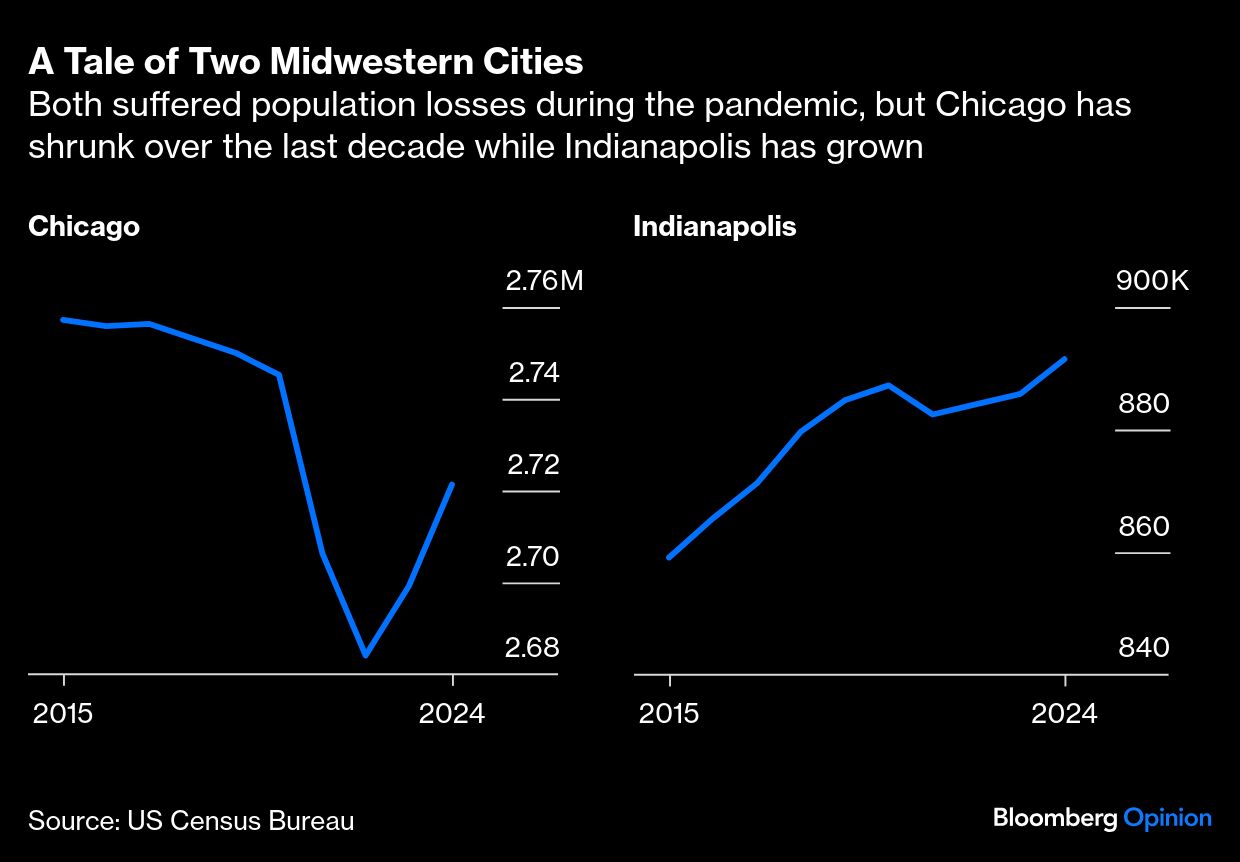
Almost 15 years ago, I had a finance job in Austin which I did from my apartment in Manhattan. Although I was under constant pressure to move to Texas, I argued that because I worked in finance and media, leaving New York would hurt my career, and I’d have to be compensated for that loss.
In the end, I was able to continue working remotely. Today, however, it would be almost impossible for me to win that argument. Texas has a growing finance industry, and people have successful media careers from everywhere. Which raises a larger question: Is the Era of the Big City over?
I realize that the obituary for the big city has been written time and again over the last several years. First, the claim was that everyone who fled during the pandemic wouldn’t come back — and then they did. Then it was that the work-from-home trend would cause a crash in commercial real estate and tax revenues, leading to an urban doom loop — but so far people are coming back to work, and commercial real estate is holding on.
There’s no doubt that, if you can afford it, living in a big city is still pretty great. But big cities are more vulnerable than they appear. They survived downturns, the pandemic and the WFH revolution, but they may not survive their affordability crisis and technology that’s changing work.
Both the urbanist Richard Florida and the economist Ed Glaeser have argued that big cities such as San Francisco, Los Angeles, Boston, New York and Chicago are special because they attract creative and ambitious people. The result is a network effect that becomes a virtuous cycle: Inventive minds in one field attract like minds in other fields, and before long there is a critical mass of people who feed off each other’s creative energy. Whether they work with them or just know them socially, people in what Florida called the “creative class” tend to hear sooner about new technologies, opportunities and developments in their fields.
This all made cities extremely attractive to the educated and ambitious. And they reaped economic rewards. But though there were big wage gains to be had from being part of a city’s creative cluster, there were also fewer opportunities for less educated people. Not only did they have less well-paying jobs, they also had to compete for housing with better-paid professionals. Between the increased demand for city living and a limited stock, the cost of housing soared.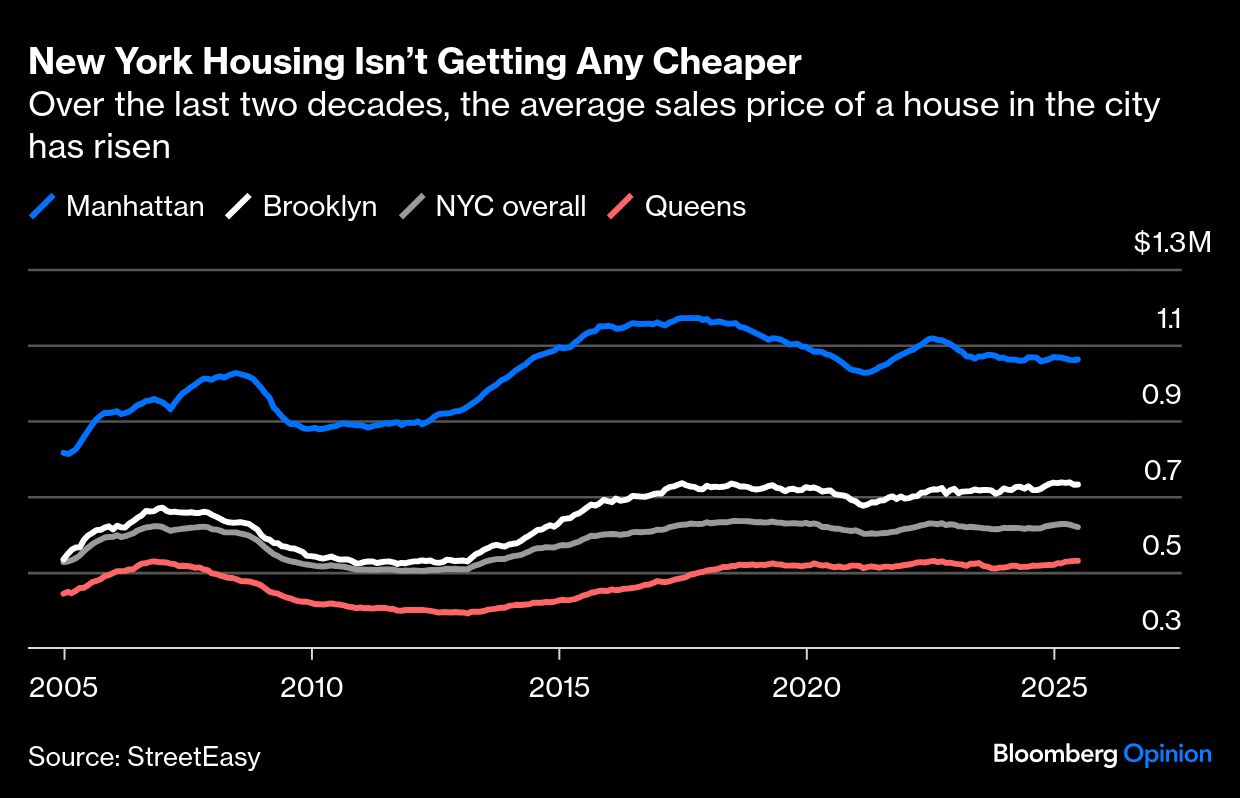
So while a city like New York thrived for a certain subset of the population in the 2000s and 2010s, a lot of middle- and lower-middle-class residents, many of them minorities, were priced out. School enrollment in New York has declined since 2000. The city’s economy did not appear to suffer from their departure, but that may be because many still work in the city, enduring long commutes.