Microsoft in Talks to Ax Energy Pledge Amid Data Center Boom
Microsoft Corp. may shelve one of the industry’s most ambitious clean-energy targets as it tries to remove hurdles that could hold it back in the race to power data centers, according to people with knowledge of the matter.
The company is weighing whether to delay — or even abandon altogether — its 2030 target of matching 100% of its hourly electricity use with renewable energy purchases, according to the people, who requested anonymity to discuss a private matter.
The costly and energy-intensive build-out of data centers is affecting views on the feasibility of climate commitments made before the AI era, the people said. Talks inside Microsoft are ongoing and no final decision has been made, they also said.
A spokesperson for Microsoft said the company continues to look for opportunities to maintain an annual matching goal, without commenting on the much tougher hourly commitment.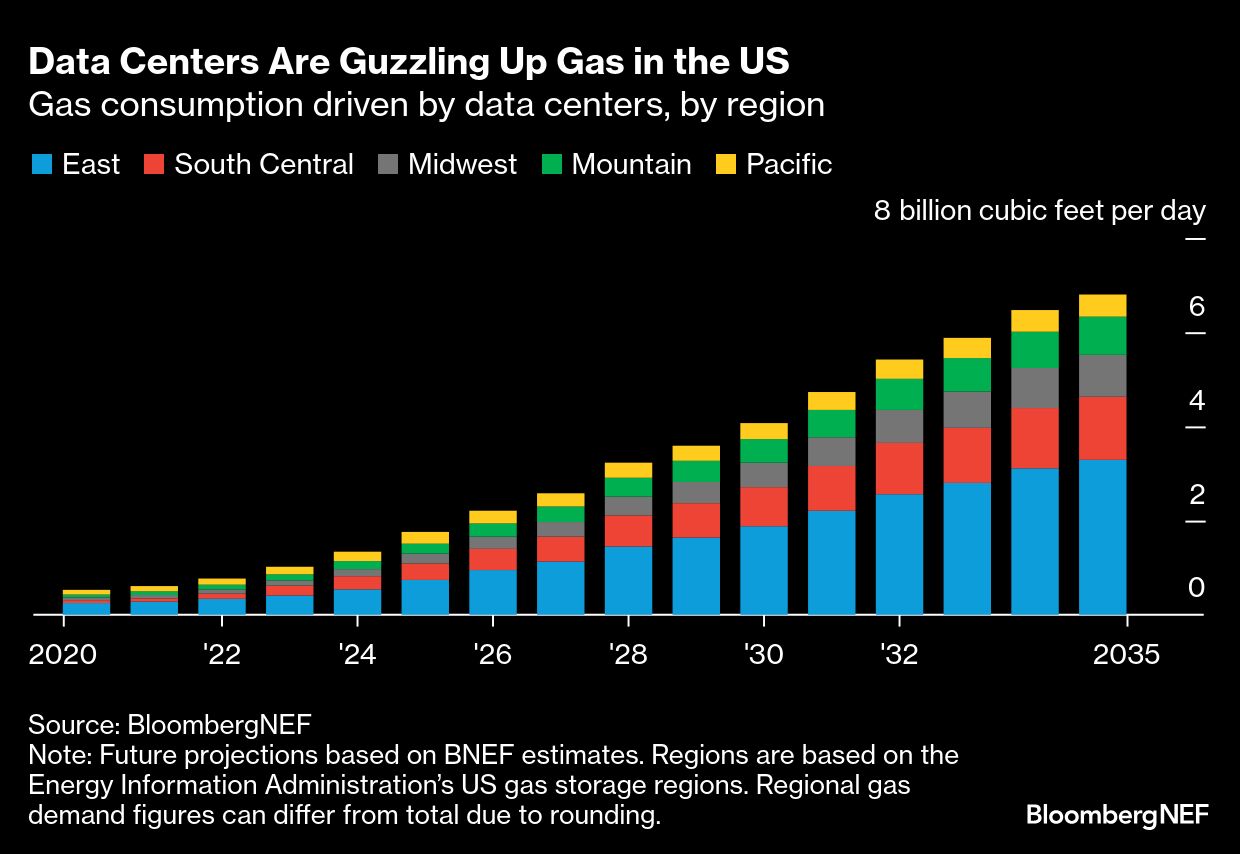
The amount of power consumed by US data centers is likely to more than double to 106 gigawatts in the decade through 2035, with natural gas set to play a key role, according to BloombergNEF. On a global basis, renewables will meet nearly 50% of the growth in data center electricity demand, though in the US gas will dominate, according to the International Energy Agency.
Microsoft says it’s been adding about a gigawatt of data center capacity — roughly enough to power 750,000 homes — every three months. As of February, Microsoft had contracted over 40 gigawatts of renewable power. The company recently signed agreements with We Energies to bring an additional 1.2 gigawatts of carbon-free energy projects in Wisconsin onto the grid starting in late 2028, the spokesperson said. In that state, Microsoft is developing one of its largest AI data centers.
This year, the company has also held talks with Chevron Corp. to fund a major natural gas plant in the West Texas Permian Basin.
Microsoft faces financial constraints, too. Through the end of December, the company expects to spend $190 billion, largely for data centers. Mounting AI costs have meant tighter budgets in many divisions, including those devoted to reducing its carbon footprint, people familiar with the matter said. That’s led to more scrutiny of financial commitments to clean energy projects, they said.
“AI is an existential fight for survival for Big Tech, and so all and any funds at their disposal are being diverted to building as much AI possible,” Kelly of the High Tide Foundation said.
Within Microsoft, living up to the 100/100/0 target was always seen as a stretch, according to people familiar with the program. Google, which has described its own equivalent plan as a “moonshot” goal, said in its latest sustainability report that it managed to use carbon free energy about two-thirds of the time.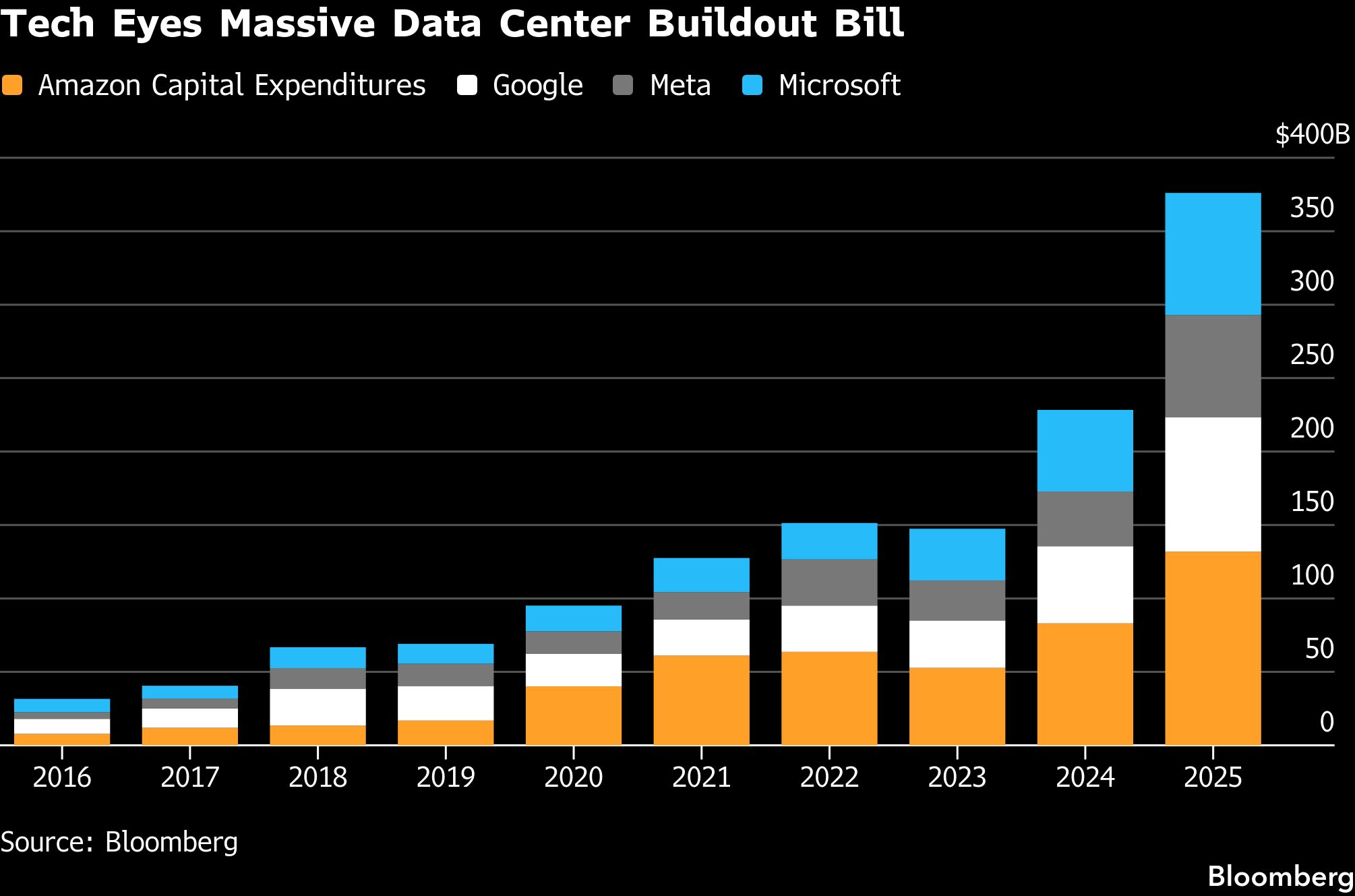
Microsoft is already scaling back its carbon-dioxide removal program, Bloomberg News reported last month. The development has sent tremors through a market in which the company was by far the biggest investor. Together, CDR and 100/100/0 are both key pillars of Microsoft’s target of achieving a negative carbon footprint by the end of this decade.
“What’s needed now is a broader reckoning — across hyperscalers, climate target frameworks, and the industry as a whole — on what credible climate commitments look like in an era of behind-the-meter gas and exponential AI demand,” said Boris Gamazaychikov, the former head of AI sustainability at Salesforce Inc.
“The systems we have weren’t built for this moment,” he said. “And pretending they still work serves no one.”
A message from Advisor Perspectives and VettaFi: Discover something new! Click here to register for our upcoming webcasts.
Bloomberg News provided this article. For more articles like this please visit bloomberg.com.