Last week's economic data painted a picture of broad cooling across several sectors, with consumers pulling back significantly on spending. Retail sales saw their largest decline in over two years in May, as consumers scaled back purchases following earlier front-loading. Adding to this softer trend, U.S. factory output unexpectedly fell to its lowest level since January, and housing indicators hit multiyear lows. Meanwhile, the S&P 500 navigated a week marked by geopolitical tensions and the Federal Reserve maintaining its cautious stance by holding interest rates steady for a fourth consecutive meeting.
Retail Sales
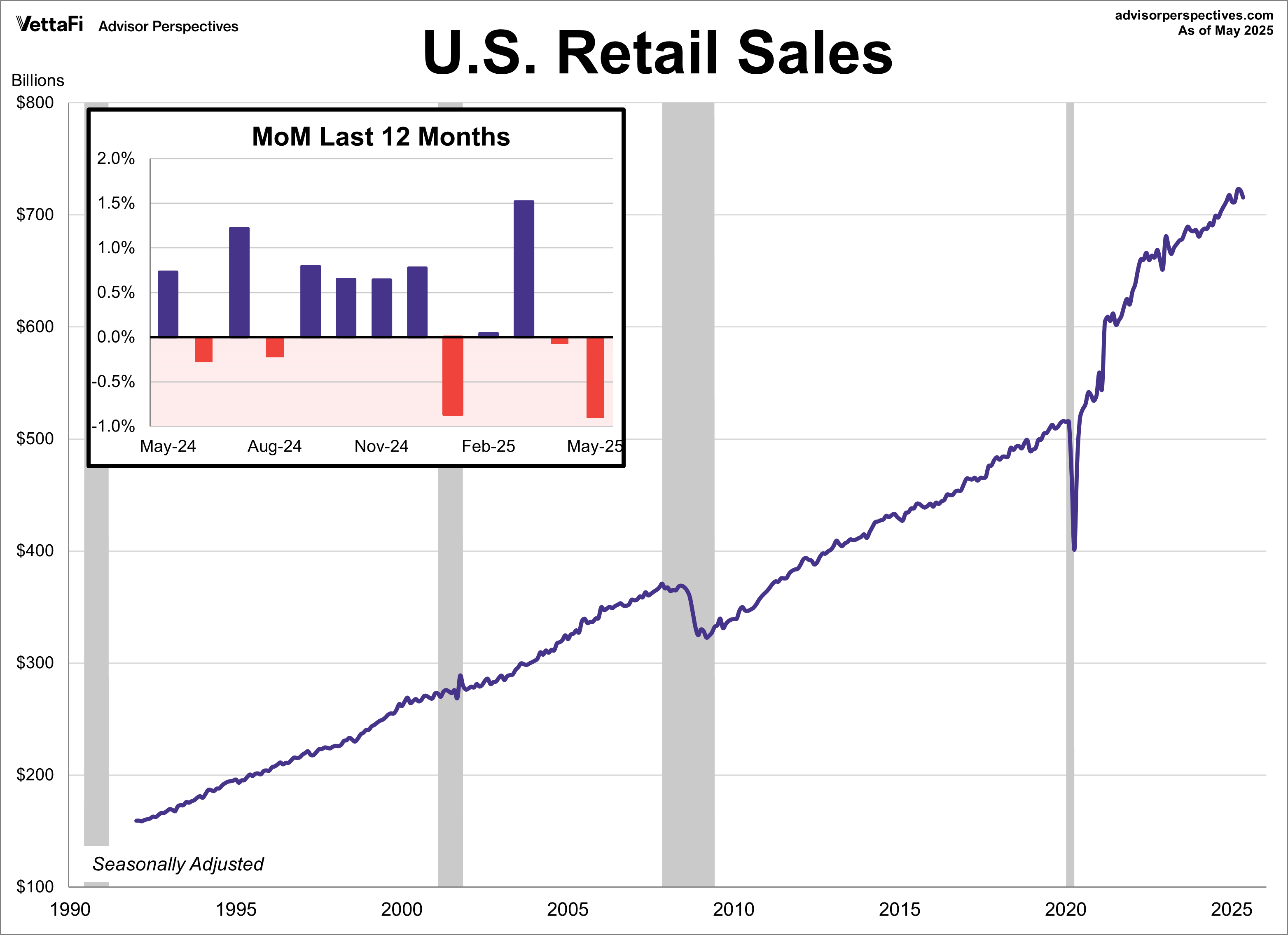
American consumers significantly reduced their spending last month as many consumers made purchases in earlier months to avoid anticipated tariff increases. Retail sales sank 0.9% in May after inching 0.1% lower in April. This was more than the expected 0.6% decline. The latest reading marked the second straight monthly decline and the largest in over two years.
The decline in sales last month was driven by decreased sales at motor vehicle dealers (-3.5%), building materials (-2.7%), gas stations (-2.0%), restaurants and bars (-0.9%), grocery stores (-0.7%), and electronic and appliance store (-0.6%). On the other hand, there was an increase in spending at furniture stores (1.2%), sporting goods, hobby, music, and bookstores (1.3%), online retailers (0.9%), and clothing stores (0.8%).
Core sales, which exclude autos, unexpectedly fell in May, dropping 0.3% last month. This was down from April’s 0.0% reading and lower than the expected 0.2% growth. Meanwhile control purchases—a crucial GDP input and an even more “core” view of retail sales — surprised to the upside, rising 0.4% from the previous month. This was higher than the expected 0.3% growth
Retail sales could impact the SPDR S&P Retail ETF (XRT), VanEck Retail ETF (RTH), Amplify Online Retail ETF (IBUY), and ProShares Online Retail ETF (ONLN).

Industrial Production
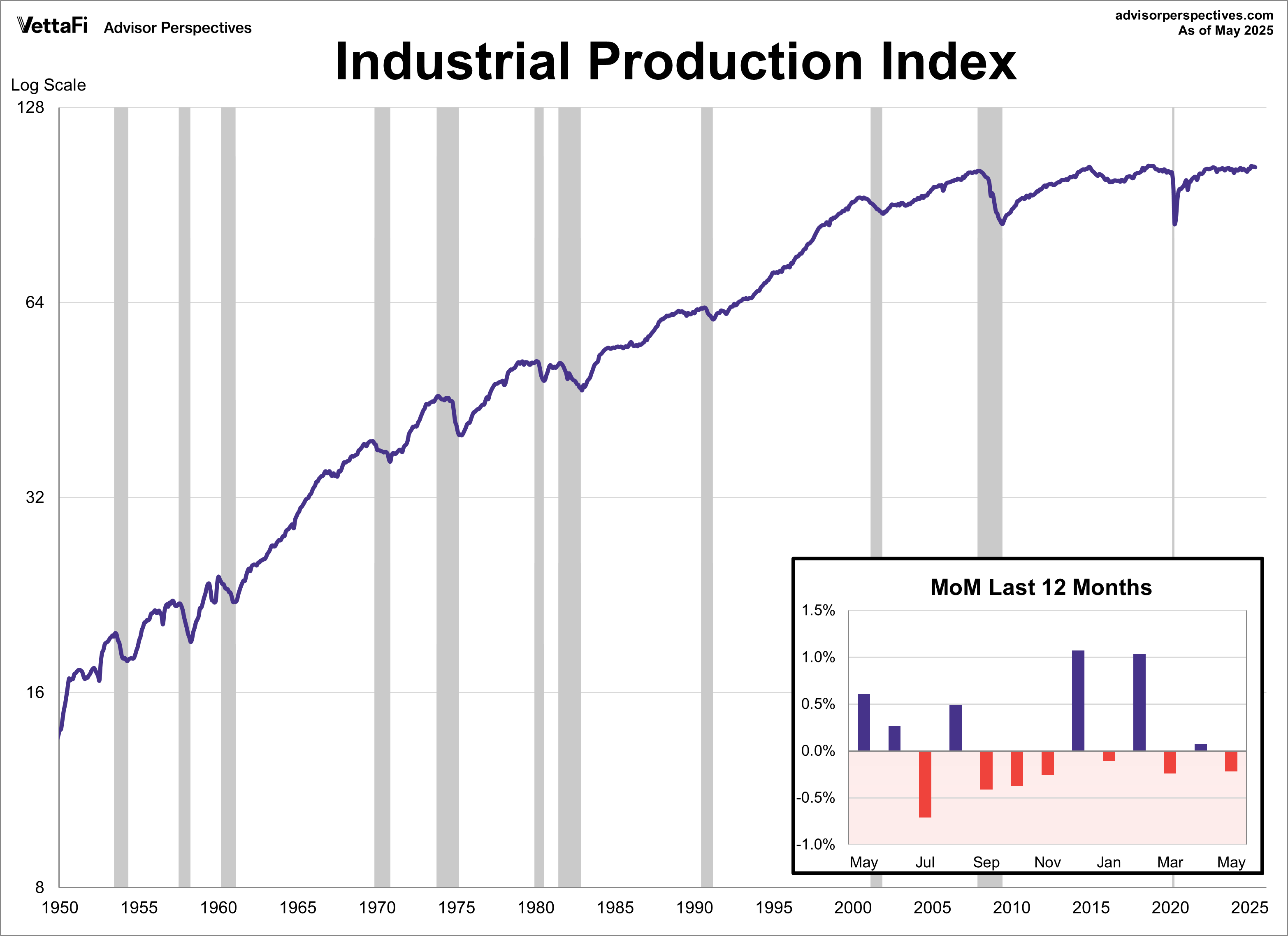
U.S. factory output unexpectedly fell in May, dropping to its lowest level since January. Industrial production was down 0.2% last month, lower than the forecasted 0.0% month-over-month reading. A closer look revealed that the decline can be attributed to the utilities sector, which was down 2.9% from the previous month. Meanwhile, manufacturing output and the mining sector were each up 0.1% from April. Compared to one year ago, industrial production was up 0.6%, marking the sixth consecutive month of annual growth.
Capacity utilization, which measures the amount of slack in the economy by comparing current production output to its maximum potential output, was also down last month. The capacity utilization index fell 0.3% from the previous month to 77.4%. This was the lowest reading since January and came in lower than the 77.7% forecast.
Industrial production could impact the Industrial Select Sector SPDR Fund (XLI).
NAHB Housing Market Index
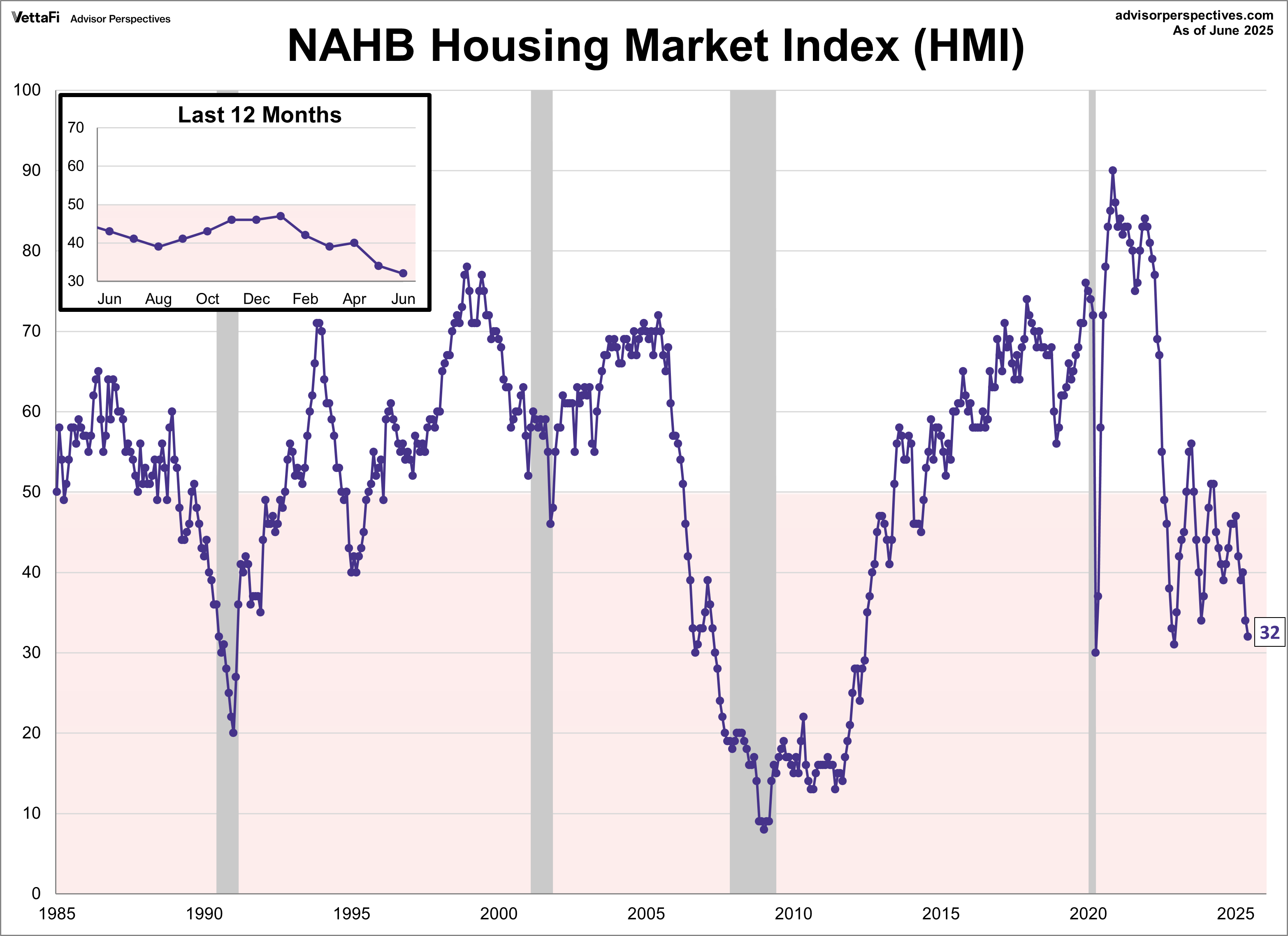
Builder confidence fell for a second straight month as elevated mortgage rates and economic uncertainty continue to weigh on sentiment. The NAHB Housing Market Index declined two points to 32 this month, its lowest level since December 2022. This marks the fourteenth consecutive month of negative builder sentiment, the longest streak since the housing crisis from the mid-2000s. The latest reading was below the forecast of 36. All three components that make up the index declined in June. Current sales dropped to their lowest level since 2012 while expected sales and prospective traffic hit 19-month lows.
Builder confidence could impact home builders and residential real-estate ETFs such as Invesco Dynamic Building & Construction ETF (PKB), iShares U.S. Home Construction ETF (ITB), SPDR S&P Homebuilders ETF (XHB), and iShares Residential and Multisector Real Estate ETF (REZ).
Market Reactions
The S&P 500 started the week off strong but then stumbled as it posted three consecutive daily losses. The index finished down 0.2% from the previous Friday, its second straight weekly loss. As a result, the SPDR S&P 500 ETF Trust (SPY) fell 0.5% last week. Meanwhile, the S&P Equal Weight Index was up 0.2% from the previous week and the Invesco S&P 500 Equal Weight ETF (RSP) rose 0.2%.
The 10-year Treasury yield finished the week at 4.38%, while the two-year note finished at 3.90%.
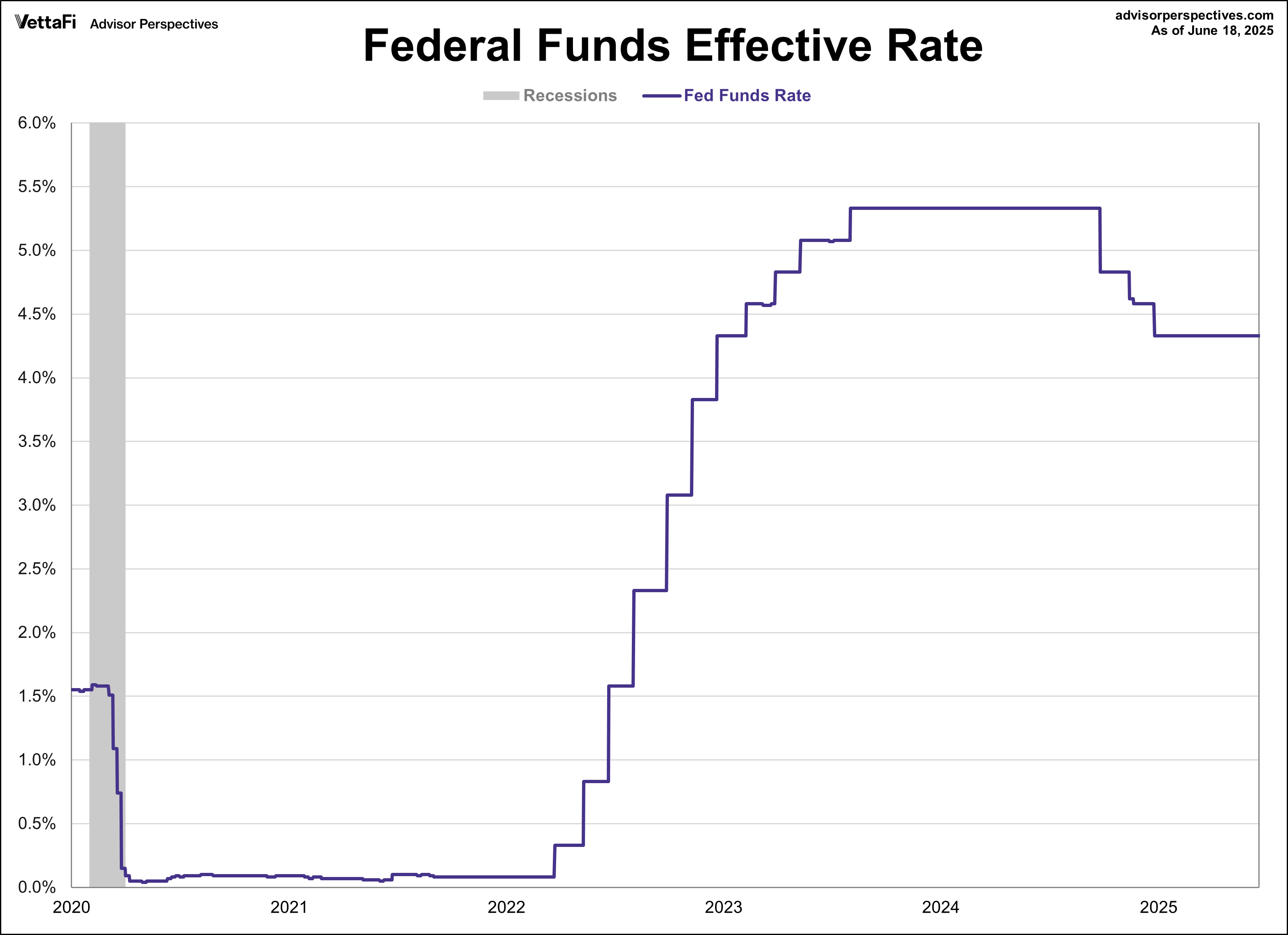
In their meeting last week, the Fed held rates steady at 4.25%-4.50% for a fourth straight meeting. The CME FedWatch Tool currently shows an 84% likelihood that the Fed will hold rates steady at their meeting next month. Markets are pricing in two 25 basis point cuts for later in the year coming at the September and December meetings. Additionally, three 25 basis point cuts are projected in 2026.
Economic Data in the Week Ahead
There is no shortage of economic data for the upcoming week. The Bureau of Economic Analysis will release its final Q1 GDP estimate on Thursday, providing a revised look at economic growth at the beginning of the year. On Friday, the Department of Commerce will release the PCE Price Index, the Fed's preferred inflation measure. Additionally, the Conference Board's Consumer Confidence Index and the University of Michigan's Consumer Sentiment Index will provide insights into consumer attitudes. The week will also feature more housing data, including reports on May’s existing, new and pending home sales, as well as home price indexes from the FHFA and S&P Case-Shiller. Other releases include new durable goods orders and regional manufacturing surveys.
For more news, information, and strategy, visit the Innovative ETFs Channel.
Gain clarity on H1 & strategize for the remainder of the year. Register now for the Midyear Market Outlook Symposium on June 26 at 11 am ET.
Read more commentaries by VettaFi