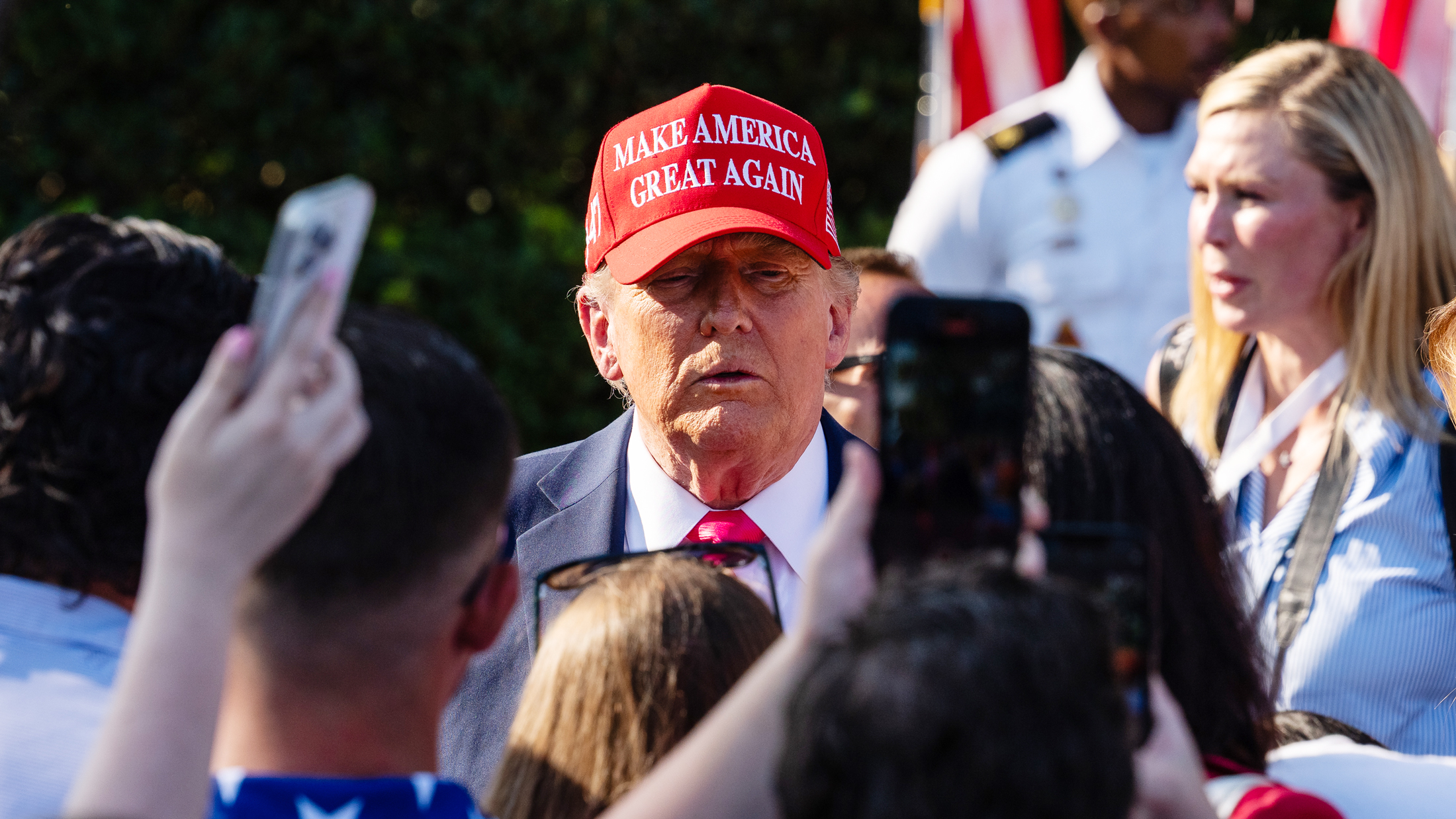
Tucked into President Donald Trump’s trade deals formalizing higher tariffs on goods from Asia this week are provisions for a global economic frontier the US wants to stay free of protectionism: digital commerce.
President Donald Trump plans to announce trade deals and deliver tariff warnings on Monday, as countries negotiated through the weekend to avoid the highest punitive measures on their exports to the US before a Wednesday deadline.
Halfway through President Donald Trump’s 90-day freeze on his so-called reciprocal tariffs, a persistent gripe from businesses, consumers and governments facing them is severe uncertainty.
A gauge of supply-chain pressure in the U.S. economy fell to the lowest level since December 2020, as activity such as trucking cools from elevated levels with few signs yet of a worrying collapse.
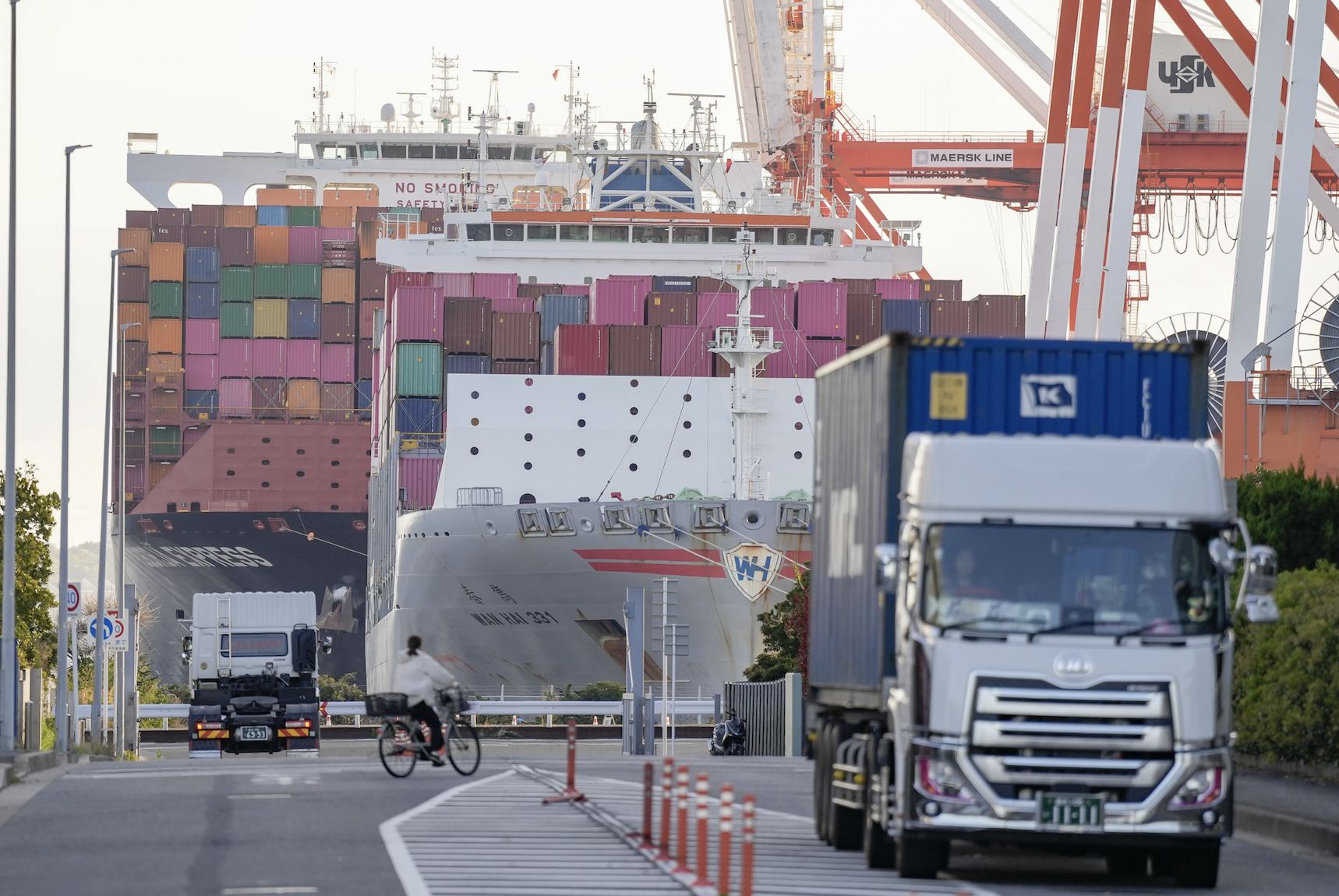
Some supply strains in the US are easing, two years after a jump in demand started emptying shelves, snarling shipping and sowing the seeds of soaring inflation.
American consumers are showing little sign of returning yet to their normal balance of spending on services over goods, with a heavy reliance on imported products, according to two indicators based on shipping data.
Last year the global economy came juddering to a halt. This year it got moving again, only to become stuck in one of history’s biggest traffic jams.
A year ago, as the pandemic ravaged country after country and economies shuddered, consumers were the ones panic-buying. Today, on the rebound, it’s companies furiously trying to stock up.