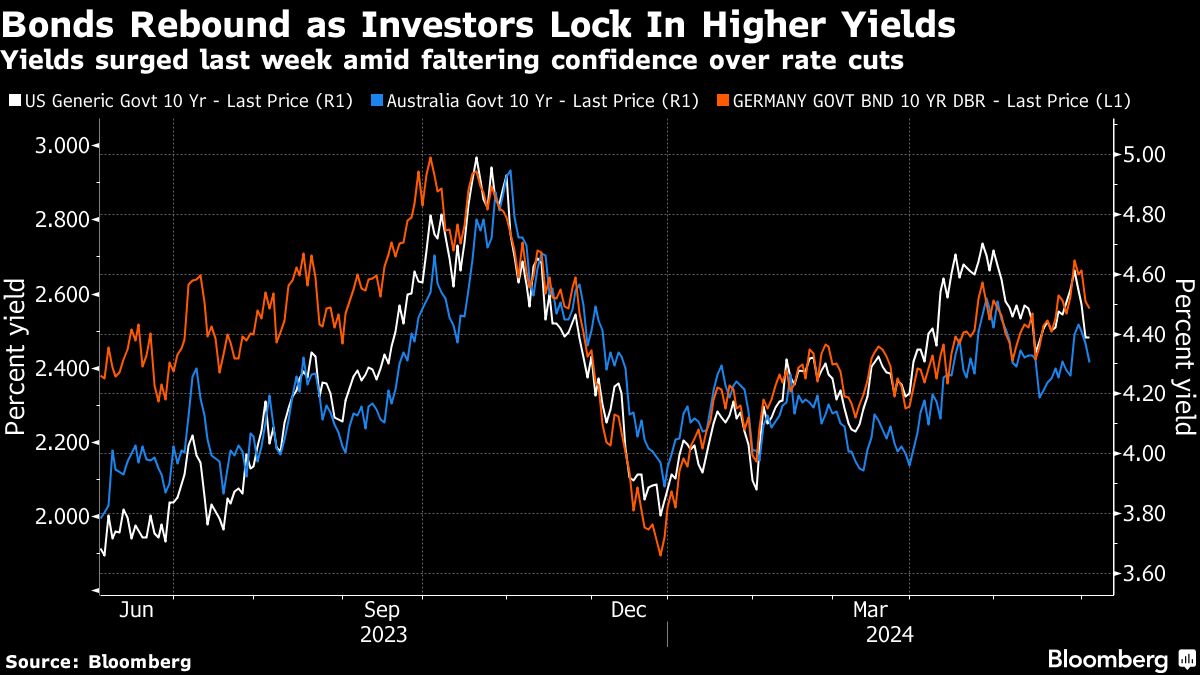
Investors shed government bonds around the world, propelling borrowing costs to multi-year highs from Japan to the US amid intensifying fears that war-driven inflation will force central banks to pursue higher interest rates.
Emerging-market currencies and stocks slumped as US and Israeli strikes on Iran are triggering a jump in energy prices and bring a rally in riskier assets to a screeching halt.
Treasuries rose on Tuesday as investors bet on the Federal Reserve cutting interest rates at least twice this year and jitters over global technology shares boosted demand for safer assets.
Emerging market assets are heading for their worst week in more than two months, after increasingly volatile markets from commodities to technology stocks roiled investor sentiment.
Fund managers say returns on emerging-market assets are set to power ahead of their developed peers, having moved in lockstep since US President Donald Trump unleashed his tariff blitz in April.
Emerging-market stocks rose for a second day, with the benchmark gauge heading for a three-week high amid optimism over corporate earnings.
The dollar fell and US government bonds rallied after Donald Trump picked Scott Bessent to run the Treasury, a Wall Street veteran who investors expect will take the sting out of the administration’s more aggressive trade and economic policy proposals.
A global bond rally continued, sparked by signs the world’s biggest economy is cooling, ahead of the crucial next read on the state of the US labor market.
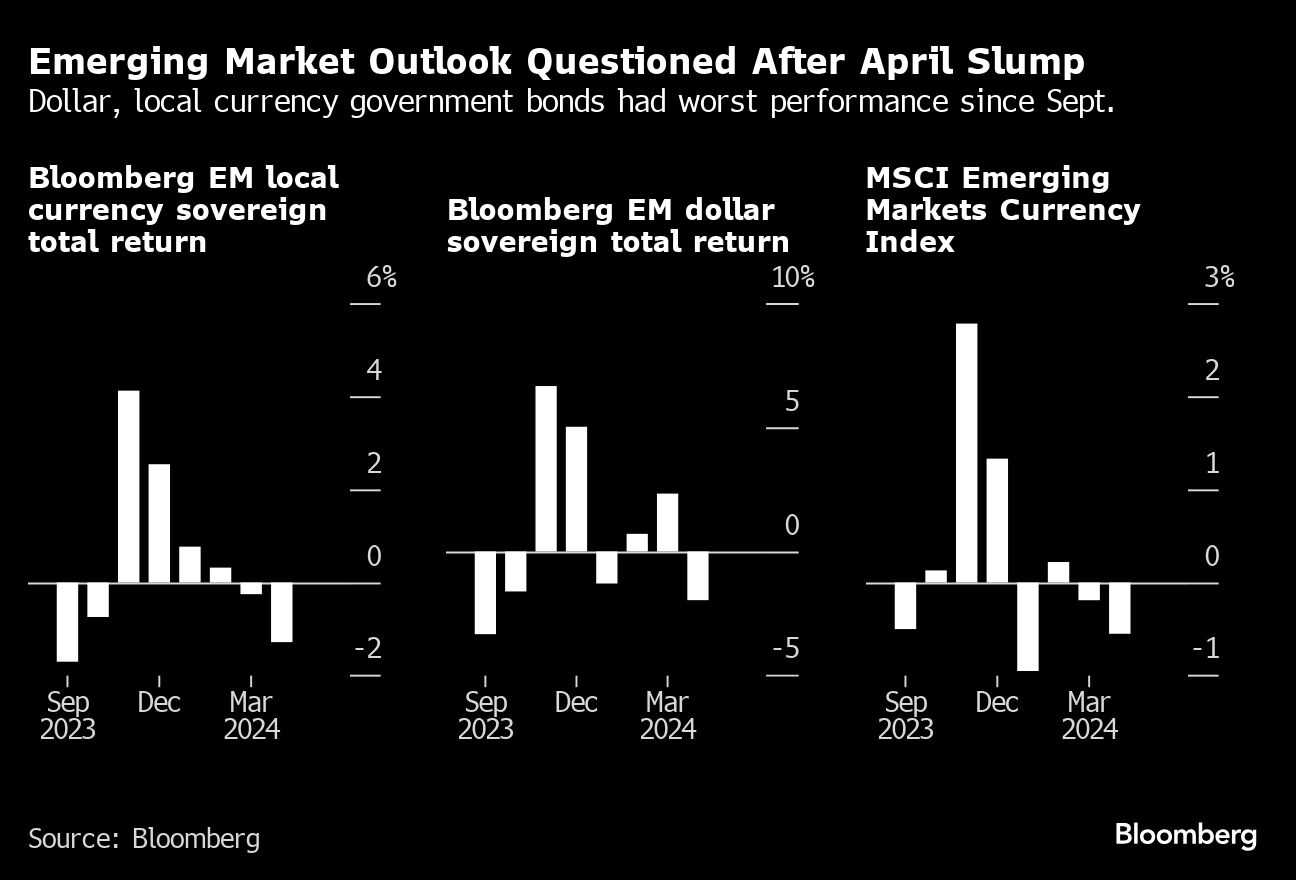
An April rout in emerging-market bonds and currencies has some former bulls turning negative on the outlook for the asset class.
Morgan Stanley has pushed back against Treasury bears, saying investors should buy US sovereign debt as markets may be too optimistic over the prospect of a soft-landing for the economy.
The old playbook of selling emerging-market bonds when Treasury yields spike is being upended by the positive dynamics favoring developing-nation debt.
Emerging-market bulls are still upbeat on the asset class, even after China’s highly-touted reopening rally fizzled and proved Wall Street’s early 2023 optimism to be misplaced.
Treasury bills maturing in the first half of June rallied as trading resumed following the Memorial Day holiday after a deal to lift the debt ceiling eased concern over the prospect of a calamitous US default.
Treasuries fell across the curve and the dollar strengthened against most of its major peers after Federal Reserve Governor Christoper Waller pushed back on bets the US central bank was nearing the end of its hiking cycle, while traders were also on alert for a scheduled appearance by his colleague Lael Brainard.
The bond market’s age-old measure of growth is flashing an ominous warning as the world’s central banks move closer to boosting interest rates from near record lows.
Australia’s smallest pension funds are being forced into survival mode as increased regulatory scrutiny on fees and investment performance in the country’s A$3.1 trillion ($2.3 trillion) superannuation industry makes mergers all the more likely.
Women face a disproportionate risk of losing their jobs as a result of the pandemic.