Everyone is looking for the next big AI bet. They’re searching for energy-rich places that can run data centers cheaply, for bottlenecks in the semiconductor supply chain that will earn massive profits, or for companies that might own the next breakout algorithm.
Sometime in the coming months, the impact of US tariffs will begin to be felt in India — and it will not be pretty.
If Modi now wants to reach out a hand to the leaders of Eurasia, one might assume it is entirely because India has been insulted and rejected by the US — laden with higher tariffs than almost all its peers, and continually needled by President Donald Trump’s advisers and officials.
India’s exporters are bracing for President Donald Trump’s tariffs. Some are confident that whatever is announced on Wednesday will not hurt them; others are genuinely uncertain how to manage if they can’t export to the US.
For four years, Indians sensed that the US was terrified of the word “trade.” Joint statements after summits buried trade such issues somewhere near the end; officials avoided the question at press conferences, preferring to focus instead on relatively esoteric concerns such as cooperation in space.
India’s institutional strength used to be reflected in the reliability of its national accounts.
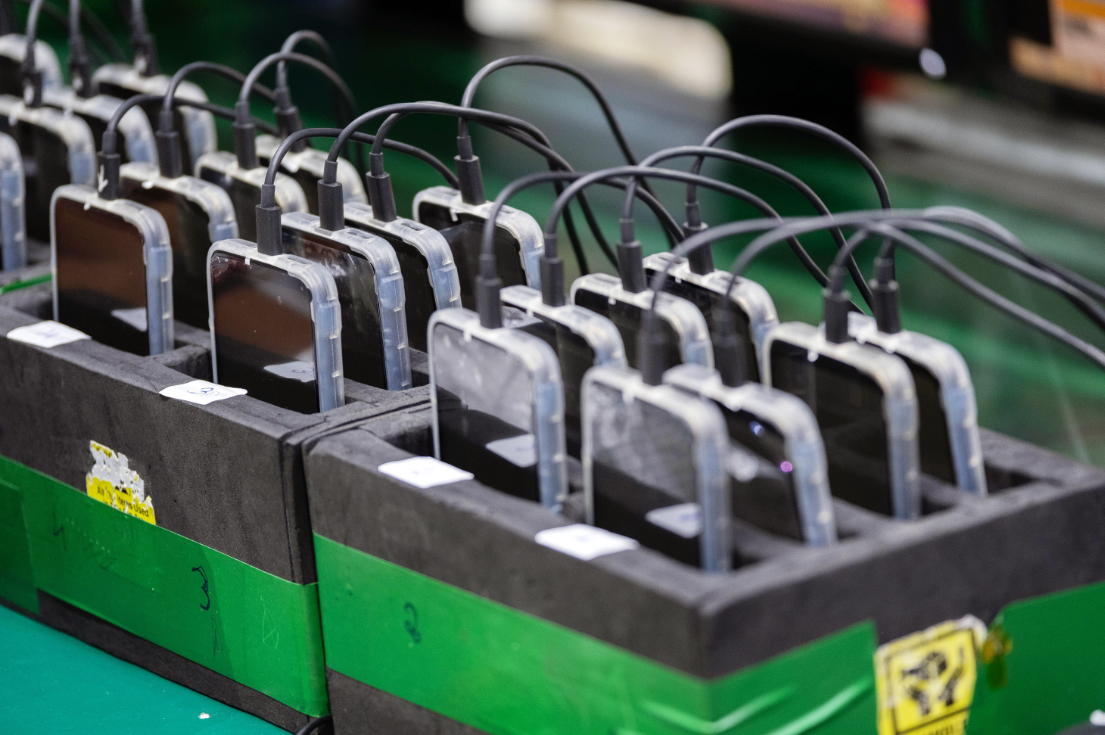
Ever since Prime Minister Narendra Modi announced his “Make in India” policies shortly after being elected prime minister in 2014, New Delhi has chased the dream of a prosperous manufacturing sector. There have been some successes — when it comes to making mobile phones, for example.