On this week’s edition of Market Week in Review, Pierre Dongo-Soria, principal investment strategist for EMEA, unpacked what the latest economic data from the United States could mean for interest rate cuts.
The U.S. economy is slowing down but don't expect a hard landing.
It’s often said there are only two certainties in life: death and taxes. However, the tax landscape may become somewhat murkier, as the recently passed U.S. House budget bill may potentially lead to some non-U.S. investors paying more taxes than previously anticipated.
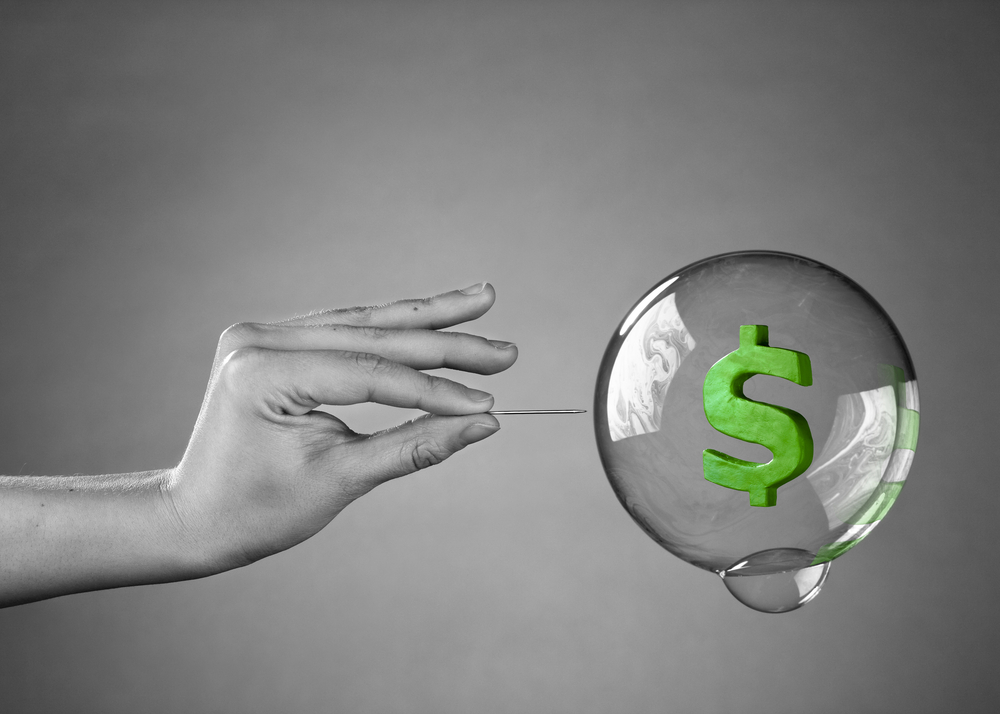
What exactly is a market bubble, and how can investors recognize one?
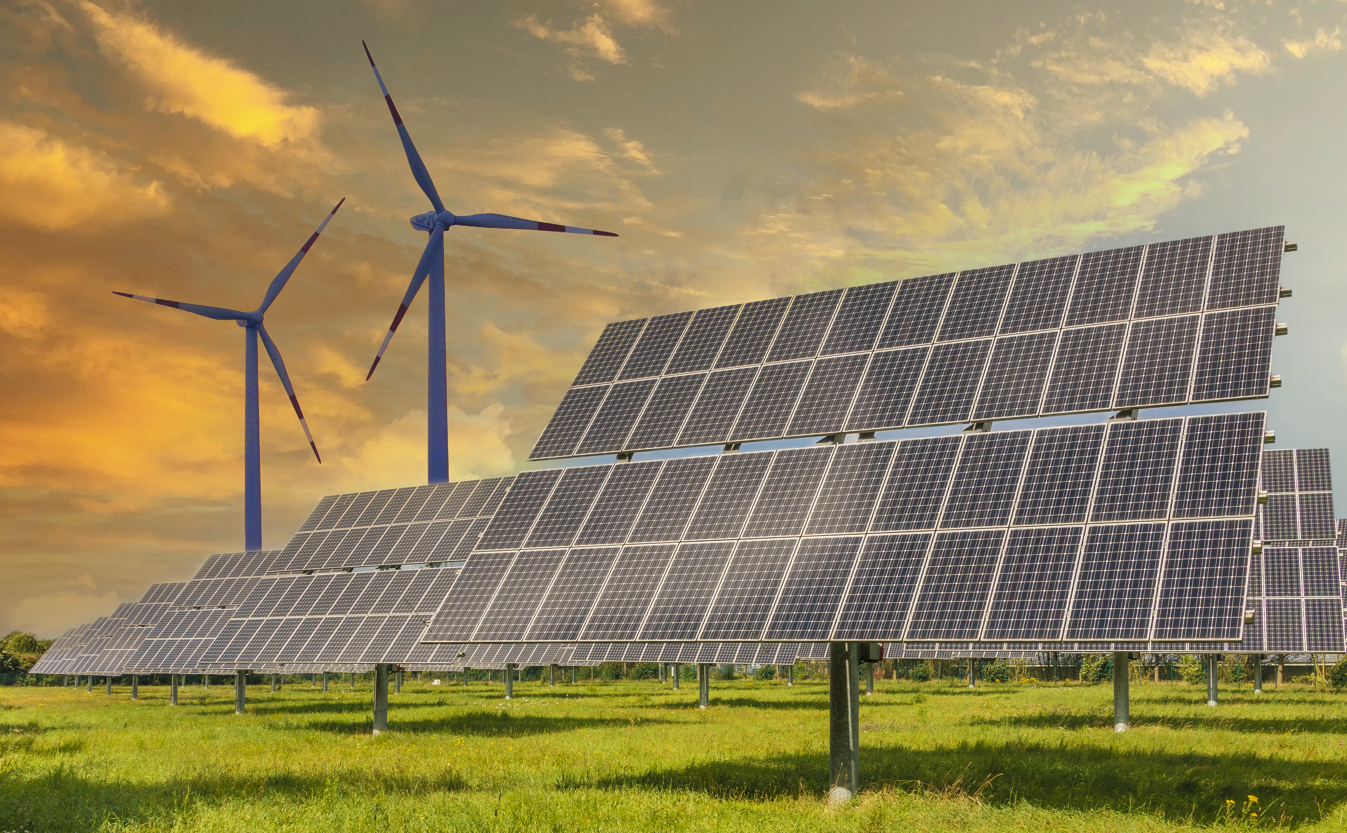
The global economy is still overwhelmingly powered by fossil fuels, with more than 80% of primary energy sourced from coal, oil, and gas, as of 2021.
There is broad agreement that economic damages will increase with warming, but there is substantial disagreement on the magnitude of these damages.
Fossil fuels, particularly oil, are difficult to replace due to their availability, affordability and energy density. Low-carbon alternatives, like solar energy, need large amounts of space to produce comparable amounts of energy to oil.
A transition away from fossil fuels is likely required to avert a significant warming of the planet. Rising temperatures could lead to crop failures, storm intensification, ocean acidification and deoxygenation, and infrastructure damage, among several other risks.
A transition away from fossil fuels is likely required to avert a significant warming of the planet. The primary risk to markets is the energy transition itself, which would require substantial capital expenditures.