In what is shaping up to be another blockbuster year, Asia’s markets are outpacing peers in the US and Europe, drawing global investors as extreme swings rattle assets from tech stocks to metals.
A week-long rout in Bitcoin deepened amid the recent broader retreat from risky assets in the wake of US President Donald Trump’s tariff threats and crypto sector turmoil, marking a dramatic reality check for one of the most popular Trump trades.
Asian assets swung violently over the past three months, rocked by a succession of epochal events that culminated in a giant stimulus boost for China and propelled the region’s equities to world beaters.
On days like Monday’s dramatic selloff, which capped a three-week loss of $6.4 trillion in global wealth, personal finance experts usually have the same advice for wary retail investors:
Australia’s QIC Ltd. expects the Federal Reserve to keep interest rates elevated through the year — or even raise them further — as the US economy powers ahead, a contrarian call that’s increasingly gaining traction.
Global money managers, desperate to avoid exposure to sliding Chinese markets, have fresh investing tools at their disposal as pessimism toward the world’s second-largest economy snowballs.
This year’s turmoil in China has sparked a stock meltdown, blown up structured financial products, led to public disgruntlement, and now President Xi Jinping has put a new market regulator in control.
BlackRock Inc. strategists are ditching the 60/40 portfolio in favor of public and private investments as well as tactical holdings of bonds to navigate higher interest rates.
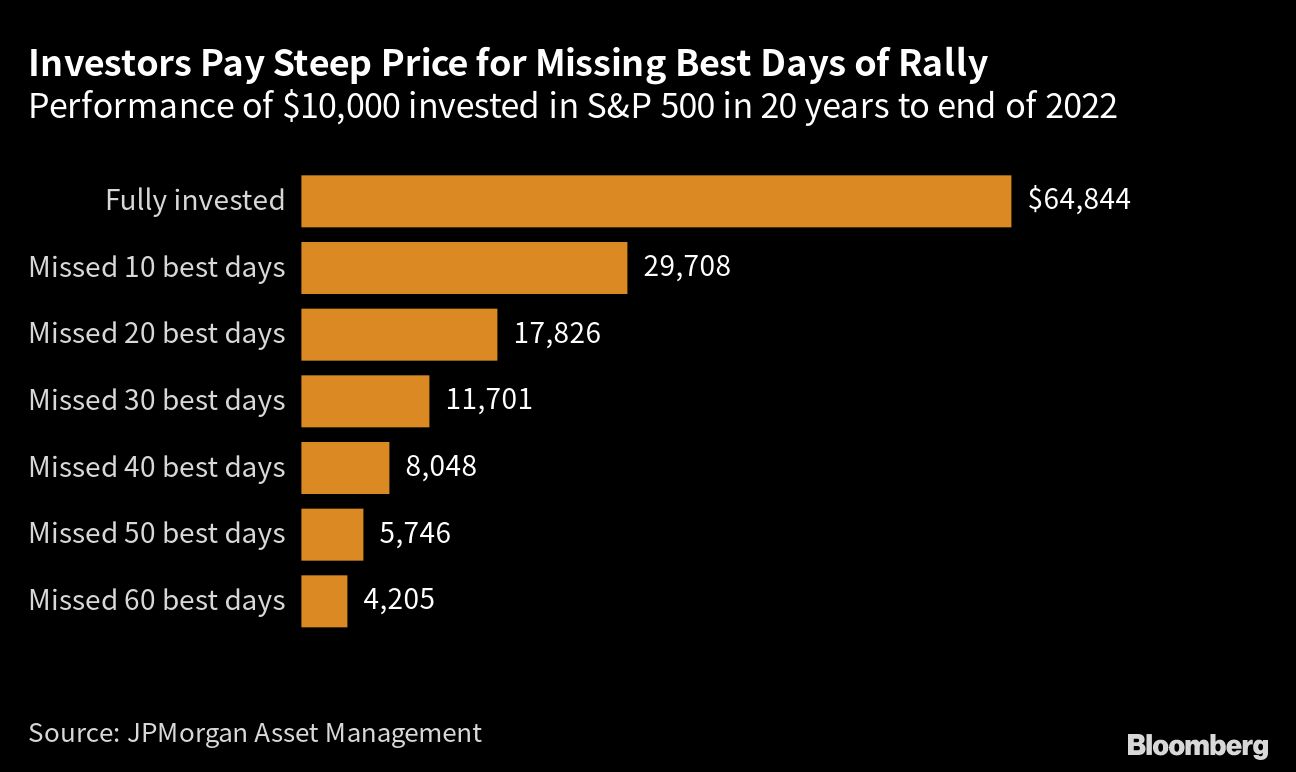
Some of the world’s biggest investors are looking beyond interest-rate hikes, bank failures and the threat of recession to one of the greatest fears of all money managers — missing out on the next big rally.
A shift toward private markets is cushioning many of the world’s largest investors from the wreckage wrought by runaway inflation and spiraling interest rates.