Last week’s sharp moves in the US government bond market have people wondering about the implications not only for the outlook for other financial assets, including stocks but also for the economy and policy.
Is it possible for economic news to be a little too good? If many economic worries seem to be dwindling, is that reason to be scared? After periods of success, are economies due for a comeuppance — perhaps even for reasons stemming from their earlier achievements?
What is the secret to digital marketing that drives website traffic and leads?
Admittedly, I’ve glossed over the other catalysts in Ackman’s thesis — including the aforementioned supply-demand issues and the fiscal and governance challenges that Fitch underscored in its recent downgrade — but the inflation call seems to be the linchpin to his argument, at least going by the math in the post.
All told it’s hard to get worked up about the near-term implications of the latest downgrade. But it’s telling that one of the most popular defenses of America’s creditworthiness has lost its rhetorical potency.
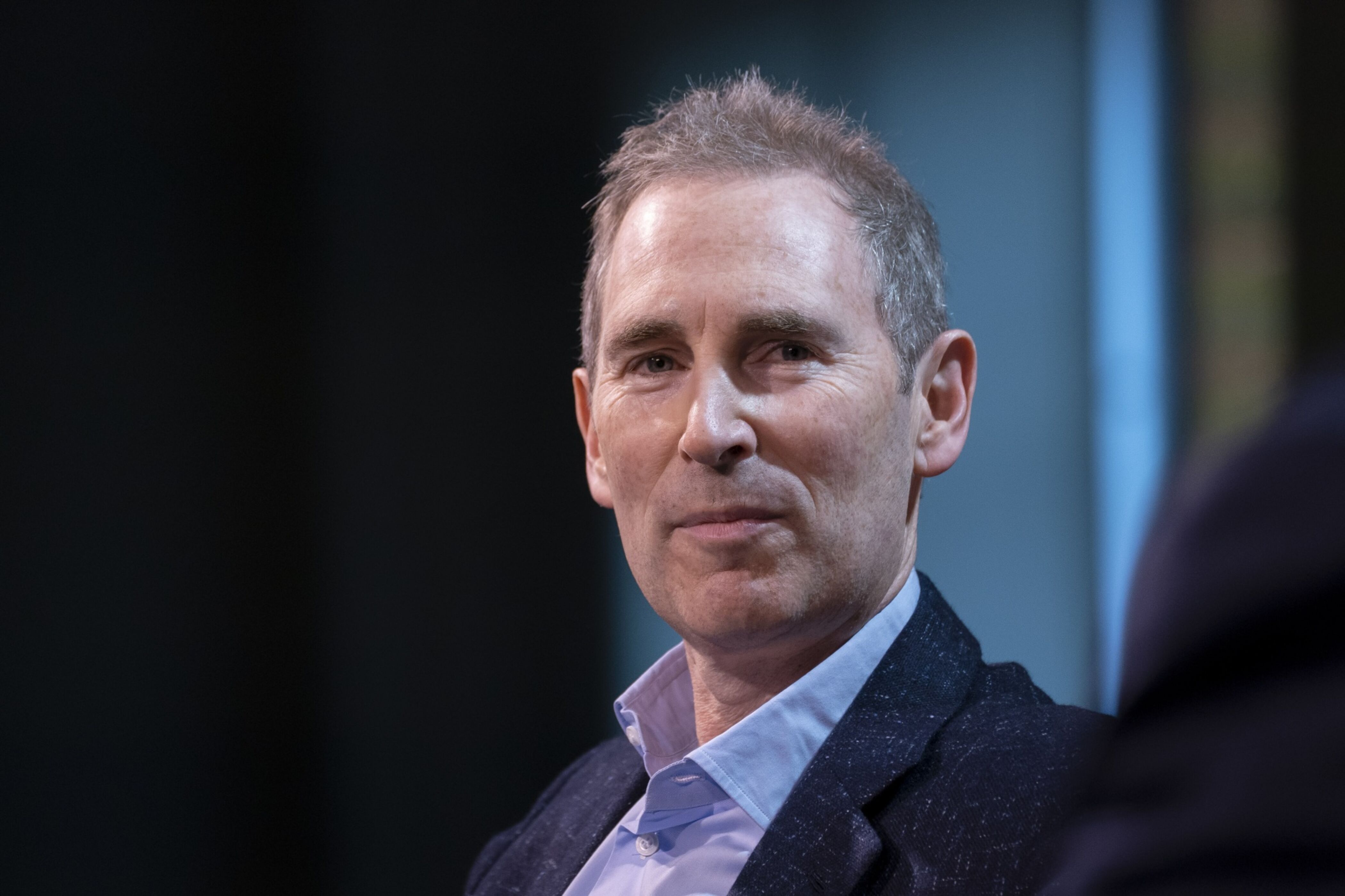
Amazon.com Inc. Chief Executive Officer Andy Jassy pulled off a financial double play this earnings season: generating strong revenue growth from the core e-commerce business while cutting the pace of spending. The shares rose about 9% as the markets opened on Friday.
Analysts don’t quite know what to make of Coinbase Global Inc.’s valuation.
The mood is rapidly souring in the world’s bond market, raising the stakes for Friday’s much-anticipated US monthly jobs data.
Results from Apple Inc. and Amazon.com Inc. after Thursday’s close represent the next big hurdle for the market’s tech-fueled rally, and it may be the hardest to clear.
No amount of power and prosperity can stop the irritation of getting judged for your borrowing habits, as the world’s biggest economy just experienced.
Some of the most widely read financial news stories involve projections by Wall Street strategists such as Morgan Stanley’s Michael Wilson, who recently conceded he’d misjudged the direction of US stocks this year.
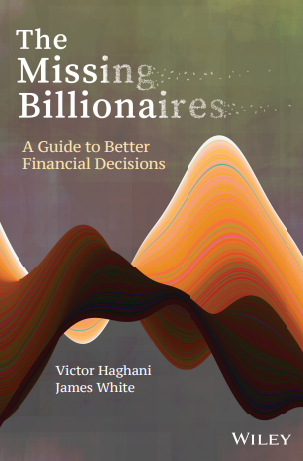
Today, not one Vanderbilt descendant can trace his or her wealth to the vast fortune Cornelius bequeathed.
The story of US housing for hopeful buyers in 2023 has been one of frustration. A lack of supply has stabilized a market where affordability remains challenging.
The only constant in life is change — and Wall Street strategists trying in vain to divine the stock market’s future. After collectively missing the lion’s share of the year-to-date rally in the S&P 500 Index, the Street’s macro soothsayers appear to be getting modestly more bullish again.
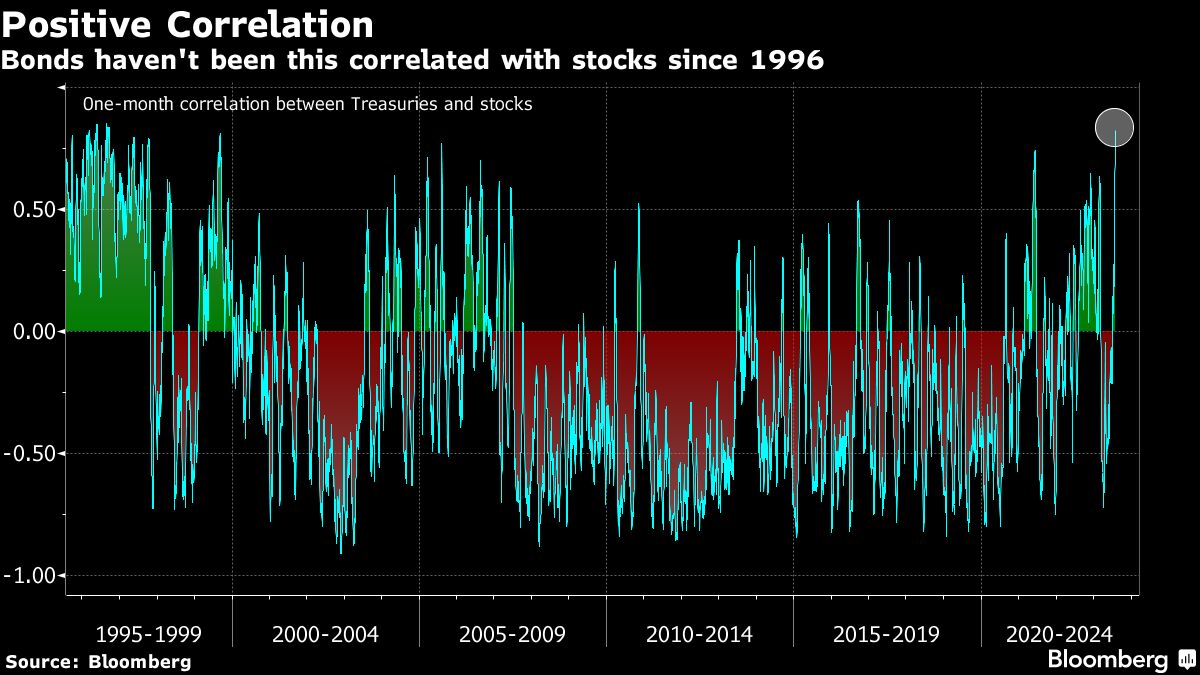
Historically, Treasuries tend to rally when stocks are tumbling, meaning they are negatively correlated. The idea is a cornerstone of the popular 60/40 strategy that uses an allocation to bonds as well as stocks to reduce the volatility of the overall portfolio.
Exchange-traded fund issuers are once again venturing into crypto territory that regulators had recently steered them away from.
Of all the signs out there that the US will manage to dodge a recession once deemed inevitable, perhaps none is more convincing than this: CEOs across the country are opting to reinvest more of their profits in expansion projects rather than handing the money back to shareholders.
Treasury Secretary Janet Yellen on Wednesday slammed the move by Fitch Ratings to strip the US of its top-tier credit rating, calling it “flawed” and “entirely unwarranted.”
The US Treasury boosted the size of its quarterly bond sales for the first time in 2 1/2 years to help finance a surge in budget deficits so alarming it prompted Fitch Ratings to cut the government’s AAA credit rating a day earlier.
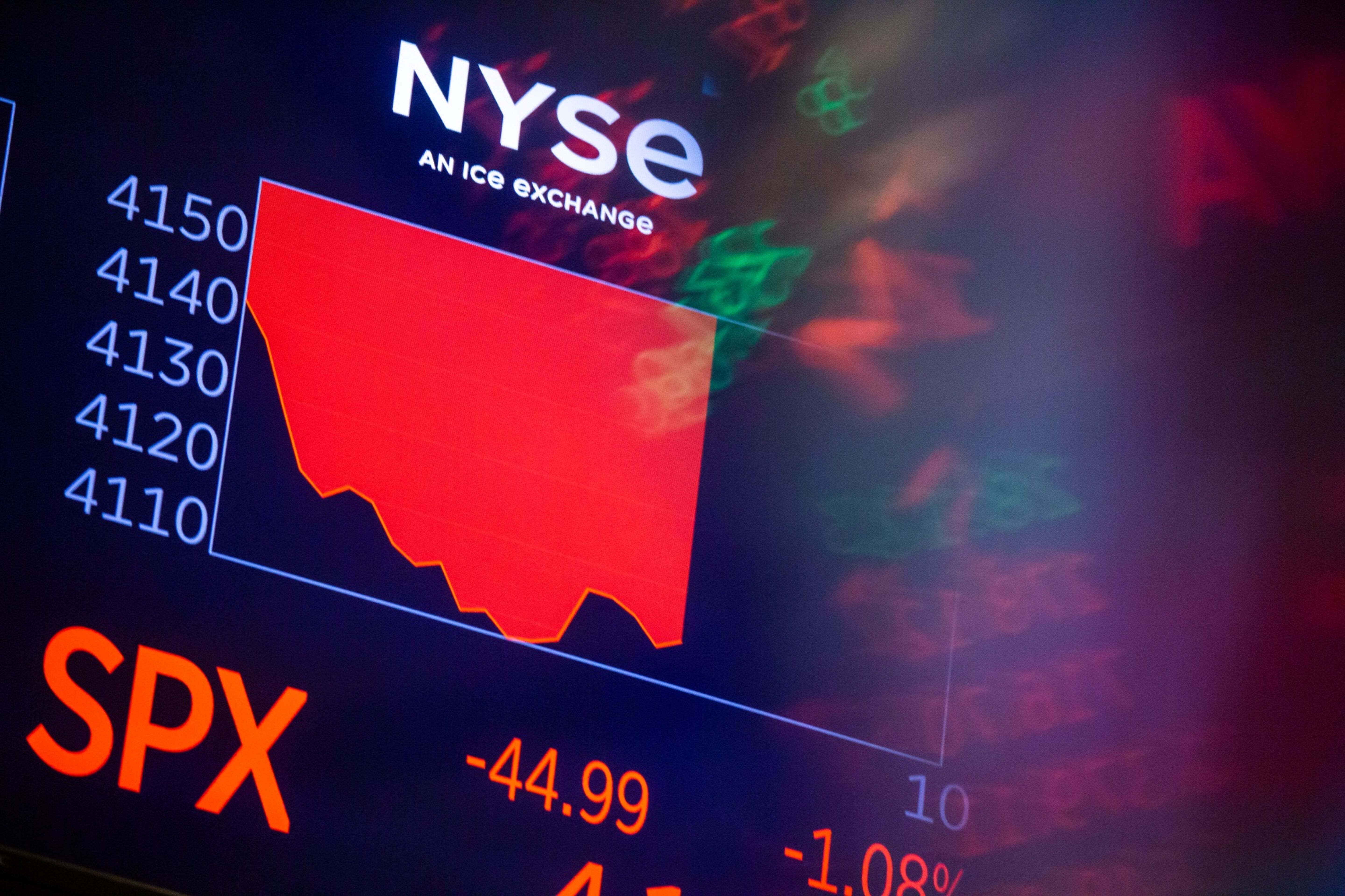
Stock market volatility is suddenly back on radar screens as equities drop for a third day in a row. That doesn’t bode well for the performance of markets, which haven’t seen a pullback of 5% or more since March.
History, analytical rigor, and logic argue that long-term buy-and-hold investors should shift their allocations from stocks toward bonds.
If you are relocating to a new city or country, whether temporarily or permanently, consider your health.
To see success in your practice, here are five things you must stop doing.
You need to pay attention to the role of emotions to effectively communicate with your clients.
It would seem I would wake up every day excited and ready to greet the day. But instead, I find I am dragging myself out of bed dreading what’s to come.
Private credit is an asset class that has blossomed alongside the Federal Reserve’s rate hikes. From sovereign funds to family offices, many people want to put their money in. Asset managers are more than happy to latch onto this enthusiasm.
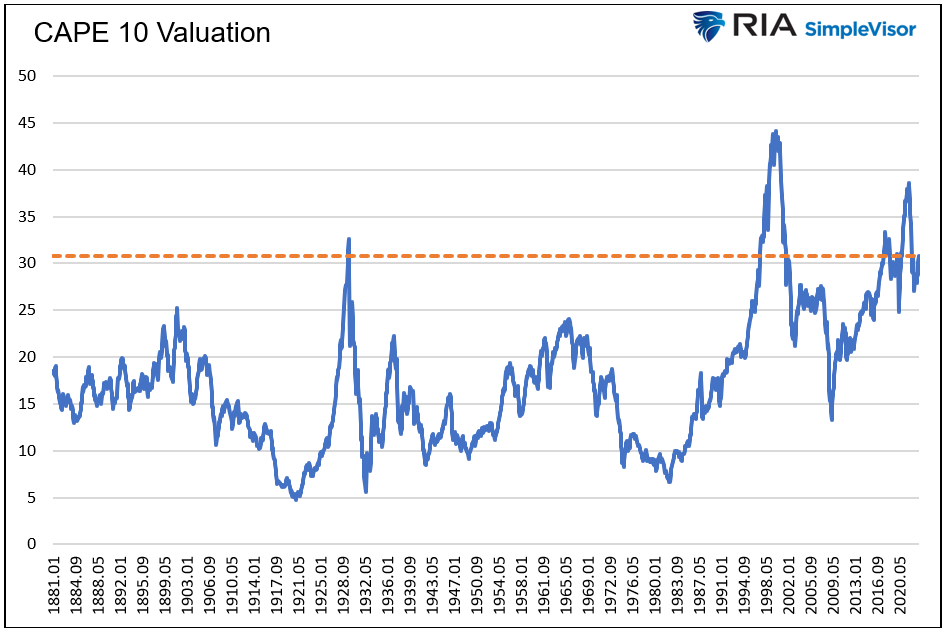
After a strong resurgence from last year’s bear market, the S&P 500 Index looks stretched. By at least one valuation measure, the leading gauge of the US stock market has rarely been more expensive during the past three decades.
The unexpected downgrade of US government debt sent shockwaves across the economic and political landscapes. In financial markets, the move was met with what amounts to a shrug.
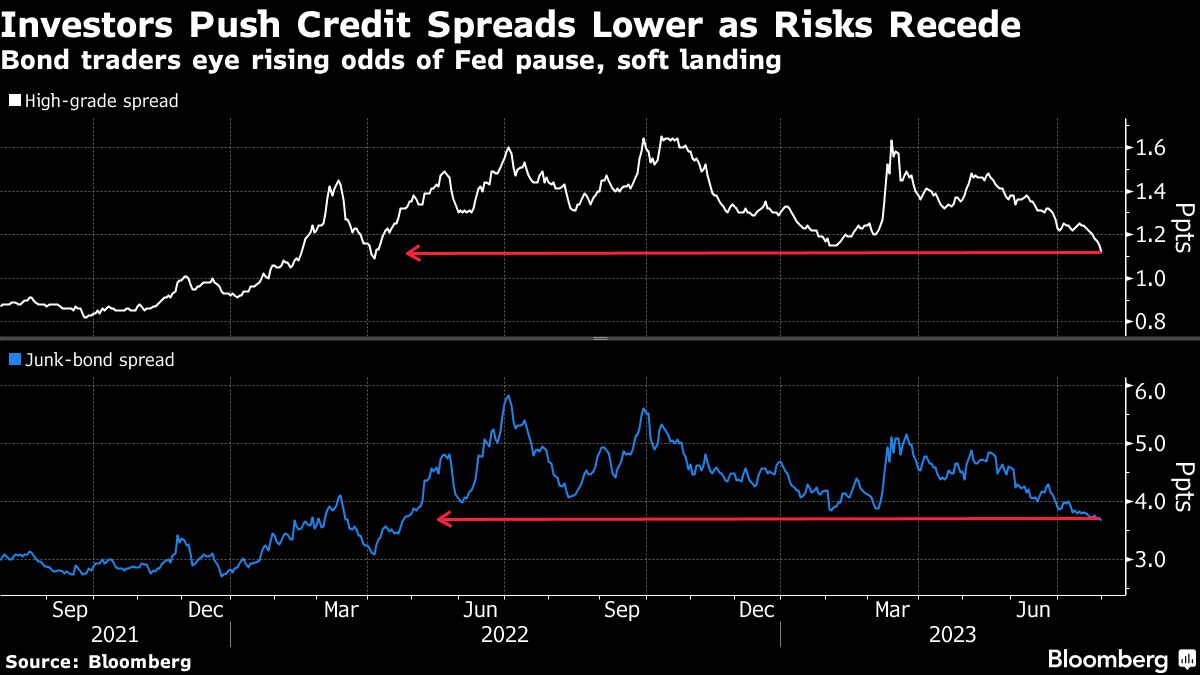
Credit investors are turning more optimistic that the Federal Reserve will pull inflation under control without shoving the US economy into a deep recession.
The US Treasury boosted the size of its quarterly sale of longer-term debt for the first time in over 2 1/2 years, testing dealers’ appetites amid an increase in government borrowing needs so alarming it spurred Fitch Ratings to cut the US sovereign rating from AAA.
State Street Global Advisors is challenging larger exchange-traded fund rivals BlackRock Inc. and Vanguard Group Inc. with its latest round of fee cuts.
Bitcoin trading volume tumbled last month amid waning volatility and little notable price swings in a market that speculators traditionally gravitate to for its turbulence.
While US stocks may pull back in coming weeks amid concern over Federal Reserve policy, the S&P 500 will reassert itself around September before climbing to an all-time high, according to JPMorgan Chase & Co.’s trading desk.
Are you being hired based on the facts you collect and provide or on how your prospects feel about you?
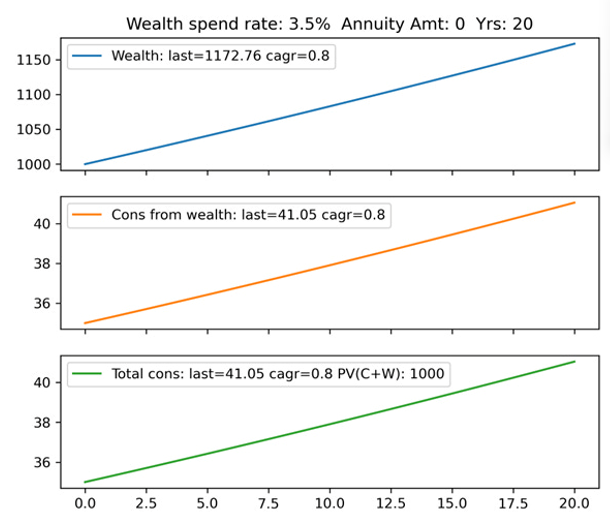
Advisors and investors wonder what role annuities should play in retirement planning. Here are the pros and cons of a common annuity product versus consuming out of invested wealth.
The Wall Street Journal recently reported that America’s retirees are investing more like 30-year-olds. Is it true?
Advisors must go beyond a one-size-fits-all approach and embrace the power of personalization.
Cynics often say about hedge funds are a compensation scheme masquerading as an asset class. If the critics are looking for ammunition to make their case, they need to look no further than Sculptor Capital Management Inc., the firm formerly known as Och-Ziff Capital Management.
After a string of encouraging data, markets are displaying increasing optimism that the Federal Reserve might be done with its battle against inflation — and that the US will experience a rare “soft landing,” in which inflation falls back to 2% and the economy cools without dipping into recession.
Federal Reserve Chair Jerome Powell has left the door open to another interest-rate hike, but Wall Street economists see the signs pointing in one direction ahead of the central bank’s September meeting: pause.
There’s a shift in tone happening across Wall Street.
Oil exchange-traded funds posted their largest week of outflows for more than a year, led by a record withdrawal from the crude market’s biggest ETF.
The US Treasury boosted its estimate for federal borrowing for the current quarter as it addresses a deteriorating fiscal deficit and keeps replenishing its cash buffer.
For stock-picking hedge funds coping with 2023’s loopy markets, risks are starting to outweigh the rewards.
If you answer “yes” to any of the following questions, you might be caught up in toxic positivity.
Families can meaningfully improve returns in the public equity markets by thinking thematically and extending the duration of their ideas.
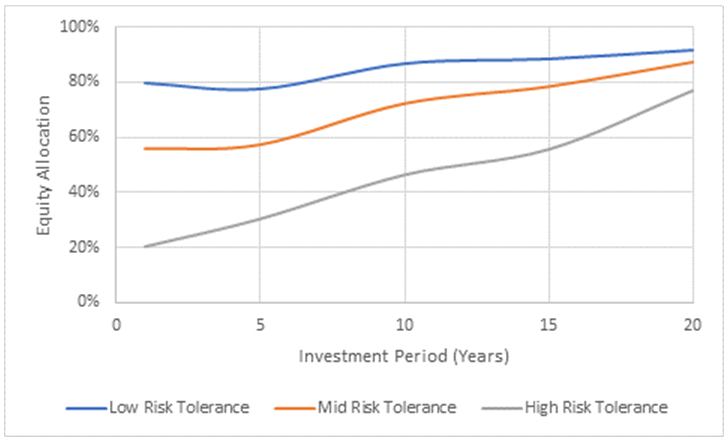
While the equity allocation of portfolios should increase for longer investment horizons, the adjustment should be less than implied by the historical evidence, and it should be based on each investor’s unique situation and preferences.
Many advisors are using longevity assumptions that are less conservative than they think.
Starting valuations are the most reliable predictor of equity returns. But they are far from reliable, and investors must use those forecasts cautiously.
When it comes to measuring the progress of Mark Zuckerberg’s metaverse, big numbers have been in short supply. Only 20 million of his Quest virtual reality headsets have sold since 2019.