Inspired by the modest market turbulence late last year, I just couldn’t resist trying my hand at a daily financial column. Only the names have been changed to protect the clueless.
This year, managers at Jefferies Financial Group Inc., Evercore Inc. and PJT Partners Inc. say they’ve been inundated with CVs from the likes of Goldman, Barclays Plc and Credit Suisse.
It’s shaping up to be a pivotal week for global stocks, as companies with a combined $27 trillion market value gear up to report quarterly earnings. As Netflix Inc. and Tesla Inc. showed last week, the pressure is on — to deliver or face a sharp selloff.
It made sense at the time. Jerome Powell was waging war on inflation. The bond market was flashing dire warnings. Practically everyone saw a recession coming.
Listen to Wall Street’s top economists and you’ll hear the same message again and again: The risk of a recession is fading fast. And yet, in the bond market, the traditional warning that a downturn is near — an inversion of the yield curve — keeps getting louder.
Target-date funds, which make up over half of total 401(k) assets, are not following investment theory, exposing investors to excessive risk.
Last December, Florida’s legislature passed a controversial but necessary set of reforms aimed at shoring up the state’s teetering property insurance market, where a string of insurers had canceled policies and even filed for bankruptcy, leaving homeowners with dwindling options.
Last month, BlackRock Inc., the world’s biggest money manager, asked the Securities and Exchange Commission to approve a spot Bitcoin exchange-traded fund — a fund that would invest in the digital currency directly rather than through futures markets.
Global corporate bond returns just hit their highest level this year on bets that the inflation crisis is coming to an end. Some investors say this may be as good as it gets, with dangers lurking in credit markets for the second half.
China’s ultra-long government bonds are seeing heated demand as the economy’s dire outlook and expectations for modest stimulus drive bets for further gains.
Crypto investors appear to be the most optimistic in over a year about the odds of the world’s biggest Bitcoin investment product being allowed to be turned into an exchange-traded fund.
An out-of-cycle rebalance in the Nasdaq 100 is adding another layer of wrinkles to stock trading with a flood of options expiring Friday.
We’ve known for a long time that CPI-adjusted lifetime guarantees are the ultimate bedrock for a secure retirement.
Tesla Inc.’s latest results gave bulls a lot of what they wanted: An earnings beat, tantalizing shots of the Cybertruck, and an “internal projection of Dojo compute power,” referring to the in-house supercomputer.
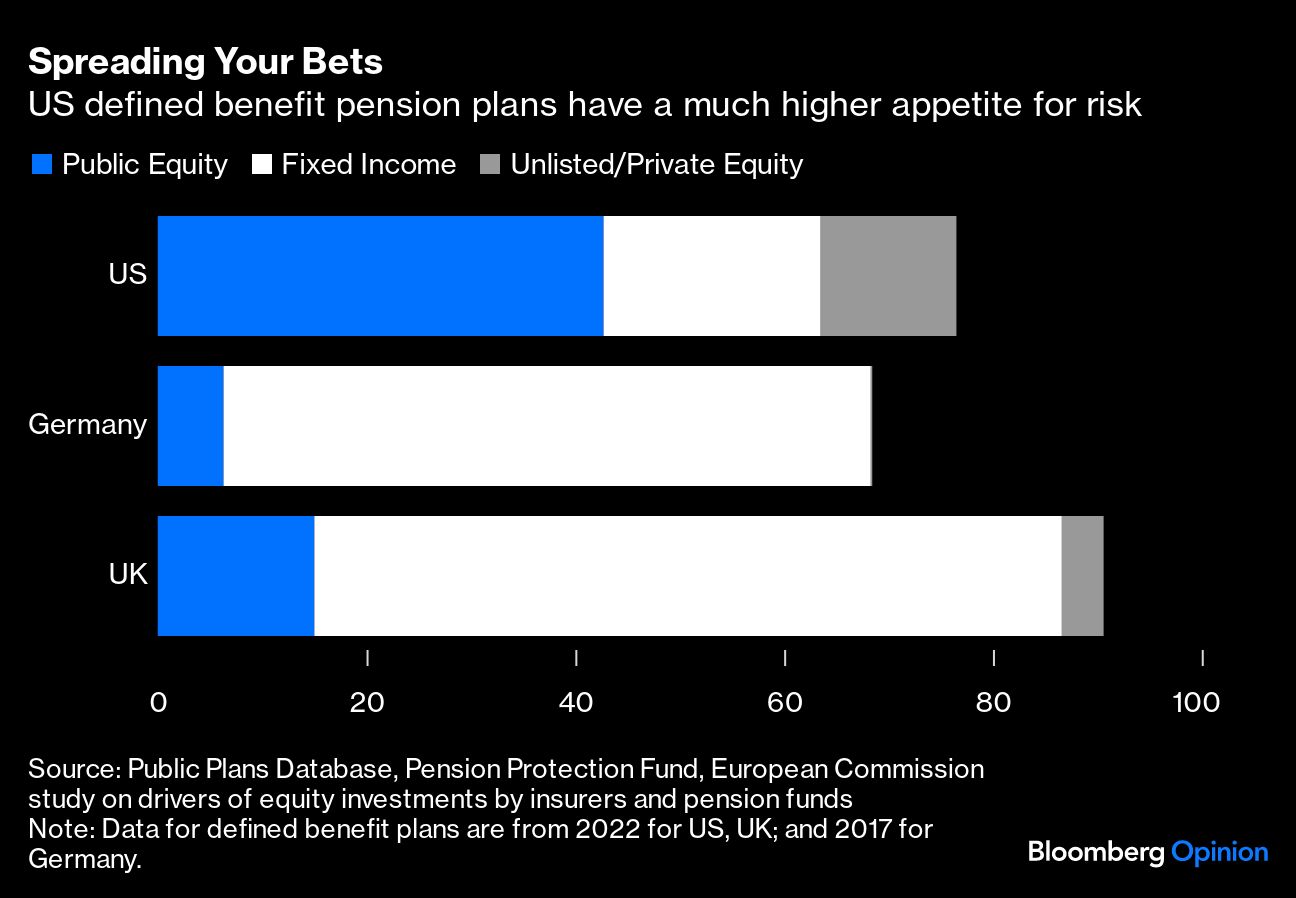
Perhaps taking a page from the US, where retirement funds have long made significant equity investments, the UK is hoping that adding lots of private equity to its pension pots will drive higher returns and superior growth outcomes.
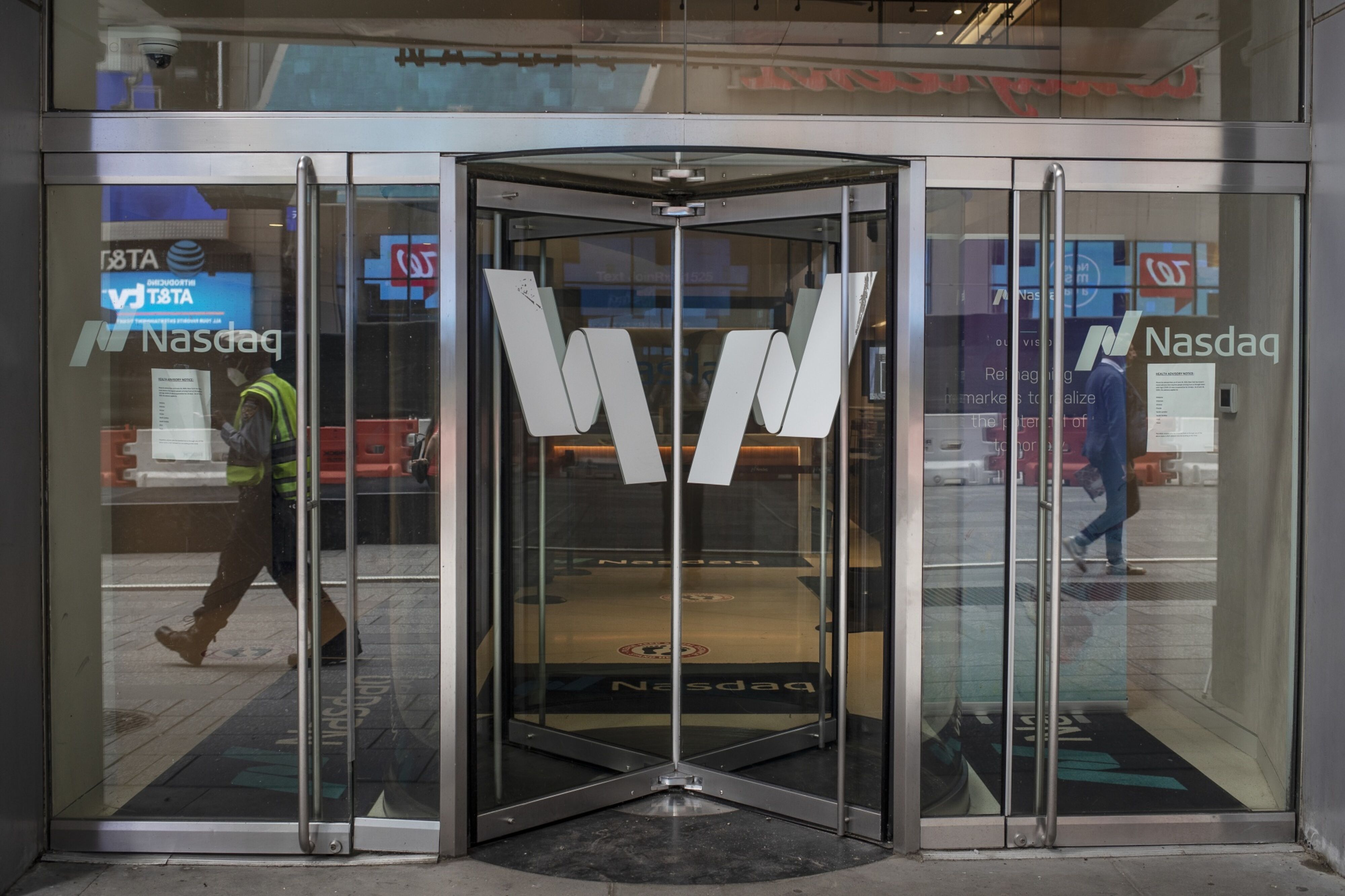
Nasdaq Inc. became the latest mainstream financial firm to take a step back from digital assets, aborting its launch of a custodian business in the US due to the shifting business and regulatory environment.
Wells Fargo & Co. grabbed the most trading and dealmaking market share in years, a key milestone for Chief Executive Officer Charlie Scharf’s quest to build the fourth-largest US bank into a more formidable Wall Street player.
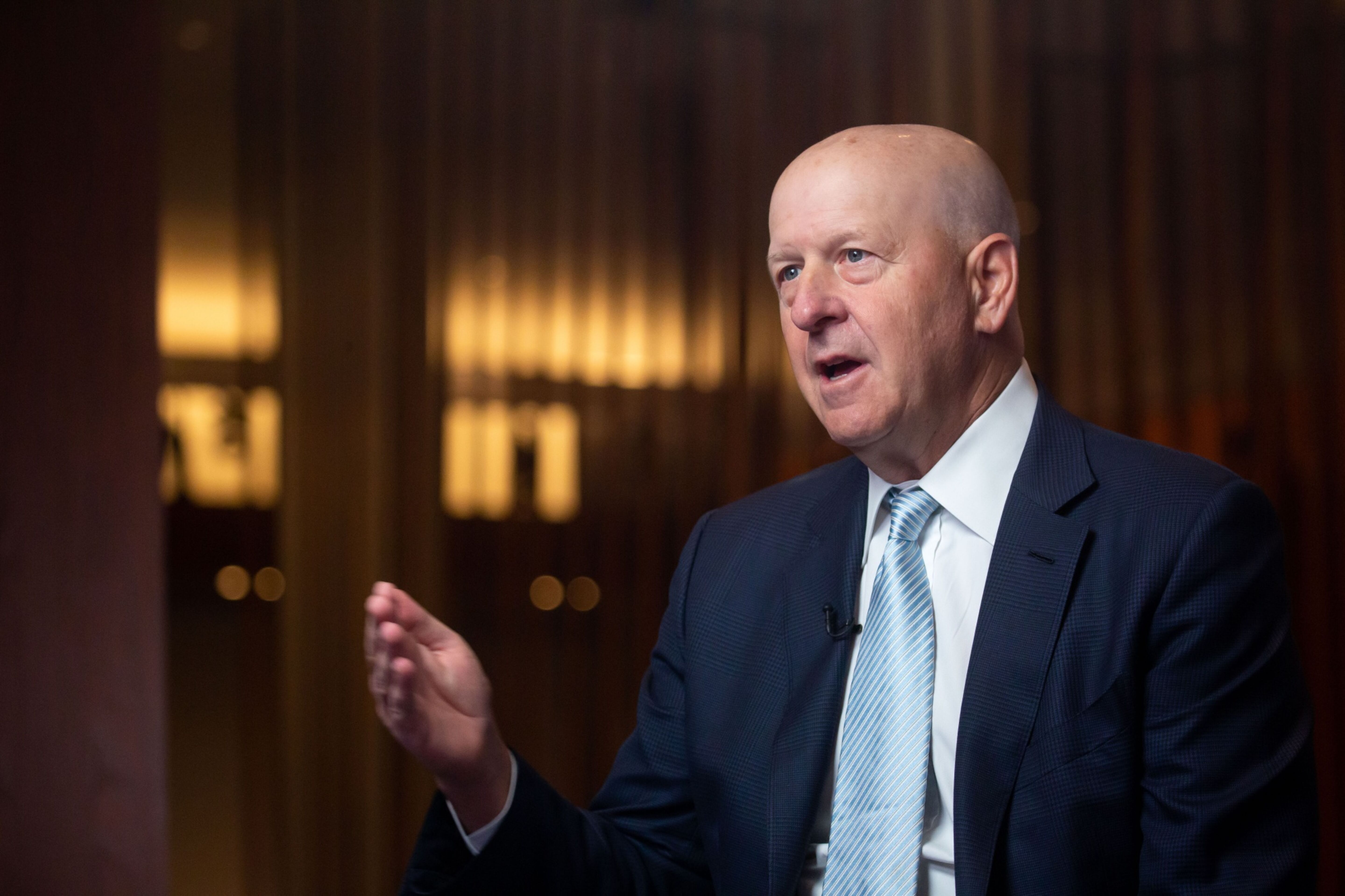
Goldman Sachs Group Inc.’s profit plunged as the Wall Street giant notched one of its weakest quarters under Chief Executive Officer David Solomon.
Whether you're just starting out or already have a content marketing strategy in place, this guide will provide actionable steps to help you launch your content strategy or enhance your existing practices.
Here are the top employee wellness trends that you can leverage this year.
When they tell me that “balance” is working 14-16 hours every day and being available for the clients and the firms all weekend, every weekend, I have an issue.
Should you be concerned? How can you compete with “free”?
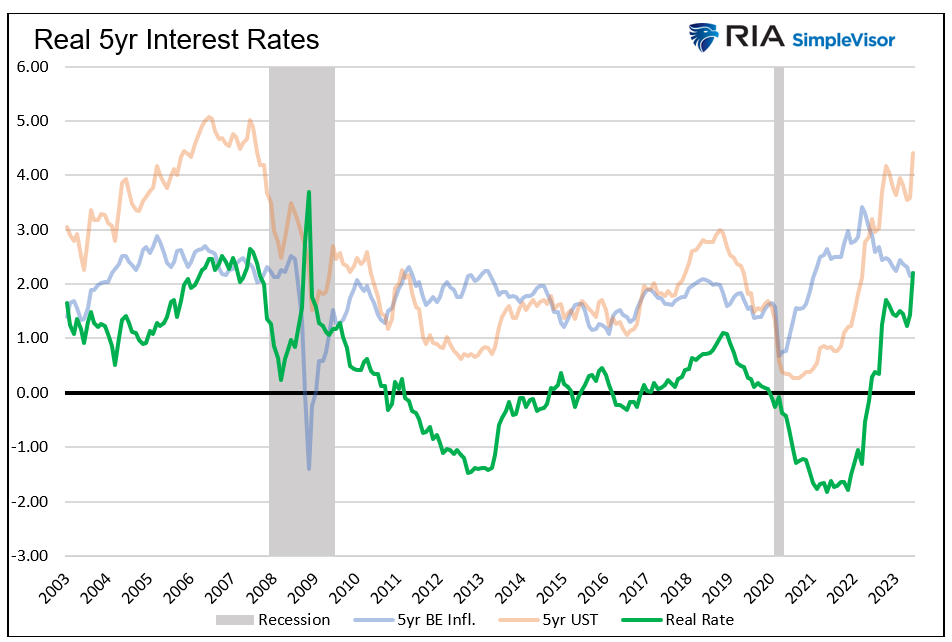
Bond yields well above implied and historical inflation rates are a great opportunity.
After a stretch of wildly positive economic surprises, the latest US retail sales data felt like more of a mixed bag: the top-line number missed forecasts and, partially in response, stocks drifted aimlessly between losses and modest gains.
When asked about how tighter regulations affect banks’ business models, JPMorgan Chase & Co.’s Chief Executive Officer Jamie Dimon commented that it was great news for hedge funds and private equity firms.
Richard Cooper’s phone is something of an early alarm bell for the global economy. Lately, it’s been ringing a lot.
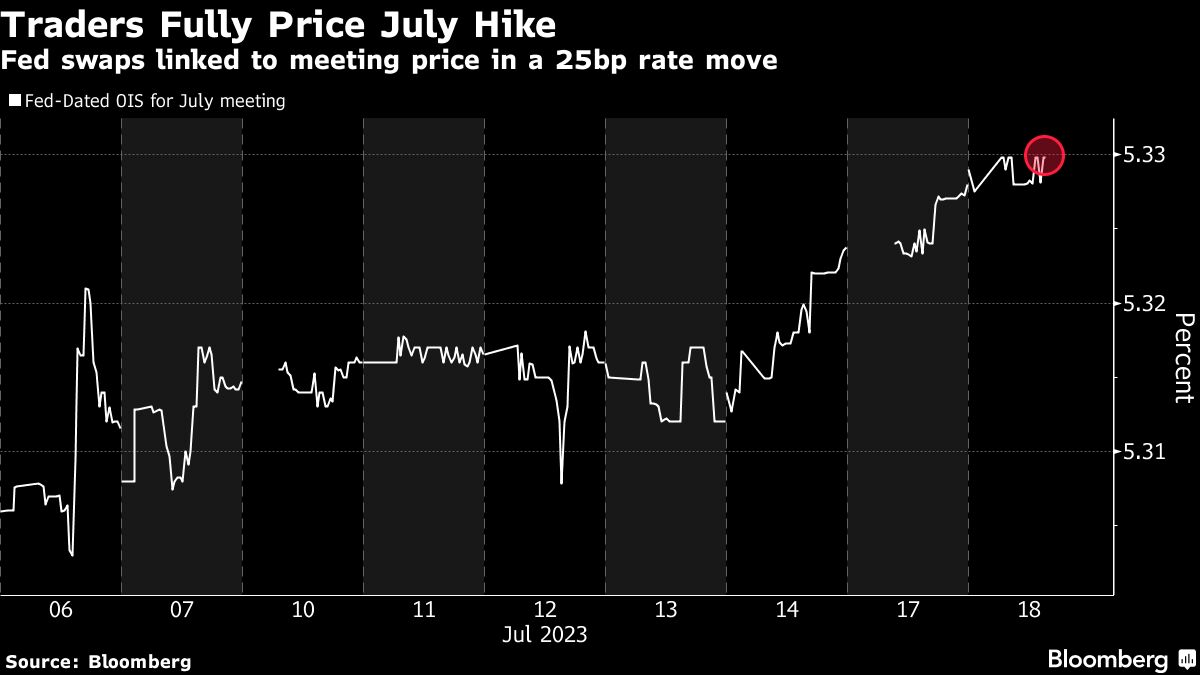
Traders now have no doubt: the Federal Reserve will start raising interest rates once again next week.
The best argument in favor of approving new Bitcoin exchange-traded funds is that they already exist, tracking futures. Sadly for the crypto crowd, that’s also the best argument for why nobody needs a new one.
The pioneer of the world’s first “buffer ETFs” — exchange-traded funds that are supposed to limit losses during market selloffs — has launched a new product that it says offers investors complete downside protection.
Ironically, many advisors allow their prospects to avoid being decisive.
Investors with $250,000 or more to spend on municipal bonds are increasingly seeking opportunities to pick and choose what goes into their portfolios.
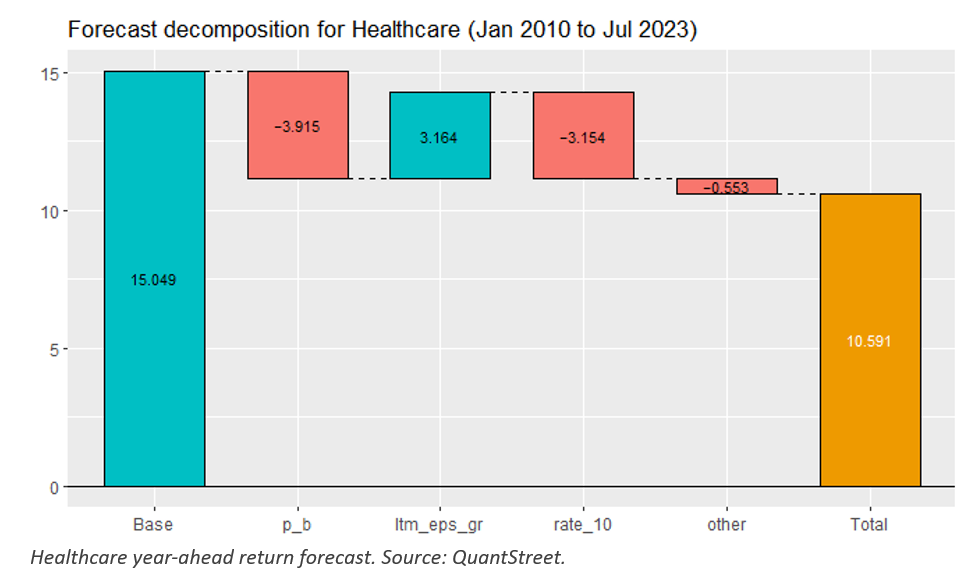
Healthcare stocks have been laggards on the back of cost pressures and punitive regulations. But the long-term trends are extremely favorable, making the sector a compelling opportunity.
Cathie Wood said Nvidia Corp. is now an “obvious” artificial intelligence bet, and she’s buying up shares of other companies that can capture more upside from the potentially transformative technology.
While the deeply inverted yield curve has stoked anxiety among investors about the prospect of a recession, Goldman Sachs Group Inc. has a different message: stop worrying about it.
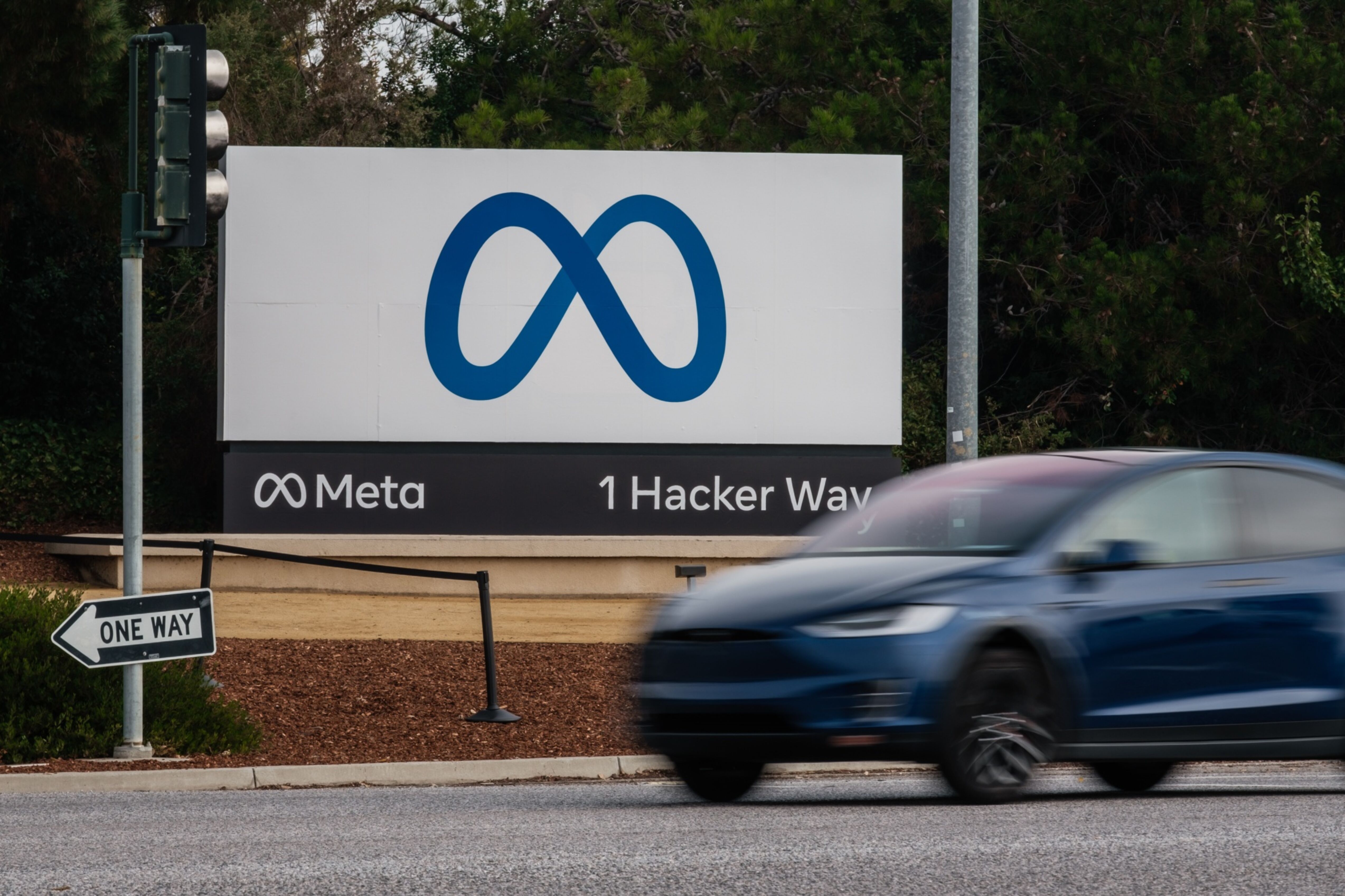
When a “special rebalance” of the Nasdaq 100 Index was touched off to curb the dominance of the biggest technology stocks, Meta Platforms Inc. was the only mega-cap to fall below a crucial threshold for downsizing. Now it seems the social media giant will be pared back anyway.
Dial into any bank earnings call these days and you will hear lots of talk about “deposit beta.” The phrase came up 29 times in the presentations following results from four of the largest US banks last week. A metric that analysts have tracked for years has hit the mainstream.
For high-net-worth families, especially those whose family members have unique healthcare needs, it’s critical to have a detailed emergency plan in place.
Everyone can be happy about the recently reported decline in the US inflation rate, but how and why did it fall so quickly without causing a recession on the way down?
Here are four steps to train your staff to learn and retain new skills.
According to reasonable and trustworthy data, we are not in a recession.
On May 16, the CFP Board adopted revised Procedural Rules addressing procedures for investigating alleged misconduct and enforcing its Code of Ethics and Standards of Conduct.
New research has documented the persistent failure of investing based on artificial intelligence (AI). This is unsurprising, given the challenges of active management and the widespread inadequacy of humans to outperform an index fund.
The next time someone expresses a firmly held opinion about homelessness, ever so gently recommend that they read Homelessness is a Housing Problem. The more people who read this book, the closer we’ll be to a solution.
To find undiscovered investment strategies, financial advisors must perform due diligence that goes beyond track records.
In this interview, Woody Brock discusses why the dollar will remain as the reserve currency, his outlook for inflation, and how AI will affect the economy and the job market.
Earnings reports on Friday showed Citigroup Inc., JPMorgan Chase & Co. and Wells Fargo & Co. gained big time from their size and the extra support the Federal Reserve injected into the banking system in March.
Whether you are examining the evolution of the US economy or the impact of monetary policy, one of the noteworthy developments this year is not what has happened but rather what has not.
Equity strategists are boosting earnings forecasts for the S&P 500 Index over the coming year faster than they are marking them down, pushing a key indicator tracking the momentum of analyst revisions well off its November nadir.
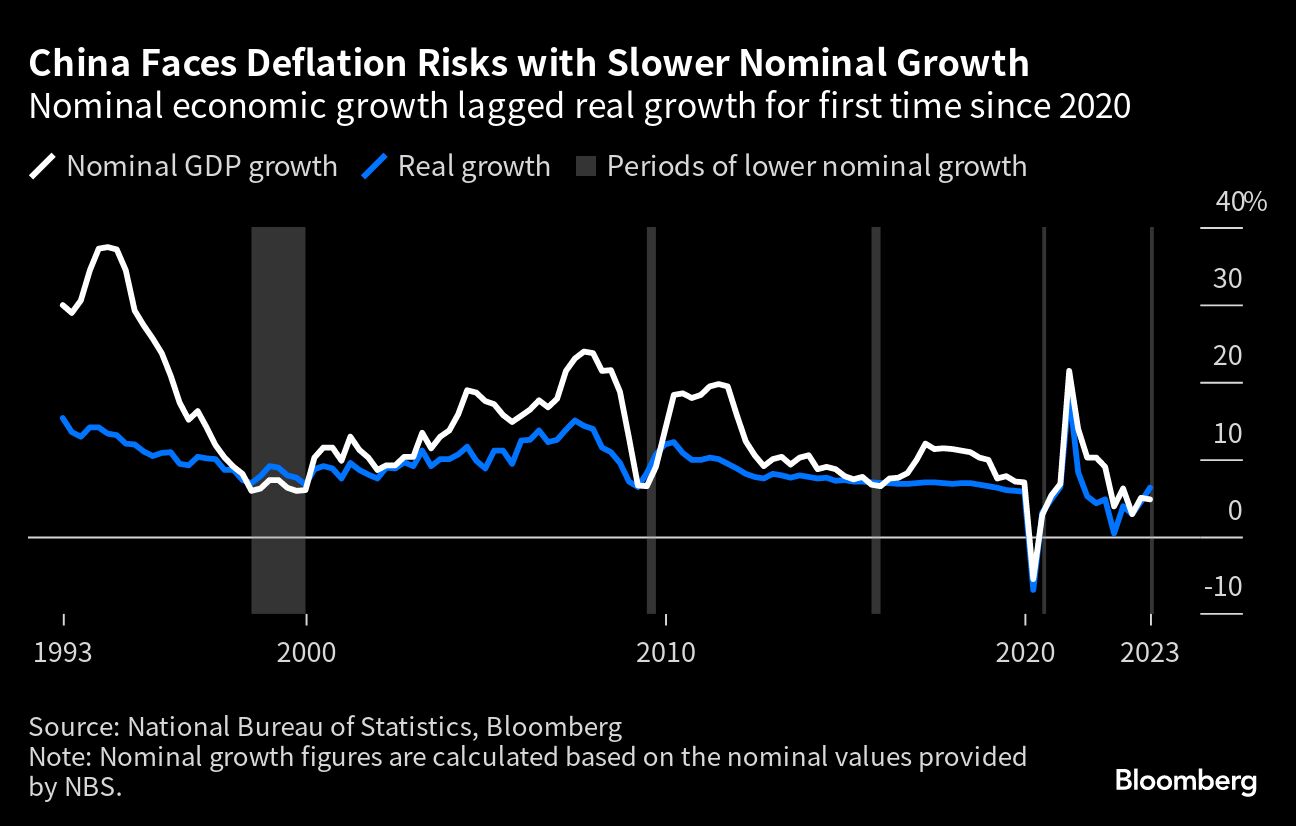
China’s disappointing economic growth figures prompted several economists to downgrade their forecasts for the year, citing major weaknesses in the recovery and Beijing’s relatively muted stimulus-response.
Investors loading up on long-term bonds have a history at their back.