Purchases of goods and services, adjusted for changes in prices, fell 0.4% from the prior month, following a 2.1% jump in January, according to Commerce Department figures Thursday. The decline was due entirely to a decrease in spending on merchandise.
The pandemic has prompted a rethinking of many practices and routines of professional life, such as working from home, meetings and interviewing online. Now another such pastime is ripe for a reassessment: the face-to-face conference.
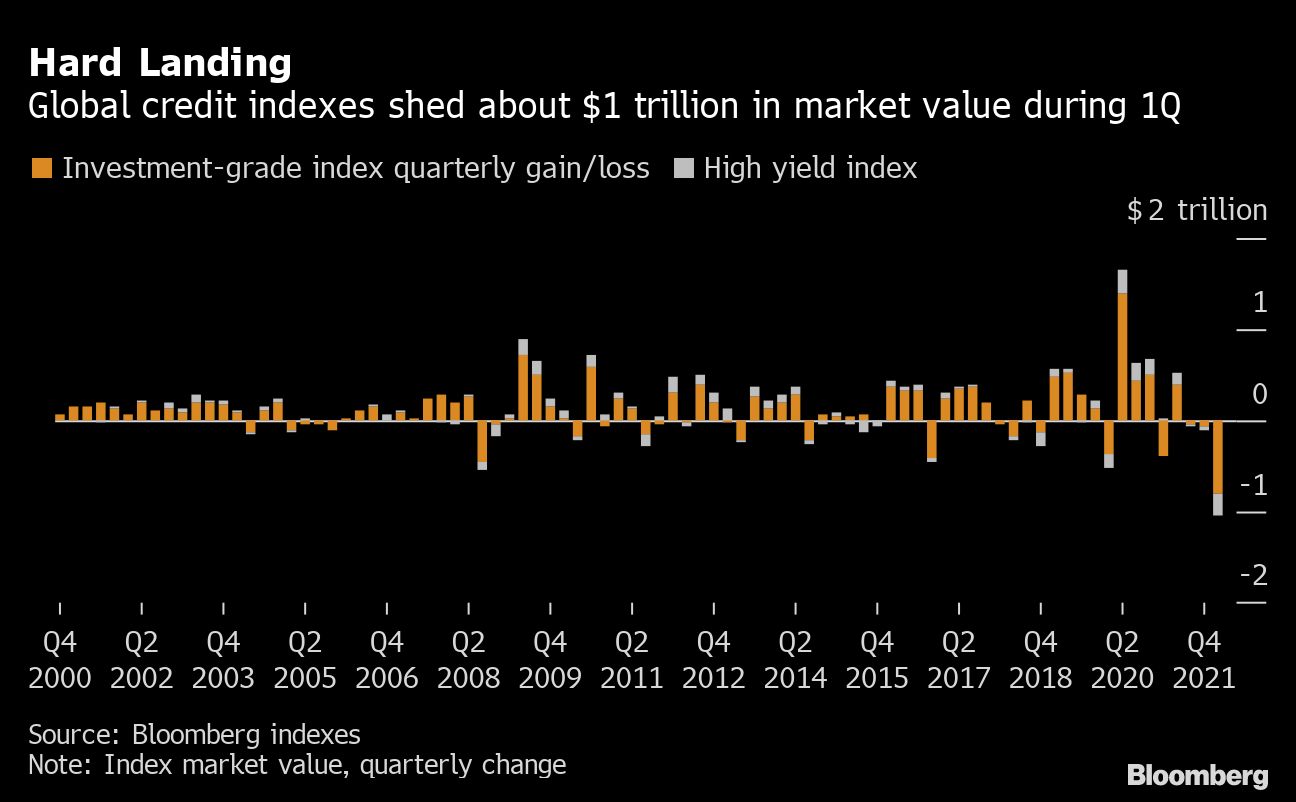
Investors in corporate bonds are bracing for more trouble after getting hammered by rampant inflation and rising yields in the first quarter.
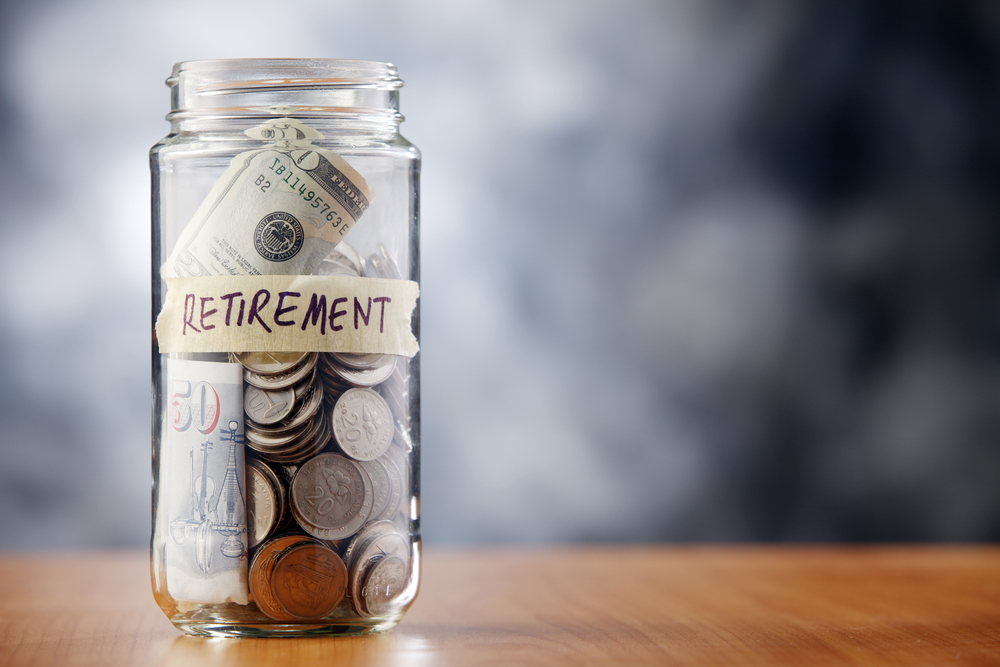
The House overwhelmingly passed legislation that would expand the tax benefits for retirement accounts to bolster the savings of Americans, many of whom have nothing banked for after they stop working.
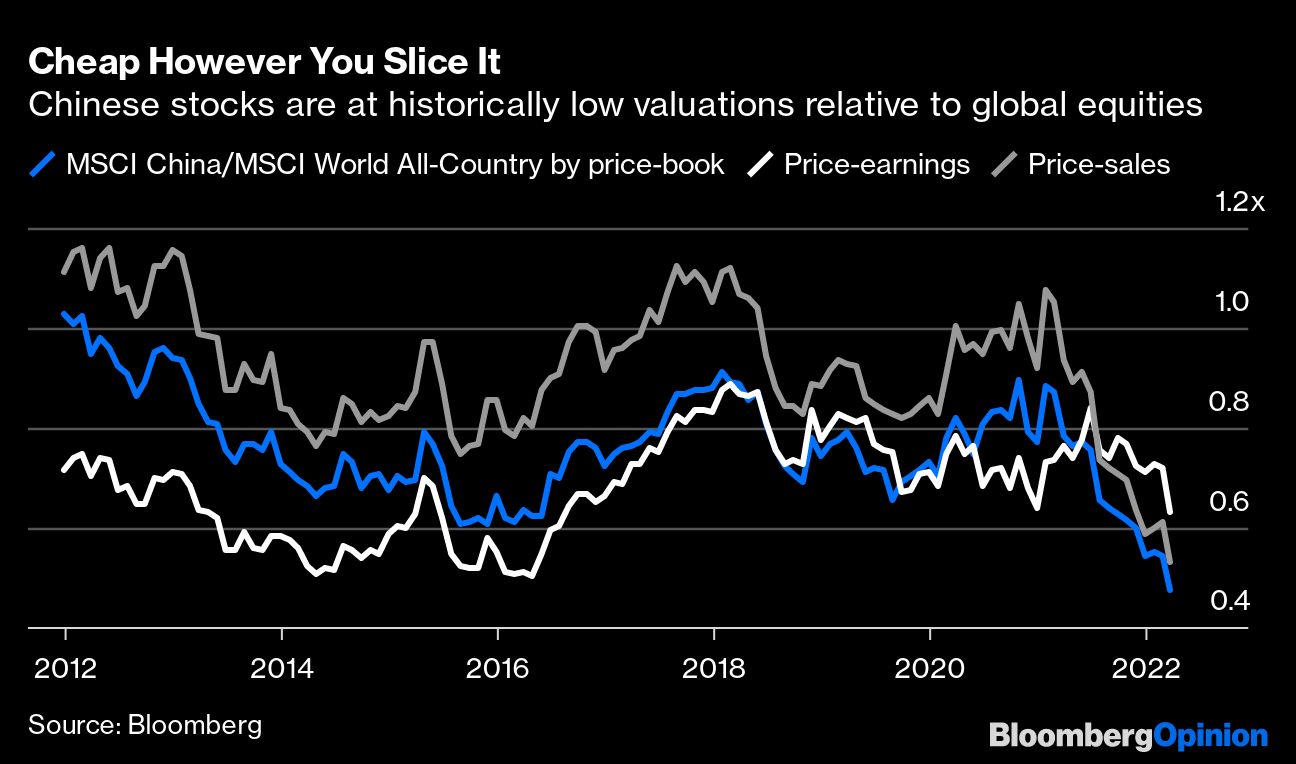
Things are never as good or as bad as they seem. That adage has generally served investors well. Ignoring the extremes of optimism and pessimism can spare equity buyers some painful mistakes — such as piling into tech stocks at the height of the dotcom boom — and may signal lucrative opportunities for the brave, such as during the depths of the 2008 global financial crisis.
It may be inconceivable to the moneyed class, but there are in fact very good reasons not to raise interest rates quickly or dramatically. Yes, inflation is worryingly high, Ukraine is burning and Covid-19 still threatens to upend supply chains. However, the reality many Americans face — if not low-income and middle-class workers across the globe — is quite different from what the stock market and go-to suite of economic indicators tell us.
It’s a question that faces every public company: Should corporate employees care about day-to-day stock fluctuations? Last week, Shopify Inc. CEO Tobi Lutke shared his perspective by tweeting that the “relationship between stock price and a public company is the same as the relationship between a pro sports team and betting markets. Sort of related, but irrelevant to the players on the field.”
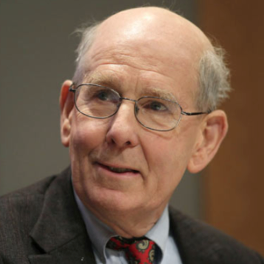
Get out of stocks, according to Gary Shilling, who has gone to 30% cash in the portfolios he manages. The economy will be in recession by the end of the year, and stocks will fall in response.
I’m one of the 45 million foreign-born individuals who now call the U.S. home. I knew enough about budgeting, but struggled with financial decisions from day one, as this was a completely new system to me.
The insurance industry has struggled to build engagement with its customers. That is also true among financial advisors, who can apply the same tactics to grow their business.
No one is born a writer. It’s a skill to be learned and nourished. Unlike most skills that erode as we age, you can always improve your writing skills.
I’ll share some of the insights into how advisors can get the most value when they pay for training solutions..
ICYMI: In this roundup, we’re highlighting the five most popular pieces of content from the previous week.
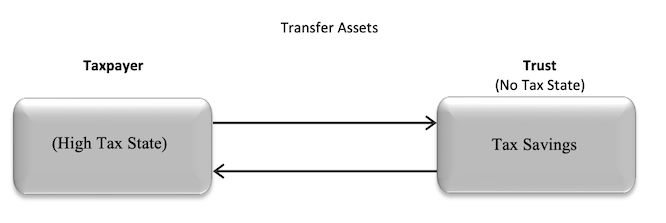
This article provides an overview of the benefits of using a Nevada Incomplete Non-Grantor Trust (NING) as part of a business sale to reduce or eliminate state income taxes and capital gains taxes.
After spending many years in the planning profession, I’ve found that advisors place superfluous importance on speaking intelligently and comprehensively.
Without detracting from the strong ethos you have spent years, or even decades, building, here are three ways you can build and maintain a strong culture in a remote or hybrid work environment.
Regardless of the facts, our perception is our reality. This is especially true when it comes to investing, where we often make decisions based on the perceived risk we believe exists, whether or not that degree of risk really exists.
U.S. executives with a business degree are more likely to oversee declining pay at the businesses they run, yet tend not to deliver an increase in profits or sales, according to a new paper circulated by the National Bureau of Economic Research.
Buyout activity is picking up pace in Europe, but a number of banks are taking a cautious approach to new risk, looking for higher pricing, more flex protection and in some instances fuller fees on junk-rated debt underwrites against a backdrop of heightened volatility, inflation and rising rates.
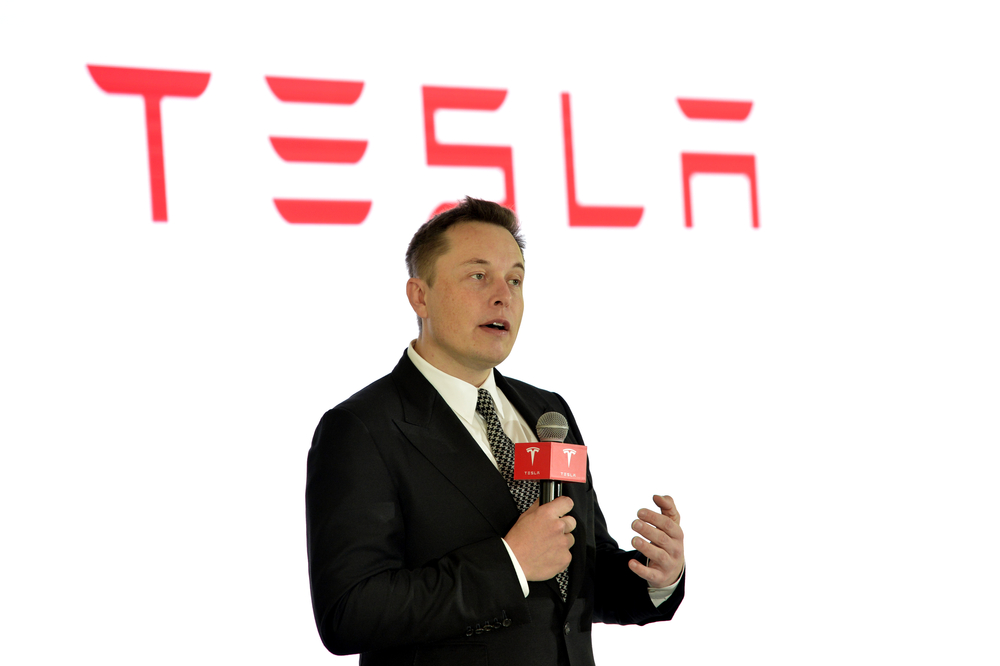
By the time premarket trading started Monday, Tesla shares were down less than 1%. None of the above developments were unmitigated disasters: Musk has feuded with U.S. safety officials before; Tesla plans to reopen its Shanghai factory after a few days; Karpathy tweeted he’s looking forward to a return; Musk said he has almost no symptoms.
Early in the pandemic, toilet paper shortages pushed weary Americans to the fringes. Out of necessity, millions tried rolls made from recycled paper or bamboo. And what they found surprised them. These alternatives were actually soft, far from the sandpaper-ish versions they grudgingly used at their office or in a public restroom. That revelation is shaking up what had been a stable — even boring — category that racked up about $10 billion at U.S. retailers last year.
Signs are emerging that the resilience of American consumers is rapidly waning, potentially undermining one of the few remaining pillars supporting the bull market in equities.
Federal Reserve officials, rattled by persistent inflation and criticism that they’re behind the curve, have pivoted toward an even more aggressive plan of interest-rate hikes than they signaled earlier this month to ensure price increases cool.
Macroeconomists have debated whether financial crises are predictable. New research shows that indeed they are – and are caused by the rapid expansions of credit accompanied by asset-price booms.
The world has spent a decade gorging on fuel from America’s shale basins, and oil prices are topping $100 a barrel. So it might seem an odd time to be contemplating the energy transition. But that's precisely the task facing the small towns across places like Texas, Wyoming and New Mexico: deciding when to move on from their bedrock industry, even when it’s in an upswing.
Some of the big-name startups expected to go public early this year have slowed their rush to market as stocks continue to whipsaw. Companies including Reddit Inc. and Cohesity Inc. each discussed listing shares as soon as the first quarter of 2022, people familiar with the matter have said. Though both have filed paperwork for an initial public offering, neither has taken the next steps toward making their market debuts.
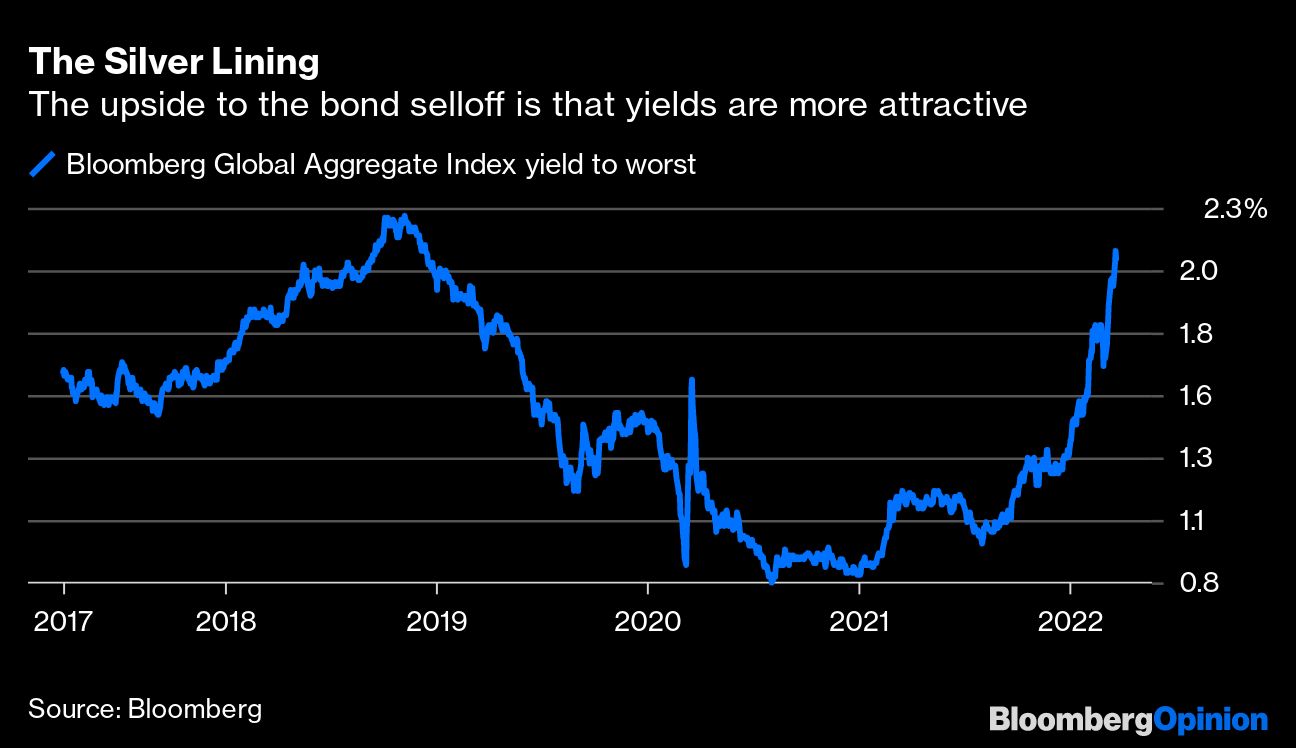
The Bloomberg Global Aggregate Index, a benchmark for the bond market worldwide, has tumbled 11% from its peak in January 2021, equating to a drop of $2.6 trillion in the index’s market value.
Since market efficiency is the primary driver of the rise of passive investing and the demise of active management, the structure of wealth management investment offerings is at stake.
If you’re looking for a case-study in economic groupthink, try Googling the phrase “Fed behind the curve.” Informed opinion, it seems, has congealed behind a conventional wisdom that the U.S. Federal Reserve has been too slow to restrain accelerating inflation.
America is facing a retirement crisis. Most experts agree that a significant portion of the population will lack the resources to live comfortably after they stop working. This, in turn, will place an increasing burden on the country’s social safety net.
Bitcoin broke out of a narrow trading range and wiped away this year’s losses amid a broad rally for cryptocurrencies, sparking speculation that the biggest digital asset could advance past the $50,000 mark soon.
Economic theory says that “green” stocks – those of companies with a low carbon footprint – should underperform “brown” ones. But in recent years that has not been the case, and new research explains how cash flows to sustainable strategies have driven short-term outperformance.
Geopolitical upheaval and rapid inflation have driven volatility and, with that, questions from clients about whether to reposition portfolios defensively. In my wide-ranging conversation with Harold Evensky, he explained how he responds to fears that this time is different.
The passing of my beloved pet and “office dog” offers an important insight into how advisors can serve clients when they truly need help.
When prospects don’t return your calls, you feel betrayed ….because you gave them everything they needed to convince them to choose you. Is there a way to prevent being “ghosted” like this?
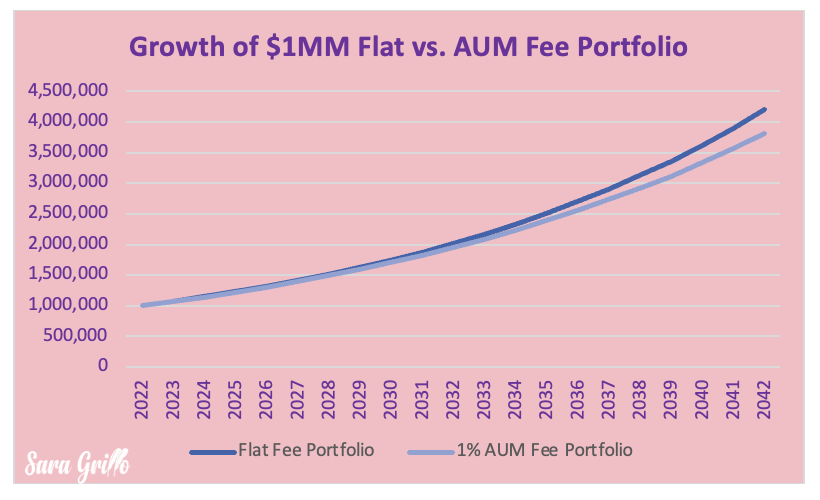
I’ll take an order of flat fees (otherwise known as retainers) with a side of financial planning. Customers are lining up out the door for this.
Filling out your March Madness bracket provides insight into how investors select assets, structure portfolios, and react during volatile market periods.
Americans are still benefiting from a raft of pandemic relief measures that are contributing to the biggest tax refunds seen at this point in the filing season in more than a decade.
Russia’s invasion of Ukraine has underlined the continent’s dependence on imported gas, and challenged its planners and politicians to consider where, how, and how quickly they might limit that dependence. Comparisons to 1970s oil-driven energy crises abound. Demand for oil and natural gas is integral to contemporary society, but that does not mean that both present the same challenges.
Oil fluctuated as investors weighed threats to supplies from the month-old war in Ukraine, with President Joe Biden set to address the crisis on a key trip to Europe that may see more sanctions imposed on Russia.
The financial strictures imposed on Russia have put a spotlight on cryptocurrencies. Could the Russian government, or sanctioned officials, use digital assets to hide and move their wealth, undermining efforts to punish President Vladimir Putin’s regime for its bloody war in Ukraine?
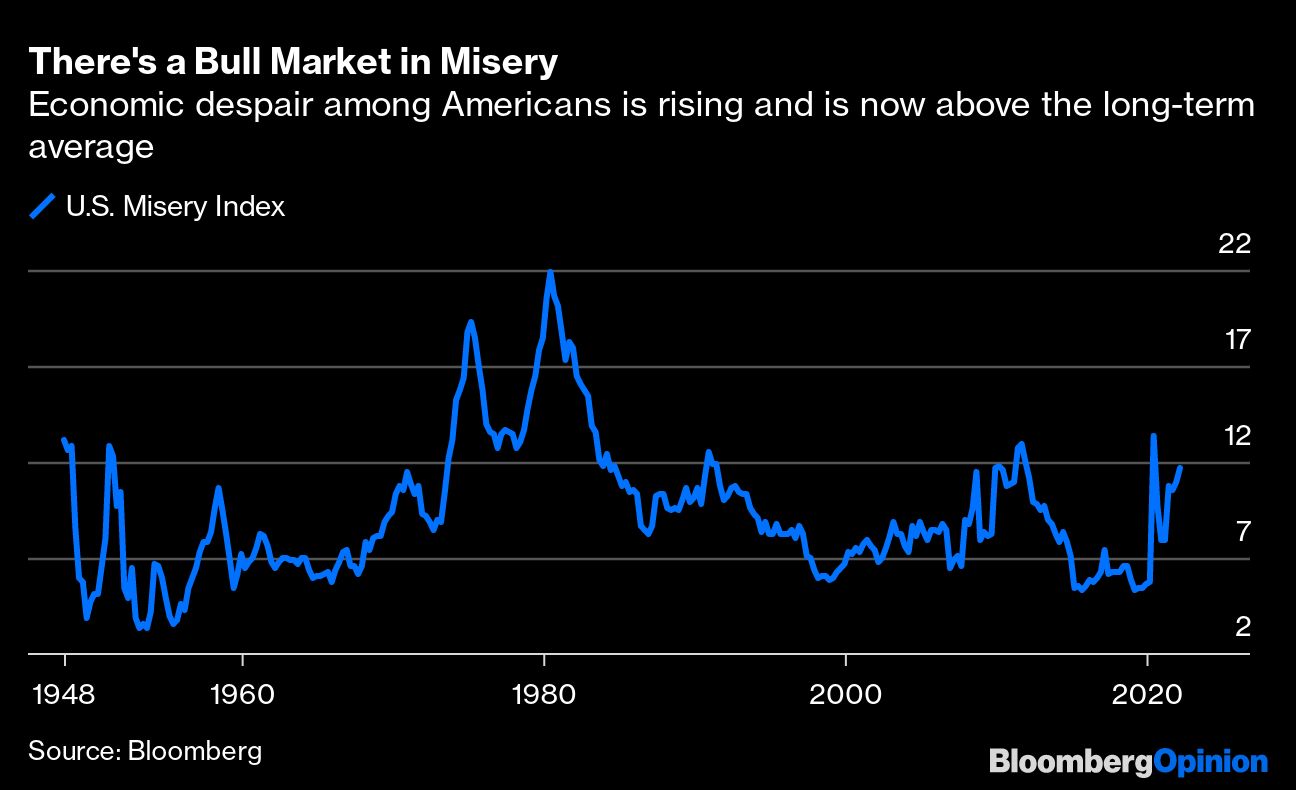
Financial assets such as stocks and bonds are things that we want. Hard assets, taken to mean things along the lines of fossil fuels oil, agricultural products and other commodities, are things that we need. When the price of the things that we need go up and the price of things that we want go down, it creates economic misery.
Hanging tough against Vladimir Putin was never going to be cost free. Energy prices are soaring, firms are pulling out of Russia and those that stay are at risk of nationalization. There’s concern about global food supplies. Recession chatter has started, even as the world economy is still mopping up from the last one.
For decades, financial experts like myself have implored clients to have a health care power of attorney. Now, some health care experts say you don’t need one because they don’t work.
Advisors tell me they don’t have time to focus on what they need (and often want) to do.
Does being busy equate with being productive?
Advisors with administrative support earn twice those without it.
Here’s what to do and what to avoid when writing email subject lines.
The Securities and Exchange Commission proposed rules on Monday that would require publicly traded companies to disclose a variety of climate-related risks and metrics, including greenhouse gas emissions. The reason is plain: Investors want more information about how companies are dealing with climate change, and it’s the SEC’s job to get it for them.
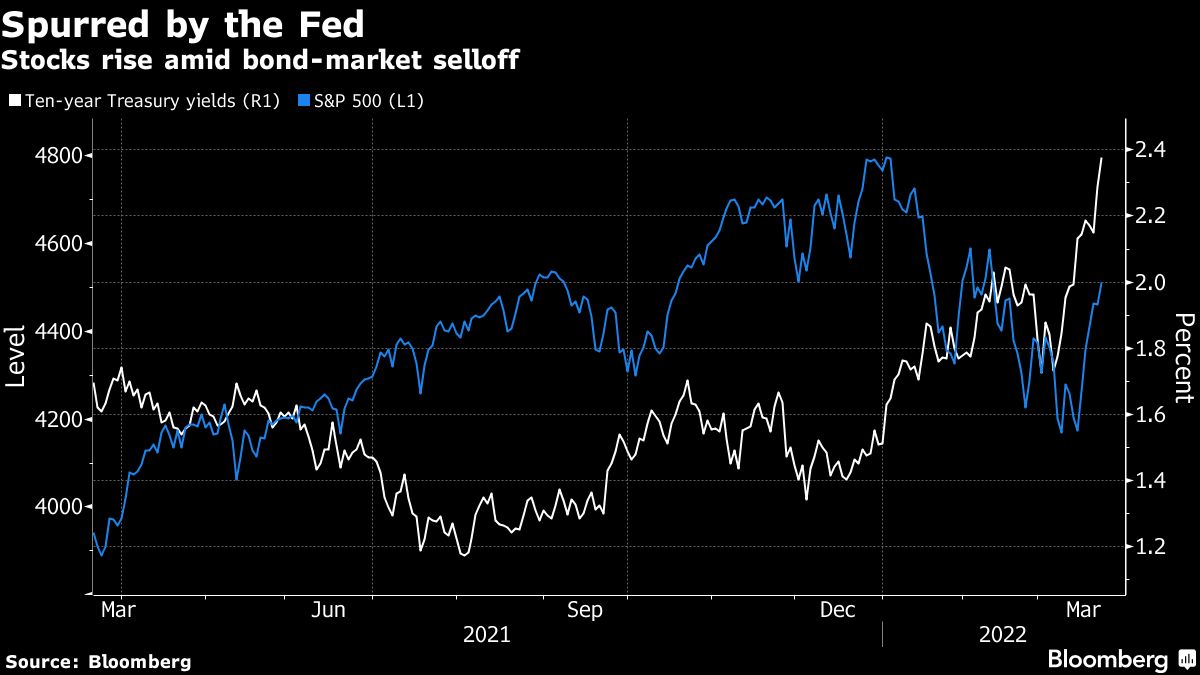
Call them brazen, call them naïve, but stock investors are giving no sign of being daunted by the hottest inflation in decades or the accompanying surge in bond yields. Their boldness has sent analysts in search of ways to explain how the S&P 500 Index has managed to rally in five of the last six sessions, even as the Federal Reserve promises higher rates while war rages in Europe and Treasury rates see the biggest two-day jump in two years.