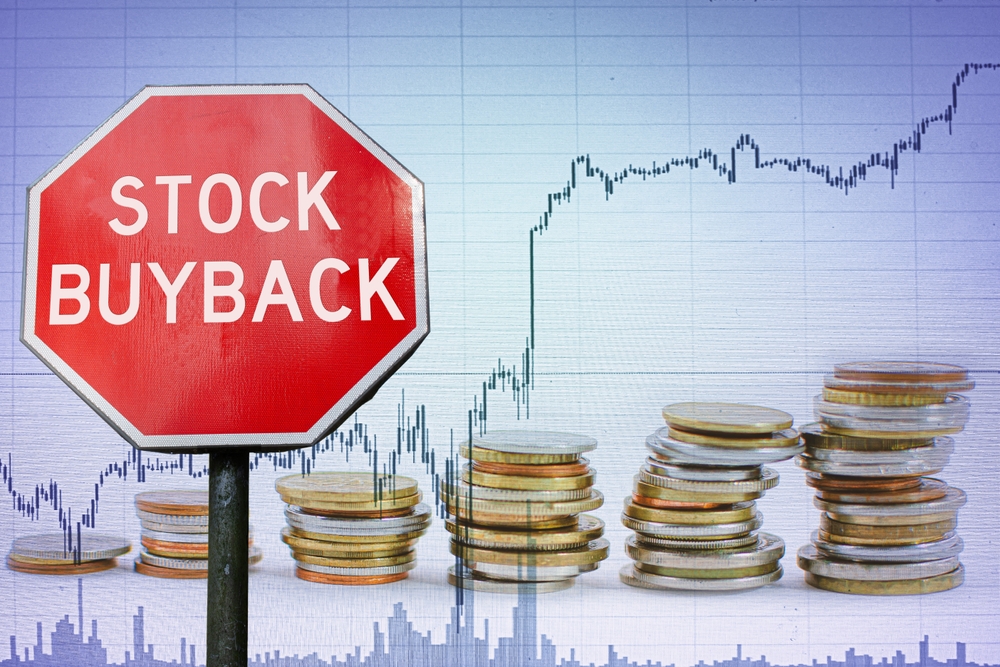
Corporate America is buying back its own shares at a near record pace, despite a new one percent buyback excise tax instituted in 2023. While buybacks are often criticized, they are wonderful for investors – though probably not in the way most people think.
The good news is that President Javier Milei seems to be backing away from plans to dollarize the Argentine economy. That is also the bad news.
What happens when the world’s biggest retailer decides it wants what’s yours? Target is about to find out.
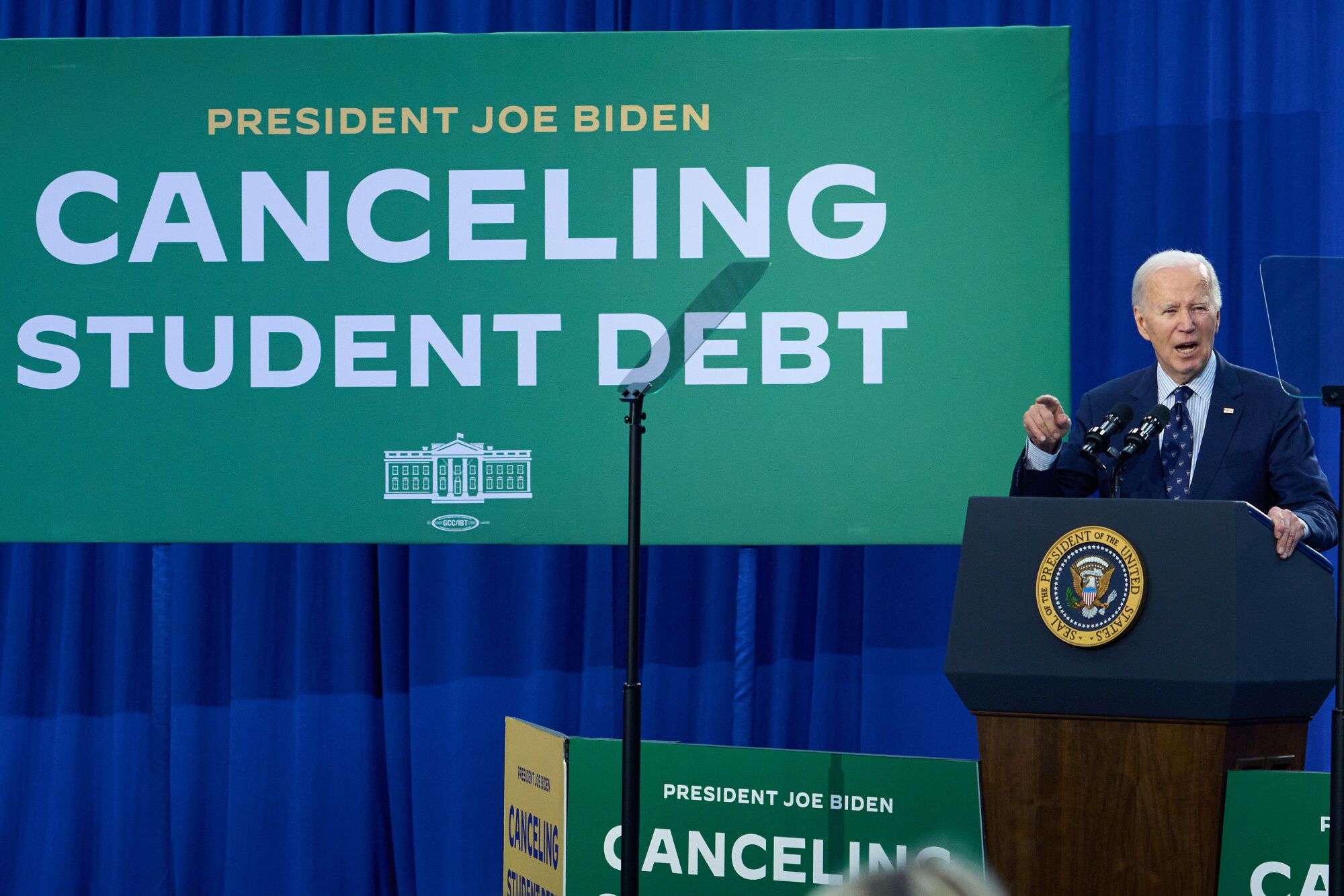
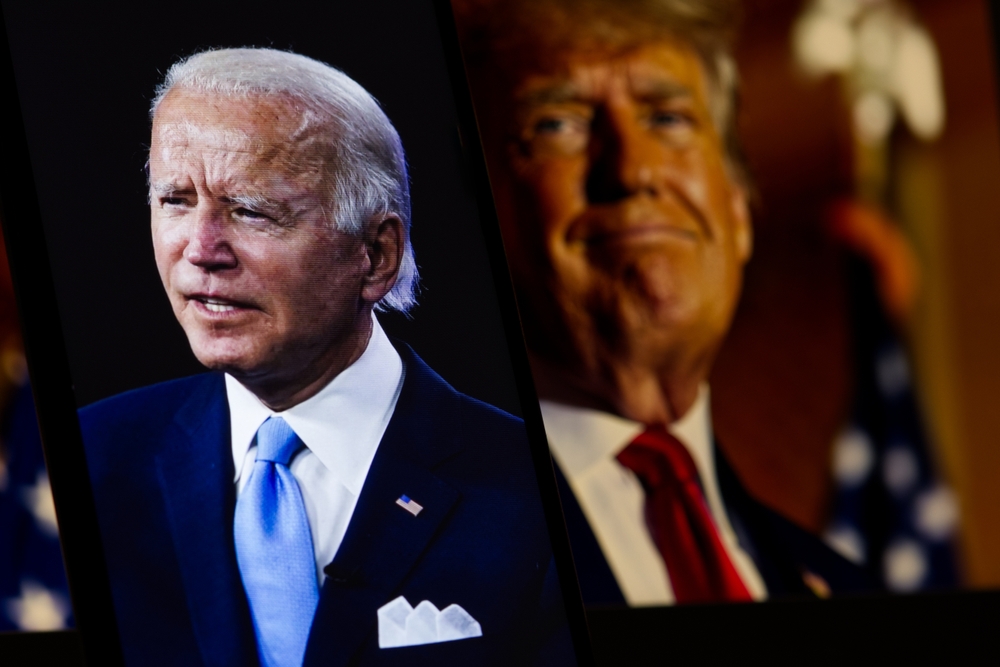
With his signature student-loan-forgiveness plan struck down by the Supreme Court, President Joe Biden is pushing to cancel debts by other means. His latest proposal aims to relieve nearly 30 million borrowers, on top of those who’ve received forgiveness under previous initiatives.
The bankruptcy of Steward Health has become the latest cautionary tale about private equity’s involvement in health care. Cerberus Capital Management’s purchase in 2010 of several Massachusetts-based nonprofit hospitals was meant to be a life preserver for the struggling chain, but instead its woes deepened, compromising patient care.
US university students are up to their ears in debt. And, increasingly, so are many US colleges.
There are two words financial advisors don’t say enough. “I’m sorry.”
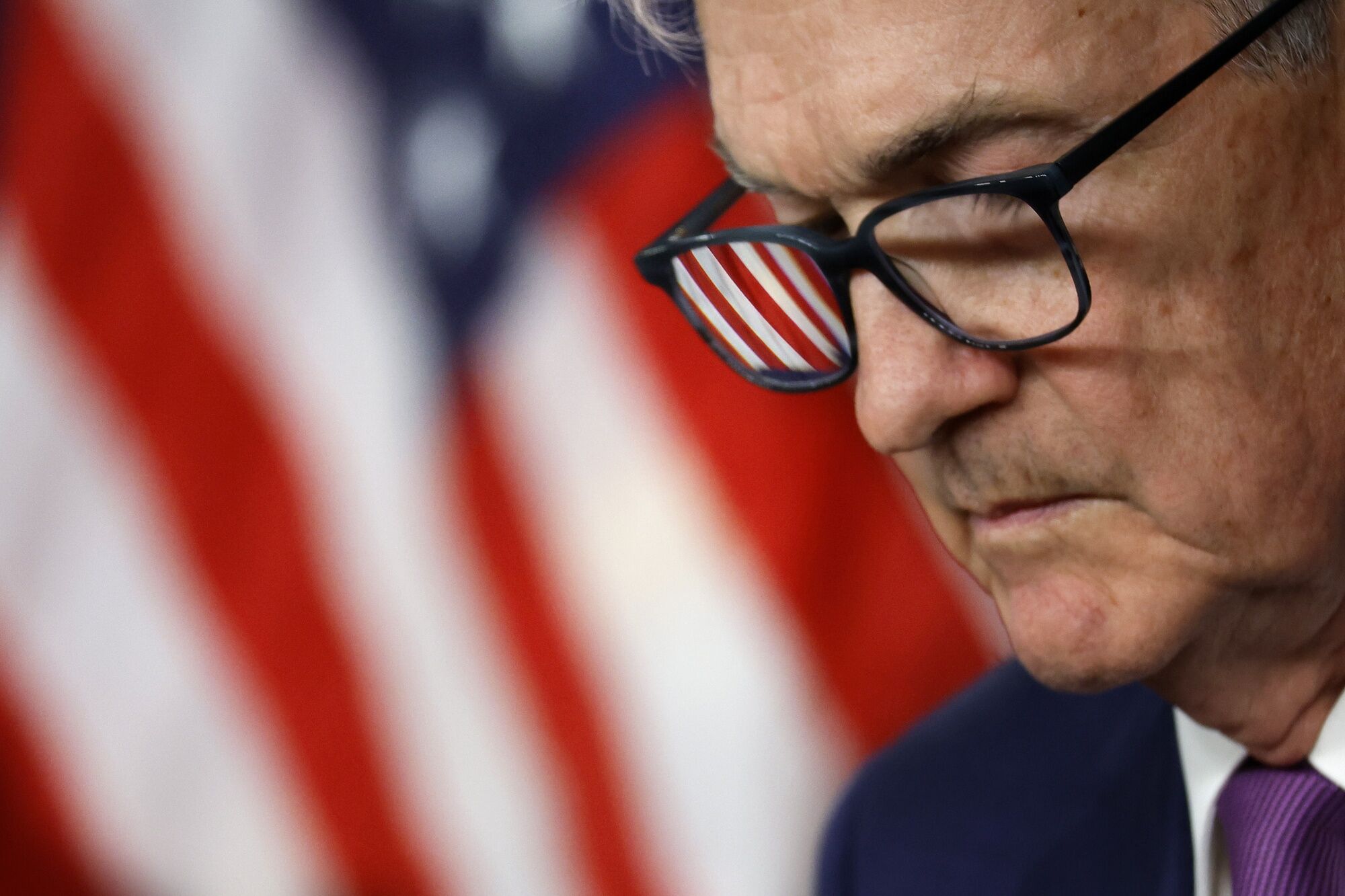
Whether traditionally thought of as “hawks” or “doves,” Federal Reserve officials have recently converged to notable uniformity in their policy signaling of high interest rates for longer. This has come at a time when more Wall Street analysts are embracing a wider band of uncertainty for their projections of economic growth and inflation.
Credit bulls are pointing at a set of metrics to show that high-grade bonds have rarely been this cheap, burnishing the appeal of corporate debt at a time when it’s offering little upside over government securities.
A surprisingly strong earnings season for big tech reaches its grand finale Wednesday afternoon when Nvidia Corp., the artificial intelligence chipmaking giant, reports its results and gives a much anticipated outlook that could set the tone for the second half of the year.
Electric vehicles have swiftly gone from a rare bright spot in the fight against climate change to a cause for concern.
More than one in 10 Americans with federal student loans have been approved for some measure of debt relief under President Joe Biden, the White House said, as it announced a new round of forgiveness.
In this short video, I outline key actions and attitudes for advisor success on LinkedIn, then apply those lessons to one advisor’s profile.
If you want to get someone’s attention and influence their thinking to gain traction with your idea, you need to get into their shoes enough to present a case they can understand and relate to!
Few advisors are prepared for the massive change coming to the advisory profession. It will not be a slow rollout over decades. In three to five years (if not sooner), how advisors do business will fundamentally change.
The goal that was so theoretical in my 20’s had become a reality in my 60’s. I had become financially independent by investing in real estate.
Idanna Appio spent 15 years at the Federal Reserve Bank of New York analysing the history of sovereign debt crises. Now, as a fund manager at the $138 billion First Eagle Investments, she’s reached a conclusion: US Treasury bonds are too risky to hold.
A French artificial intelligence startup, simply called H, has raised $220 million in initial financing from a slew of billionaires and venture capitalists on the promise of building the next generation of powerful AI tools.
Federal Reserve Governor Christopher Waller said he needs to see “several more” months of good inflation figures to begin interest-rate cuts, though recent data suggest progress has likely resumed.
Shadow banking is back. A constellation of less-regulated intermediaries — from insurers to private investment funds — is increasingly taking on the traditional business of banks, making trillions of dollars in risky loans and occupying a central role in the economy.
The consumer price data last week showed a gradual deceleration in housing inflation. Economists expect this will persist for a while as official statistics slowly catch up to moderating market rents.
Losing a sale comes not from failing to educate your prospect on the complexities of their situation. It comes from failing to simplify their problem.
In this article, I summarize some of the most common mistakes I come across when reviewing client agreements and how such mistakes can cost an advisor.
In many ways, the journey involved with reaching the summit of Mount Everest parallels the journey to a secure retirement.
Relative to 18 developed economies since 1870, U.S. leverage is high though not unprecedented. However, unless the recent rise in interest rates reverses, the U.S. will need to cut its debt load.
A global bond rally ignited by signs that inflation in the world’s largest economy is finally slowing once again faces a reality check this week.
When US markets reopen next Tuesday after the long weekend, everything will likely seem normal. It’s only after the close and in the following days that any cracks are expected to appear.
When Thomas Edison wired his own house in Menlo Park, then a tiny village in New Jersey, he fabricated a primitive cable. As insulation he chose a mix of asphalt, linseed oil and beeswax; for the core, copper wire.
Retirement is expensive. If you’re lucky, yours will last a few decades, and you’ll be earning no or very little income. So if you want to have enough money when you retire, you basically have three options: Save more, take more risk with your investments, or work longer.
Geography, it’s often said, is destiny. The paths nations follow though history are written like a script on the patterns of their rocks, rivers, plains and coasts, in ways that often confound the views of the people who inhabit them. It’s rare for a country to escape that geological fate.
One of Wall Street’s most prominent bears has just turned positive on the outlook for US stocks.
Like clockwork, the commodities market worries in May about the strength of oil demand heading into the northern hemisphere summer holiday. Nervousness about the seasonal pickup in oil consumption abounds.
High fees are the main reason the Bridgewater fund and the other hedge funds using a risk-parity strategy performed so badly. Their underperformance relative to the 60/40 index portfolio amounted to about three percent annually. Of that three percent about two percent went to fees and other compensation.
JPMorgan Chase & Co.’s asset management arm has created a new European money market fund focused on public debt, a kind of investment that largely disappeared when interest rates were negative.
Hopes for regime change in Venezuela have surged in recent weeks, the result of a coalescing political opposition and apparent divisions within President Nicolás Maduro’s ruling socialist party ahead of July 28 elections.
The fortunes of Silicon Valley startups rose and fell together like never before in recent years. Partly that was due to the indiscriminate tidal wave of money that washed through venture capital, but it’s also because many business-to-business software startups are closely connected as each other’s customers.
When it comes to Bitcoin ETFs, it’s not just the retail trading crowd that’s taking the plunge. It’s now clear that hedge funds, pension funds and banks have also sprinkled capital into the exchange-traded funds after their blockbuster debut that was more than a decade in the making.
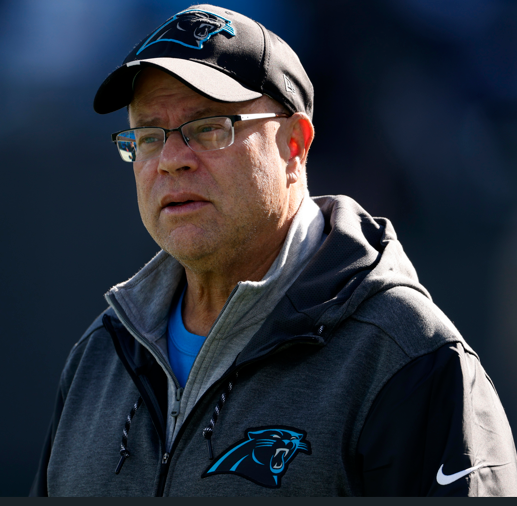
Billionaire investor David Tepper loaded up on beaten-down Chinese stocks last quarter while reducing stakes in high-flying US tech firms, leading hedge fund managers who are slowly warming up to China amid a record gap in valuations between the two markets.
Bitcoin was lumped in with other speculative investments during the run-up of the Federal Reserve’s last tightening cycle, slumping on expectations higher interest rates would damp the appetite for risk.
It’s been close to two years since the Consumer Financial Protection Bureau indicated it was looking to tighten regulations on popular “buy now, pay later” services. Since then, the sector has grown to $300 billion.
Most people have seen robots in human form. The Hollywood version has starred in movies for decades. Now there are videos on the internet of real bipedal robots, whether it’s Elon Musk’s Optimus or the incredibly flexible two-legged robot from Boston Dynamics. Agility Robotics has one with legs that bend back at the knees like a flamingo.
For more than two decades, a simple handshake has shaped how people find information online. It works like this: Websites allow Google’s web crawler to index their content so it can appear in search results.
Everyone is worried about the excessively high level of US government debt. Everyone, that is, except America’s creditors.
The rise of electronic trading and growing popularity of portfolio trading has had an unintended consequence for the US corporate bond market: making private credit even more attractive.
BlackRock Inc.’s Rick Rieder has some advice that bucks conventional wisdom: The best way for the Federal Reserve to temper inflation will be to lower rates, not hold them higher.
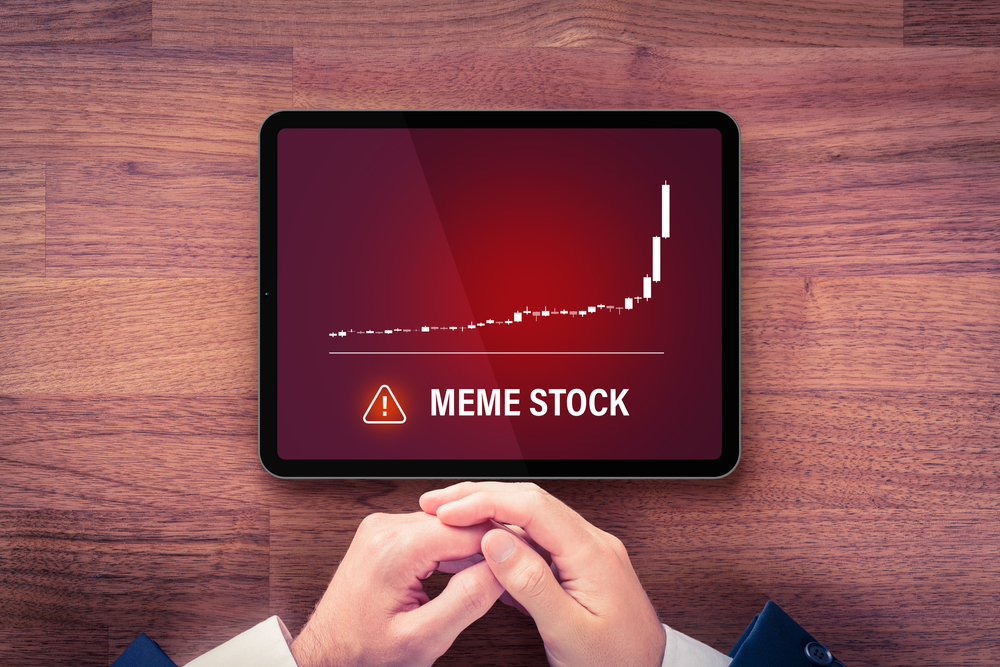
This week’s meme-stock pop is a sign that US equity markets are frothy and potentially peaking, according to the latest Bloomberg Markets Live Pulse survey.
Gold’s record-setting rally may have captured the headlines this year, but it’s silver that’s running harder and faster as the less glamorous metal benefits from robust financial and industrial demand.
Huge news from the markets today: The Dow Jones Industrial Average hit 40,000 points for the first time. The number is splashed across financial news sources the world over (including Bloomberg), even though the index closed back below the threshold by the end of trading.
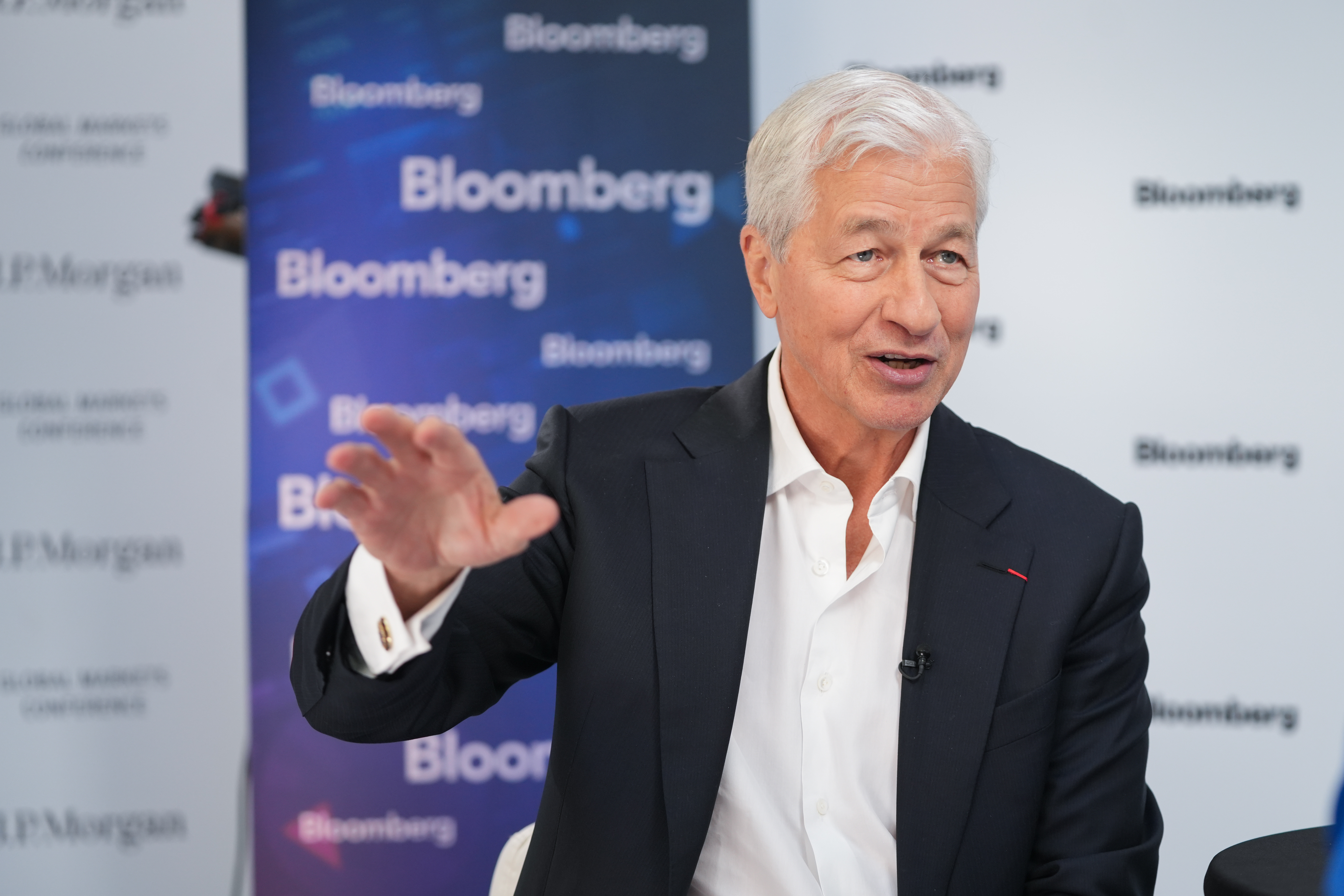
The JPMorgan Chase & Co. chief executive officer said significant price pressures are still influencing the US economy and may mean interest rates will be higher for longer than many investors are expecting. Dimon cited costs linked to the green economy, re-militarization, infrastructure spending, trade disputes and large fiscal deficits.
New US home construction rose by less than forecast in April and permits for new activity dropped, suggesting the recent rise in mortgage rates is giving builders pause.