Meta Platforms Inc.’s efficiency-obsessed investors don’t like to see the company spend money. Unless — and this will shock you — it’s going into their pockets.
For several months, I have pushed back against the market expectation that the Federal Reserve’s cycle of interest-rate cuts would start as early as March.
When it comes to financial markets, nothing is certain. For much of the last few decades, however, it was easy to convince yourself otherwise: Interest rates mostly went in one direction, down, and high inflation was a thing of the past.
Less than a month after the debut of spot Bitcoin exchange-traded funds, the asset managers offering the investment vehicles appear to be seeking ways to bolster their own profitability.
Meta Platforms Inc. and Amazon.com Inc. soared in pre-market trading Friday after delivering quarterly earnings and outlooks that far exceeded Wall Street’s expectations.
Treasury yields tumbled Thursday as a second day of declines for US financial stocks led traders to price in a more rapid pace of Federal Reserve interest-rate cuts.
For Tesla Inc., being the tenth most valuable company with the greatest market capitalization and fastest growing profitability of any maker of cars and trucks, is seemingly atrocious.
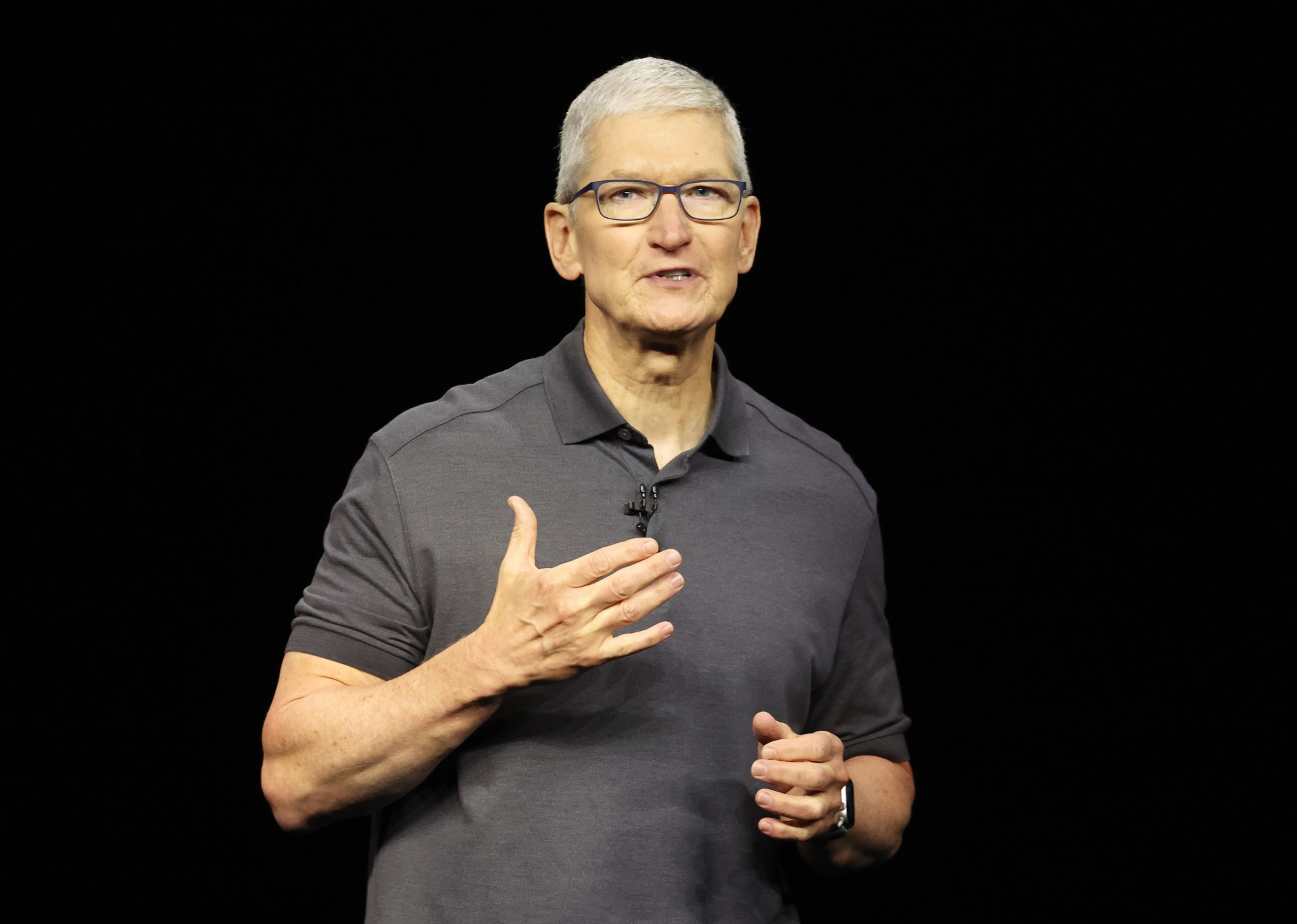
As the market prepares for Apple Inc.’s earnings on Thursday, all I can think is this: Chief Executive Officer Tim Cook has problems. Plenty of them.
The inflation problem is largely behind us, and most signs suggest that Federal Reserve policymakers know it. So why didn’t they just go ahead and cut rates on Wednesday instead of leaving their target range at 5.25% to 5.5%? Why wait until March or (more likely) May?
One of Wall Street’s most prominent bears is now expecting gains in the US equity market to broaden into less loved corners than the big tech companies that have dominated the rally so far.
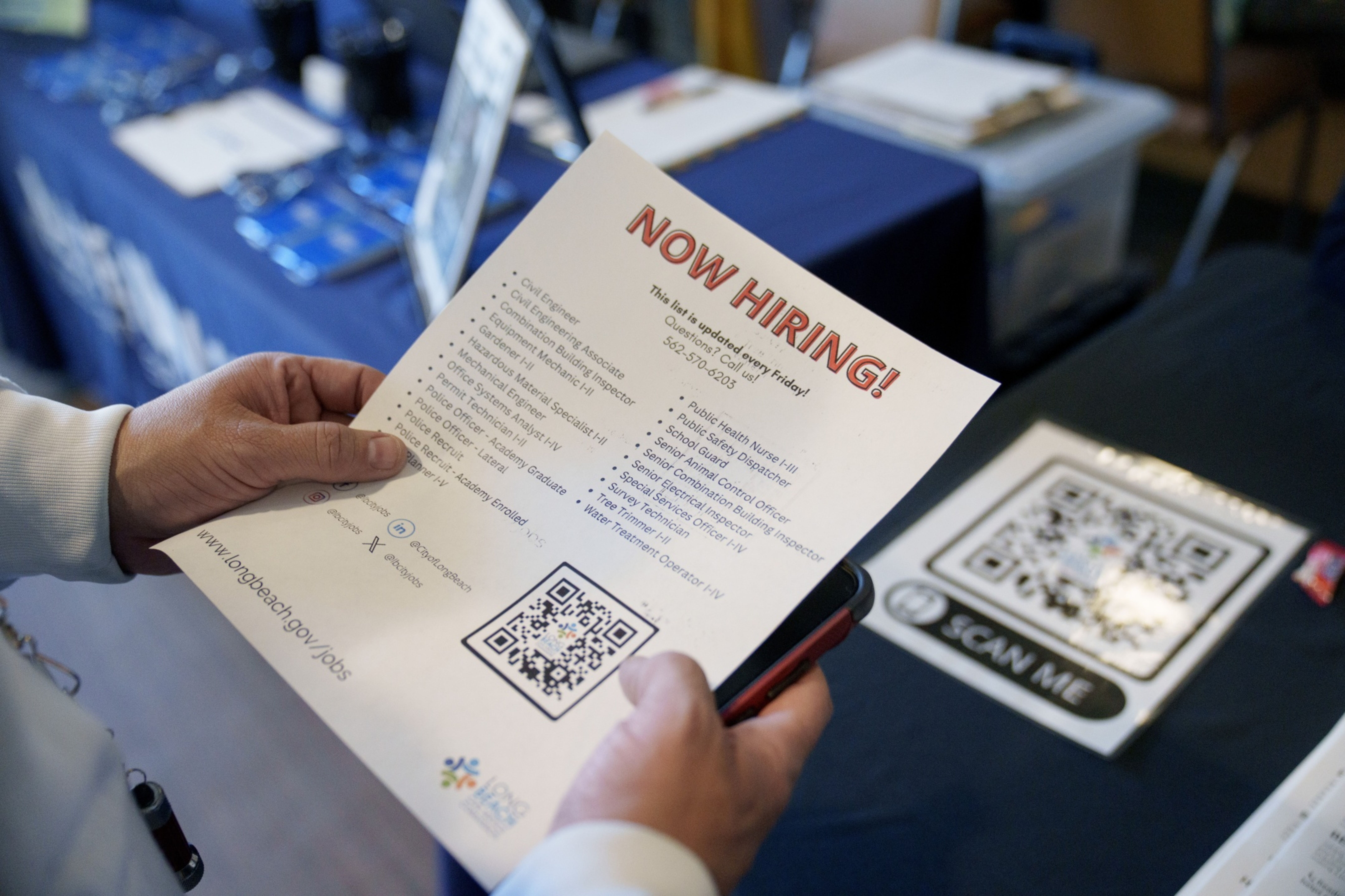
Initial and recurring applications for US unemployment benefits both rose to a two-month high, suggesting some slowdown in the labor market.
Big Tech’s struggle to meet lofty investor expectations this earnings season has taken air out of a record-breaking stock run. Pressure is now on Apple Inc., Amazon.com Inc. and Meta Platforms Inc. to come through on Thursday.
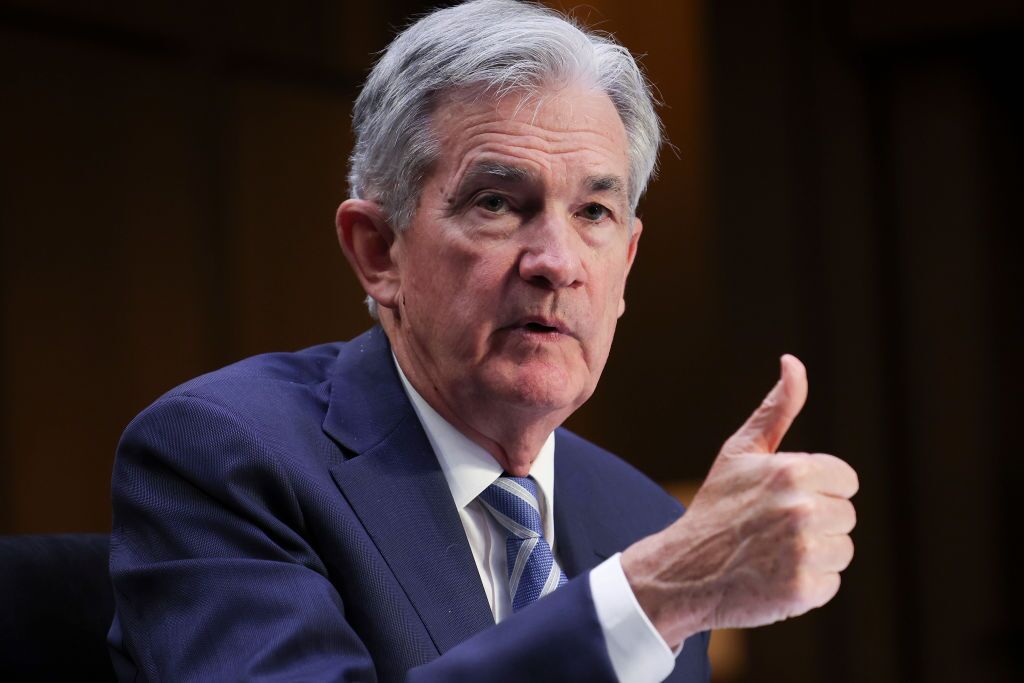
Jerome Powell delivered a clear message to traders eager for the central bank to start slashing interest rates: Not so fast.
We move on to the recent inflation that was kicked off by the pandemic. This summary allows us to appreciate better the similarities and differences between now and 50 years ago.
If artificial intelligence is going to live up to the hype, Goldman Sachs analysts said recently, the excitement stage of AI needs to shift drastically this year into a period of meaningful deployment.
Picture the scene: Weeks after the world came together at the COP28 summit with a deal for “transitioning away from fossil fuels,” Saudi Arabia, the oil industry’s flagship producer, cancels a planned increase in its crude output capabilities. On paper, it’s the stuff climate activists dream about.
Economic growth in the US is off to a better start than expected this year, thanks largely to a long-awaited pickup in consumers buying “stuff” again after they shifted spending to experiences in 2022.
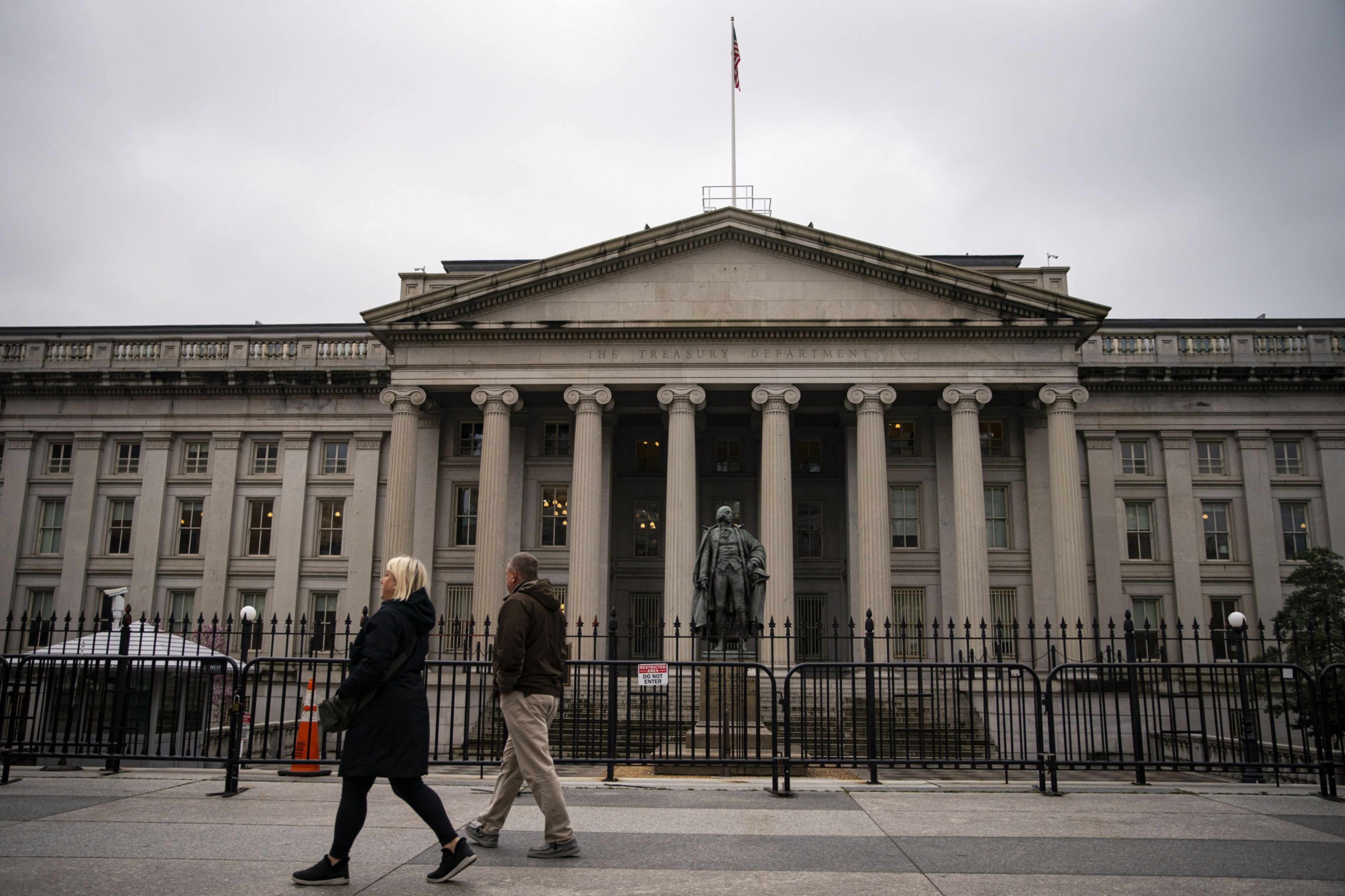
The US Treasury boosted the size of its quarterly issuance of longer-term debt for a third straight time and suggested that no more increases are likely until next year.
Microsoft Corp., Alphabet Inc.’s Google and Advanced Micro Devices Inc. — three companies working harder than nearly anyone to weave artificial intelligence into their products — are finding that investor expectations for the technology are hard to meet.
Trading in bonds these days means having to put up with more frequent market gyrations — and that’s just fine with big investors like Pimco and BlackRock Inc.
I’m running a large firm, but one of my weaker members is my son.
Regulatory conflation between financial advice and investment advice detrimentally impacts how financial services are delivered to our citizens.
Healthy profit margins matter for your practice and your clients. Here are tips you can use to boost your profitability.
If you aren’t familiar with neurofinance, this article will be an eye-opener.
Given the interplay of economic data, cognitive biases, and political agendas, it’s no wonder that our views on inflation are complex and may not reflect economic reality.
When it comes to identifying poor financial well-being, outside appearances don't give you any clues.
Lenders in the world’s two most-populous nations are having very different problems with monetary and fiscal taps. In China, creditors are drowning in cheap central bank cash, but loan demand is muted. In India, banks are in the middle of their fastest expansion in a decade, but they’re parched for liquidity.
There’s a reason the social network has taken so long to go public: There’s a good chance it might all fall apart.
A comfortable retirement is supposed to be the culmination of the American dream, yet far too many actual Americans are falling short of achieving it. In the spirit of fan fiction, I'd like to set up a better ending.
Is prospecting (in the traditional sense) still a relevant and applicable concept for selling?
The latest economic data for the US are better than most dared hope a year ago. Inflation has fallen much faster than the Federal Reserve expected, and so far without the abrupt economic slowdown and higher unemployment that many economists thought likely.
Investors’ lingering fears of recession have prompted Wall Street banks to hawk a complex hedge: exotic options that pay off if stocks fall and bond yields also drop.
Here’s how you can use video to build relationships with clients and prospects.
The stock market’s rally to record highs heading into this week’s Federal Reserve meeting has some of Wall Street’s biggest optimists growing concerned that the good vibes are sending a contrarian signal.
Wall Street is widely expecting the US Treasury to announce a final increase to its sales of long-term debt this week, after a steady ramp up in supply that’s sometimes tested buyers’ appetites for funding a widening budget deficit.
Last July, I issued an open letter to the annuity industry requesting the introduction of a product to meet the needs of independent advisors who adhere to a safety-first, goals-based investing philosophy. That call has been answered.
Advisor Perspectives recently asked its community they are recommending the new spot bitcoin ETFs. Many made incorrect statements in their efforts to justify their opposition.
Much discussion of economics since the publication of Thomas Piketty’s book has indeed been influenced by his data and analytic framework.
I provide a high-level overview of the various stages of an RIA merger, sale, or acquisition transaction and detail key considerations for buyers and sellers during each stage including a discussion of the key legal documents.
What does a November 2023 hockey bet have to do with the 2008 financial crisis and the Chunnel connecting England to France? A lot, and the relation is key to understanding financial disasters — not to mention getting paid for longshot sports bets and getting from London to Paris safely.
There’s a price to pay for all the generative AI tools that professionals are using to make themselves more efficient. It’s not just a subscription fee to OpenAI, Microsoft Corp. or some other AI company — it’s their privacy too.
Value investing is the lens through which many view financial markets. Yet, a simple value factor has performed poorly for the last 16 years. Is the value effect over, or will it come back in 2024?
The number of studies showing the success of universal basic income programs continues to mount. The latest comes from the Federal Reserve Bank of Minneapolis, which recently released its initial report on a pilot project designed to test the feasibility of so-called UBI.
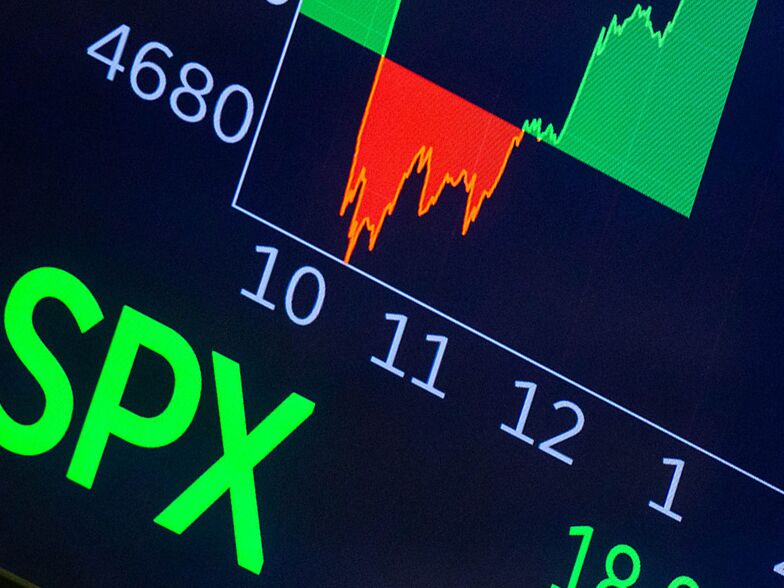
Investors wondering where the S&P 500 is headed, at least for the next month or so, will want to pay attention to three key days this week.
What denomination of coin will you spend two seconds to pick up?
Capital spending by US manufacturers will probably cool in 2024 after a banner year of investment in plants as still-elevated borrowing costs and demand concerns temper a lingering desire to upgrade operations.
Bond traders looking for something to jolt the $27 trillion Treasury market out of its recent rut will probably still be left waiting for answers, even after a busy week packed with a Federal Reserve meeting, the government’s quarterly debt-sale plans and a slew of economic data.
One of last year’s best wagers in emerging-market debt is getting a fresh boost from bets the Federal Reserve will finally begin cutting interest rates.
Henceforth, no company should ever say they are experiencing a slowdown. Tesla Inc. has redefined this experience as being “between two major growth waves.”
The Federal Reserve’s preferred gauge of underlying inflation rose at the slowest annual pace in nearly three years while consumers spent at a robust rate, keeping the debate alive as to whether officials will soon cut borrowing costs.