More than two years and over 500 basis points later, the Federal Reserve (the “Fed”) has executed one of its most aggressive monetary policy moves in decades, bringing the Federal Funds rate (the rate that banks charge each other to borrow or lend excess reserves overnight) to a current target range of 5.25%-5.5%.
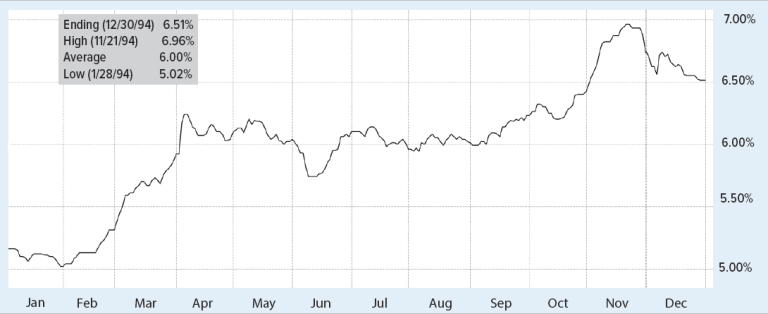
Current federal monetary policy, fixed income returns and economic landscape appear to closely parallel the bond bear markets in the 1990s.
The primary benefits offered by municipal bonds are generally well known to investors.
Mutual fund managers evaluate many characteristics of potential investment opportunities.
Although there are several versions of the American Jobs Plan at this point, nearly all include a provision to refurbish the nation’s crumbling infrastructure, including roads, bridges, public transit, airports, clean water, rail, and ports.
Taxable Municipal Bonds grabbed the attention of not only municipal bond market participants in 2020, but also of investors and financial professionals globally across the asset class landscape.
The recent price changes in the municipal bond market have potentially created an intriguing opportunity for investors; with municipal bonds selling at relatively enticing yields, even without considering the tax benefits. However, this market is likely to be short lived as investor behavior is stabilizing.
The art and practice of picking individual municipal bonds can be a lot like picking apples. Finding great values or a real gem is primarily a function of market conditions and variety.
One of the challenges municipal bond investors face when navigating the municipal bond market on their own, is accessing bonds in the new issue market. The advent of retail order periods for some larger issues has improved retail access.
Many Americans are anxious to find out what the Tax Cuts and Jobs Act of 2017 (TCJA) means for their 2018 filings, and early returns being filed now are giving us some clues.
With two hurricanes recently making landfall in southern states, only eleven days apart and inflicting what may be as much as $230 billion in damages, the potential impact to municipal credits is on investors’ minds.