A strong economic rebound is expected towards the middle of the year, followed by a return to more normal growth in 2022.
Are proposed fiscal policies and student debt forgiveness too much of a good thing?
The Northern Trust Economics team shares its outlook for the U.S. economy.
Any surge in inflation will likely not last for long, but Italy's economic troubles and the shift in rental markets may endure.
Emerging markets seek a sustainable solution to debts, and the Fed takes a step toward sustainability.
Faster vaccination and bigger stimulus can pave the way to a better year, and agriculture subsidies upset trade relationships.
The Senate outcome opens the door to future cooperation, while Brexit sets the stage for future frictions.
A variety of data sources show we are closer to normal, but not fully recovered.
From global responses to local lockdowns, we all witnessed dramatic changes in 2020.
Promising developments surrounding vaccination give us hope that 2021 will be a better than year than the one that is about to end.
Brexit negotiations had another unproductive week. Parcel shipping volumes are breaking records. And when and why might the Fed alter its asset purchases?
While some indicators are slowing, we are optimistic for a better year ahead.
Yellen is a good candidate for a tough job, and we review the outlooks for U.S. holiday spending and trade in Asia.
Recovery from COVID-19 has been a mix of successes and setbacks.
Fair trade over free trade will remain the theme in Washington.
The Northern Trust Economics team reviews the outlook for developed markets facing COVID-19.
The Northern Trust Economics team forecasts the U.S. economy’s continued recovery.
The 2020 election dims the outlook for major legislation and aid to local governments, while central banks face the risk of a liquidity trap.
Our election 2020 coverage concludes with a look at the nation’s physical and human capital.
Fostering immigration, encouraging family expansion, and stopping COVID-19 are tough problems with no easy solutions.
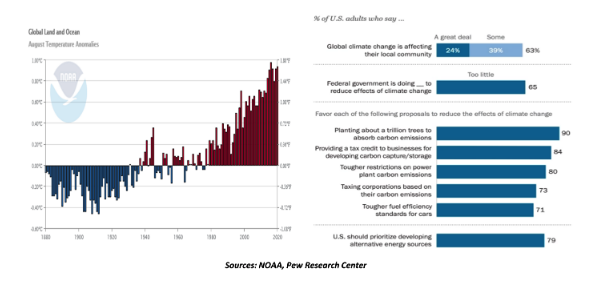
The environment is one of many sets of regulations under consideration.
With COVID-19 cases rising and policy support fading, the recovery faces many risks.
U.S. Healthcare Reform Proposals, Childcare Needed to Support Workers, Past U.S. Debt Recovery Won’t Repeat.
Our election 2020 coverage begins with fiscal policy, security risks that are slowing foreign investment, and legislative standstills.
Brexit takes an uncertain turn, while the Fed seeks loan borrowers and parents welcome adult children back home.
In recent years, global equities had slightly outpaced market forecasts for lower equity returns. Then the COVID-19 pandemic hit the global economy, putting an end to the 10-year bull market. Equity markets have now started to recover, but the pandemic introduced and exacerbated challenges that we expect to subdue financial market returns over the next five years.
Breakout inflation is not our top concern. Europe explores support for national champions, and the U.S. unemployment rate masks some fragility.
The Northern Trust Economics team forecasts the U.S. economy’s recovery from COVID-19.
The Fed’s strategic review added to a bevy of policy research revealed last week.
The Kansas City Fed’s annual Monetary Policy Symposium at Jackson Hole is a signature event for those of us who follow central banks. The conference typically doesn’t generate much front-page news: the subject matter is usually more technical and conceptual than a broad audience would appreciate. But 2020 is not a typical year.
The Fed’s new take on inflation was a long time coming, while Japan’s downturn drags on and U.S. housing stays strong.
The lodging industry illustrates a panoply of pandemic problems; and keeping people in their homes will be key to economic recovery.
Washington’s inaction on a fiscal deal and action on tariffs are both perplexing, while schools face complicated choices.
The Northern Trust Economics team forecasts the U.S. economy’s recovery from a record-breaking decline.
COVID-19 causes growth in government debt, liability risks, and stress for women.
How will our lives change during and after the pandemic? Let’s start with a look at education, medicine, automation, broadband access, city living and cash.
Gold has been on a tear over the last year, rising 32% while global equities have languished. A common objective of gold is to hedge against some type of risk. This paper shows how gold can reduce downside risk during big down markets, but isn’t the most effective inflation hedge.
The U.S. and EU deliberate how to disburse aid, China’s recovery carries risks, and U.S. mortgage rates find a floor.
Automatic stabilizers prevented an economic breakdown, while trains are running empty and money stays parked.
The first wave of the economic recovery has generally exceeded expectations, but the recent surges in COVID-19 cases could deliver a setback.
COVID-19’s path is evident everywhere we look: spending, saving, staffing, sentiment, and sports.
The journey to a full recovery will be a long one, but at least we’ve taken some initial steps.
The challenges keep mounting for global trade, unemployed workers, and banks.
More infections lead to more worry, while the commercial real estate and tourism sectors are put to the test.
Banks undergo a true stress test, smartphones measure movement, and poverty may rise.
Why did unemployment fall? Why is Brexit proceeding? And why did so much food go to waste?
Economic data shows mild improvement, but the road to recovery will be a long one.
Economic factors are motivating recent protests and changes to supply chains.