Search Results
The World Economy After the Trump-Xi Summit
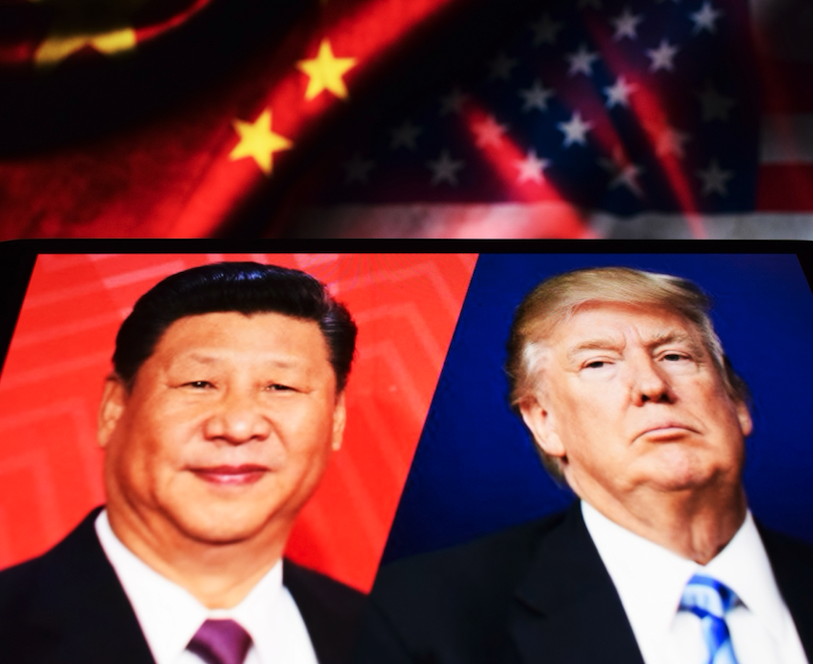
If Donald Trump and Xi Jinping's Beijing summit produces a sustained Sino-American trade truce and a path to reopening the Strait of Hormuz, that will give the world economy something it has lacked for the past year and half: a reduction in tail risks. In a year when so much has gone wrong, that is a welcome prospect.
Jerome Powell’s Mixed Legacy
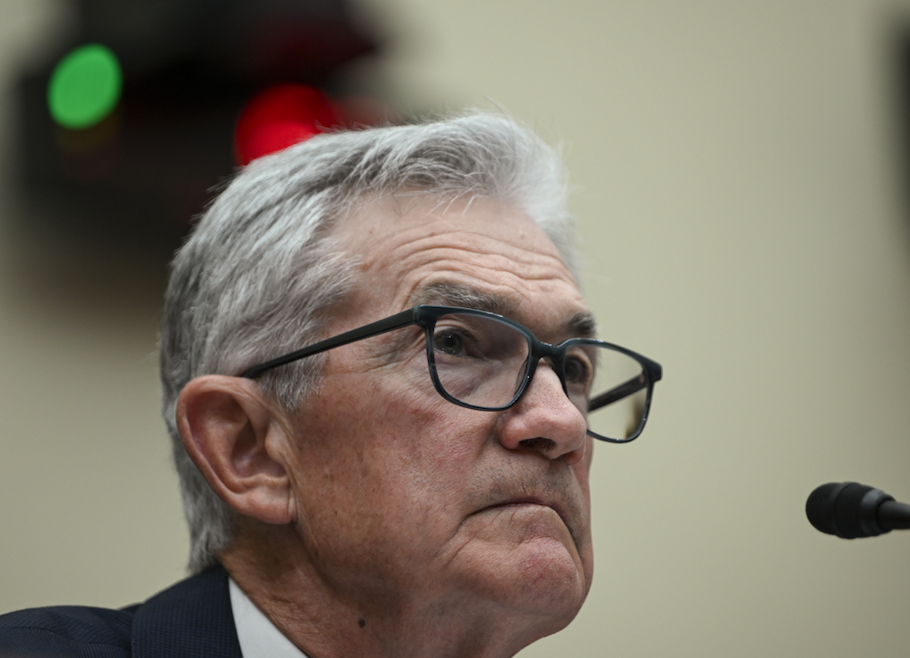
By remaining on the US Federal Reserve board of governors after the end of his term as chair, Jerome Powell can keep the focus on his widely celebrated role as the “defender of the Fed.” But if that allows him to sideline substantive criticism of Fed policy during his tenure, the institution may suffer for it.
How to Future-Proof the Global Economy
The backlash against globalization, the slow death of the Washington Consensus, and the rapid rise of AI are fueling volatility that, if left unchecked, will lead to lower growth, higher inflation, and greater inequality. To move the economy onto a better path requires, first and foremost, abandoning our faith in outdated ideas.
America Should Beware of Economic Hubris
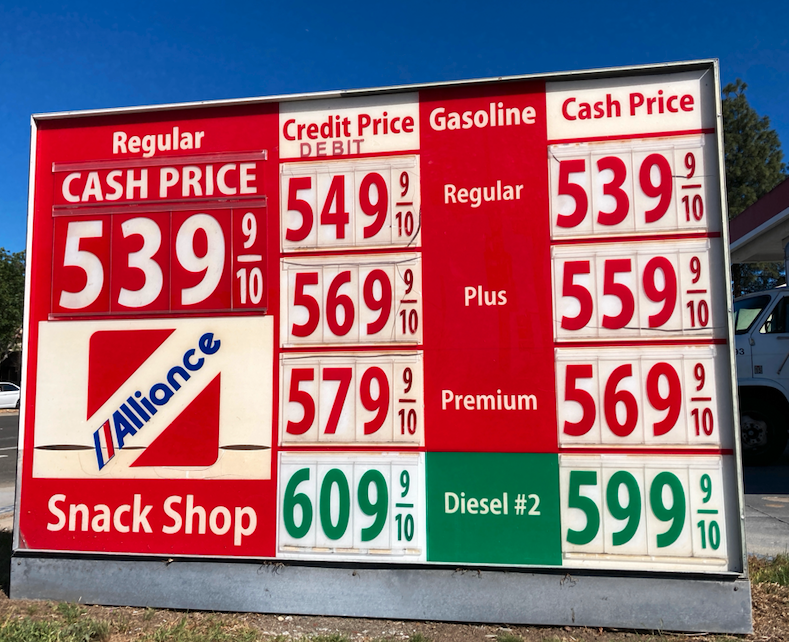
Even if the US economy continues outperforming its peers, it will not necessarily remain insulated from the Iran war’s adverse spillovers. Already, higher energy and borrowing costs are exacerbating the affordability pressures many Americans face, creating downside risks for jobs, consumption, and growth.
Why AI Is Unlike Previous Tech Booms
The rise of AI follows a fundamentally different competitive logic than earlier technological revolutions. With massive capital requirements, high operating expenses, low switching costs, and intensifying regulatory scrutiny, success will depend less on scale and more on financial resilience and political influence.
The 2026 Outlook Calls for Recalibration
The bullish AI narrative that dominated in 2025 is unlikely to continue overshadowing other lingering uncertainties, many of which reflect deeper structural shifts. Traditional factors underlying economic activity will be increasingly sidelined by national-security concerns, geopolitics, and domestic political machinations.
Beware of Central Economic Forecasts for 2026
In statistical terms, the coming year will offer a multi-modal distribution of possibilities: a plausible path of robust, AI-led growth sits in the middle, flanked by a productivity miracle on one side and a risk-laden, bond-market-led downside on the other. Investors and policymakers must prepare for all of these outcomes.
Get Ready for an Overdue Fed Overhaul
US Federal Reserve officials would rather “stick to their knitting” than confront the complex forces that are reshaping the economy. Unless the next Fed chair shakes the institution out of its complacency, continued policy-induced volatility and intensifying political attacks are all but guaranteed.
Why the US Economy Has Remained Stronger Than Expected
Although most economists have issued dire warnings about the damage tariffs and other ill-advised policies would cause, the US economy’s aggregate indicators have remained quite robust. Some of the costs may simply have been postponed, but rapid advances in AI could well offset them when they fall due.
The AI Bubble’s Shaky Math

Today’s massive and still-growing investments in AI and its accompanying infrastructure could well pay off like the internet did, following the investment boom of the late 1990s. But, for now, the gains from AI look more muted, and the macro downsides larger, than in the case of the dot-com bubble.

In Search of the AI Bubble’s Economic Fundamentals
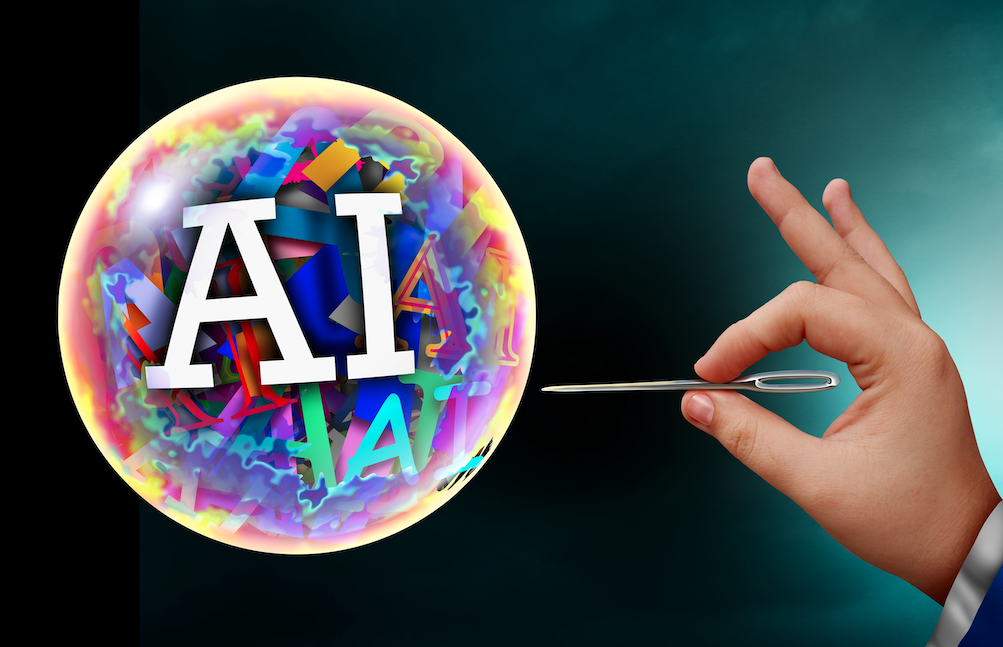
The rise of generative AI has triggered a global race to build semiconductor plants and data centers to feed the vast energy demands of large language models. But as investment surges and valuations soar, a growing body of evidence suggests that financial speculation is outpacing productivity gains.
Argentina Is on a Path to Economic Success

While many commentators have criticized Argentine President Javier Milei's draconian approach to economic reform, the results of the October legislative election show that the Argentine people would prefer short-term economic pain over a return to Peronist policies. Milei now has a clear path to finish what he started.

Rethinking Development in an Era of Upheaval

Developing countries have navigated a changing world order relatively well so far. But to maintain this positive trajectory, they must create conditions that enable them to exploit the new opportunities created by AI, and multilateral institutions like the World Bank must support them in this multiyear effort.
Currency Dominance in the Digital Age

As digital technologies become the rails upon which money moves, the resilience and credibility of currency networks increasingly hinge on the integrity of technological infrastructure. This fundamentally changes the logic of monetary competition, with far-reaching implications for financial and geopolitical stability.
How AI Will Disrupt Big Tech

AI is advancing at an astonishing pace and undermining the core businesses of tech giants like Google, Microsoft, and Apple. But it is not only transforming the applications we use; it is also reshaping the very process of software development, threatening to render much of today’s tech sector obsolete.
Where Is US Economic Policy Taking Us?
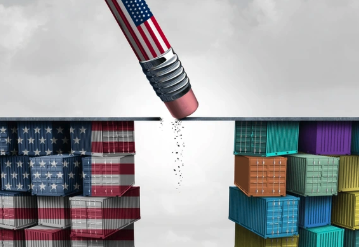
With US economic policies driving financial and economic volatility and rousing the bond vigilantes, it is an open question whether we are witnessing the fragmenting of the international order, or just a bumpy ride toward a beneficial overhaul. Five factors could clarify the answer.
China Can’t Spend Its Way Out of Trouble

China’s prolonged reliance on fiscal stimulus has distorted economic incentives, fueling a housing glut, a collapse in prices, and spiraling public debt. With further stimulus off the table, the only sustainable path is for the central government to relinquish more economic power to local governments and the private sector.
What Trump’s Tariff Critics Are Getting Wrong
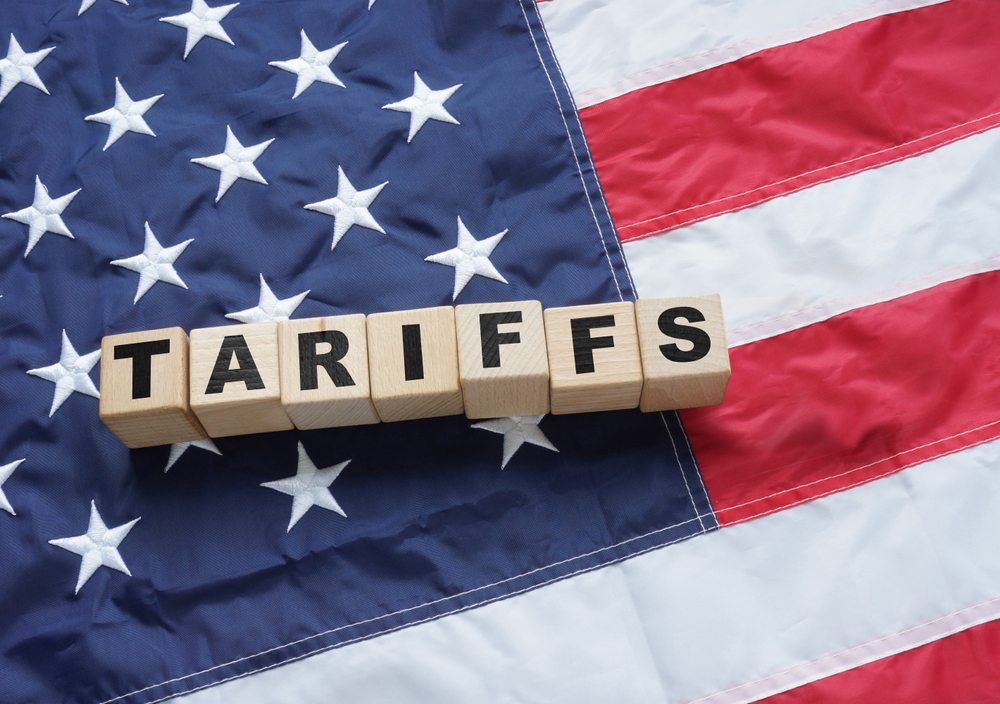
US President Donald Trump’s focus on “reciprocal tariffs,” rather than balanced trade, does not suggest that his administration intends to use tariffs strategically to cut the country’s chronic trade deficit. But Democrats must stop dismissing outright a policy tool that they themselves embraced under Biden.
The US Needs Stablecoin Legislation Now
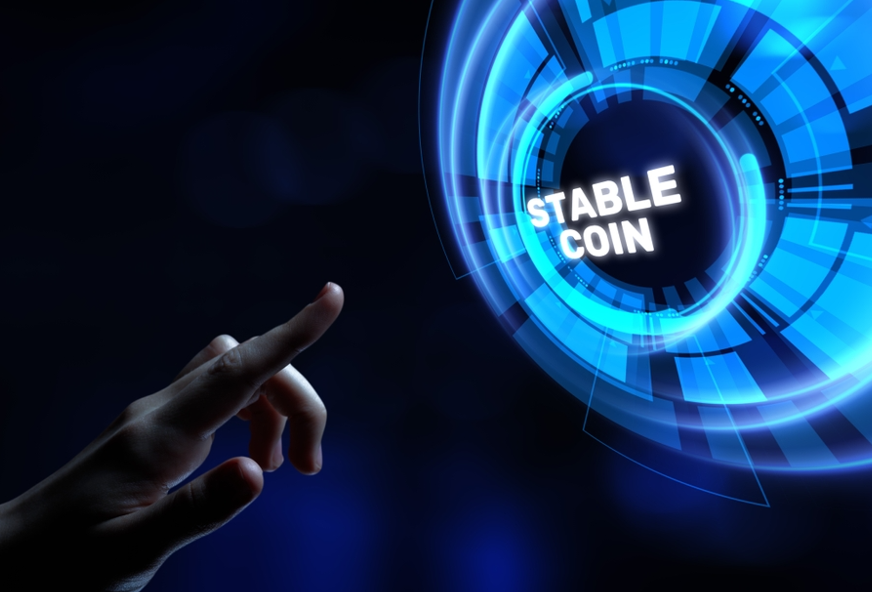
Without a robust regulatory framework that incentivizes stablecoin issuers to register in the United States, stablecoin activity will migrate to countries with weaker rules, increasing the likelihood of financial instability. Fortunately, the US can still head off these risks and reap the technology’s benefits.
How Trump Can Achieve Sustained Growth
Above-target US inflation and a strong labor market reflect robust economic fundamentals. But the biggest risks to the US economy’s continued growth are Donald Trump’s erratic communication and, perhaps more importantly, his populist trade and immigration policies.

Shock-Proofing the UK Economy
No country wants external developments to drive up its borrowing costs and weaken its currency, which is what the UK is facing today, together with serious cyclical and structural challenges. But if the British government responds appropriately, recent market volatility might turn out to have a silver lining.
Will Trump Fire the Fed?
Despite Donald Trump’s assurances that he will not seek to remove Federal Reserve Chair Jerome Powell, there is little doubt that the US president-elect aims to gain greater influence over the Fed’s decision-making. Such interference could drive up long-term interest rates, damaging the American economy.
The US Economy’s Trust Deficit
In a complex economy, agents must rely on intermediaries – including the traditional media, government, or experts – to close information gaps, anchor beliefs, and determine equilibrium. But this process can work only if the intermediaries are trustworthy, and many Americans are not convinced that they are.
China’s Struggles with a Consumer Society

The modern Chinese political system emphasizes stability and control, qualities that enabled the country to become the world’s “ultimate producer.” But these qualities imply tight control over social norms and individual behavior, and they are far less applicable to official efforts to boost household consumption.
Our AI Near-Future

Although AI has great potential to bring exciting changes to education, art, medicine, robotics, and other fields, it also poses major risks, most of which are not being addressed. Judging by the response so far from political and other institutions, we can safely expect many years of instability.
Europe’s Economy Is Stalling Out
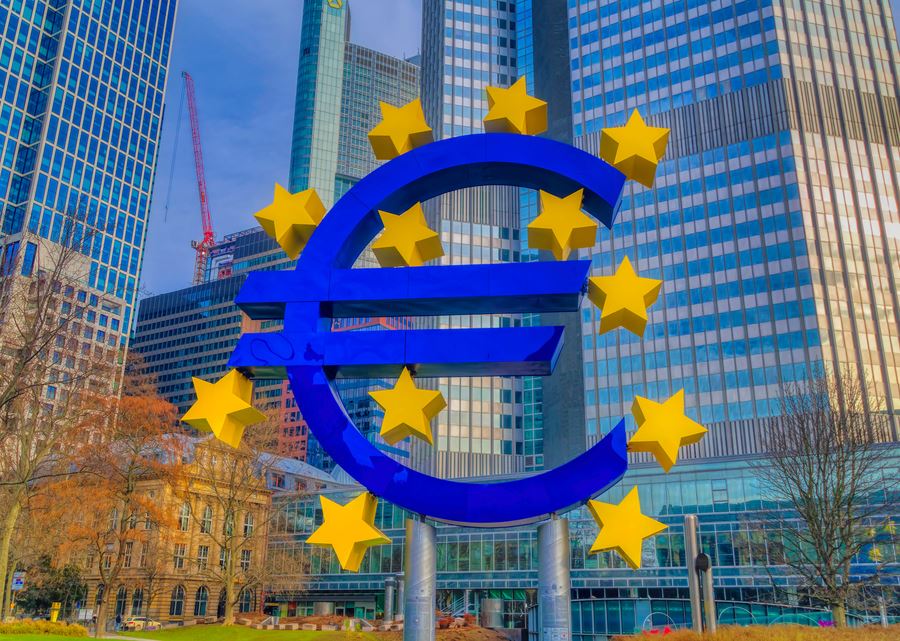
As Germany and France head into another year of near-zero growth, it is clear that Keynesian stimulus alone cannot pull them out of their current malaise. To regain the dynamism and flexibility needed to weather US President-elect Donald Trump’s tariffs, Europe’s largest economies must pursue far-reaching structural reforms.
Are Tariffs Worth It?
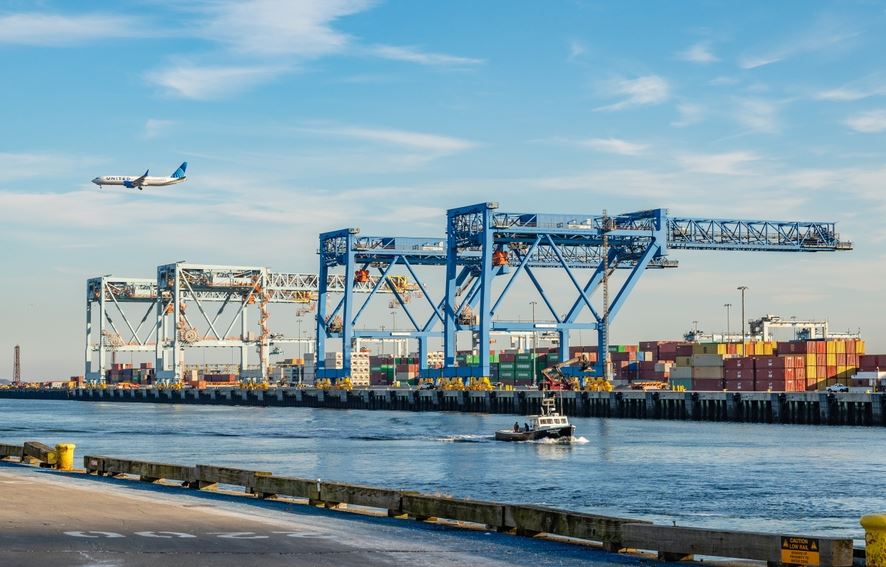
US President-elect Donald Trump's administration will face a wary, inflation-sensitive public and a Chinese regime that is well prepared to pursue large-scale retaliation. If it is serious about introducing new tariffs, it will need to clarify its priorities and then choose among conflicting policy goals.
A Trump Boom?
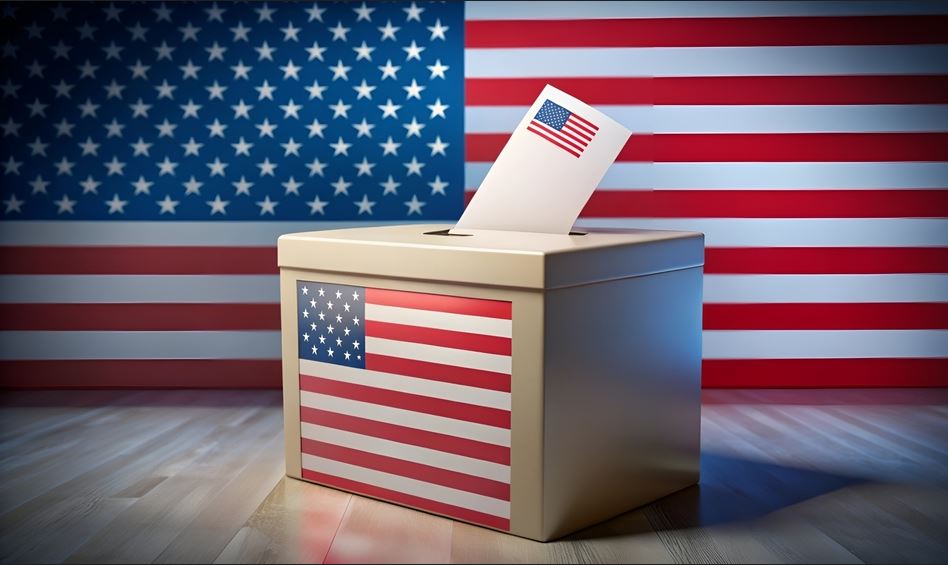
With his remarkable electoral comeback, Donald Trump has defined an era in American political history. But his legacy will depend on whether his policies advance long-term American prosperity by cutting taxes and boosting investment, or undermine it with trade wars and mass deportations.
The BRICS Currency Charade
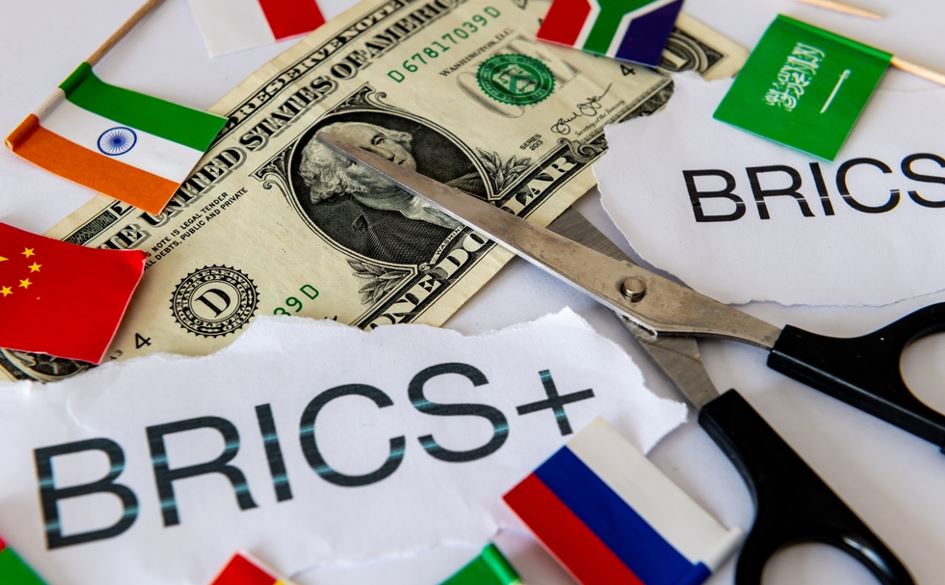
Expressions of dissatisfaction with the global dominance of the dollar go back at least to French finance minister Valéry Giscard d’Estaing in 1965. But even today, the euro is no challenger to the greenback, and no one should hold their breath waiting for the BRICS to unveil their own attempt at an alternative currency.
Once Again, It Was the Economy, Stupid
The economy played a critical role in the 2024 presidential race, creating the conditions not only for Donald Trump to trounce Kamala Harris, but also for a counter-elite to usher in a new power structure. Will the Democrats and “establishment” experts get the message?

Don’t Believe the AI Hype
If you listen to tech industry leaders, business-sector forecasters, and much of the media, you may believe that recent advances in generative AI will soon bring extraordinary productivity benefits, revolutionizing life as we know it. Yet neither economic theory nor the data support such exuberant forecasts.
How to Judge the New British Government’s First Budget

If UK Chancellor of the Exchequer Rachel Reeves tried to meet all the political demands that have been placed on her, her budget would likely result in disappointing growth and financial instability. Instead, the new government's first budget should be judged according to four longer-term criteria.
How China Is Preparing for America’s Next President

Regardless of whether Donald Trump or Kamala Harris wins the US presidential election in November, Chinese decision-makers expect bitter disputes over trade, technology, and Taiwan. Feeling under siege, China is girding itself for long-term enmity with the world’s largest economy.
Analytical Volatility Is Worse than Market Whiplash

The US economic data released in early August not only triggered a brief, but dramatic episode of financial-market volatility. It also fueled an abnormal degree of instability in forecasts by leading Wall Street economists, suggesting that they, like the Federal Reserve, may have lost their strategic bearings.
Misreading the Impact of Monetary Policy
Those warning that the US Federal Reserve is dragging the economy down are deeply mistaken. Far from being too restrictive, US monetary policy is almost certainly too loose, judging by the robustness of financial markets and broader economic conditions even after 500 basis points of interest-rate hikes.
Will the AI Revolution Lead to Greater Prosperity?

Artificial intelligence has the potential to reshape our economies, labor markets, societies, and politics. But despite the rosy forecasts of an AI-driven boom, history shows that technological advances rarely lead to immediate improvements in living standards and often lead to profound disruption.
Europe Needs a New Economic Vision

With its current course leading only to economic stagnation, the EU must establish a vision for a more dynamic, productive future. Above all, Europeans must answer a simple but critical question: What should the EU look like – in terms of innovation, the economy, security, and resilience – in a decade?
The US Treasury’s Backdoor Stimulus Is Hampering the Fed
The US Treasury’s debt-issuance polices have become a powerful form of policy easing. By shortening its issuance profile to reduce long-term interest rates, the Treasury has delivered economic stimulus equivalent to a one-point cut to the Fed’s policy rate, impeding the central bank’s efforts to control inflation.
Beware of the Fed’s Contrived Consensus

After absorbing the US Federal Reserve's repeated assurances that a “fundamentally healthy” economy gave it ample time to decide on when to cut interest rates, the market was caught by surprise when new data suggested otherwise. Such is the danger of signaling a consensus where none exists.
High Interest Rates Finally Bite

The US Federal Reserve appears to have finally brought about the recession that it engineers whenever unemployment is low and the president is a Democrat. If it costs the party the White House in November, may its leaders use their time out of power to reflect on the unwisdom of their decades-old bargain with Wall Street.
Why Are Stocks, Gold, and the Dollar Surging?
While gold prices rise due to heightened geopolitical uncertainty, the US stock market is breaking records, and global demand for the dollar remains robust. This can be attributed to growing confidence in the US economy, which continues to surprise on the upside.

The Fed Should Not Cut Interest Rates Yet
Investors are betting on interest-rate cuts by the US Federal Reserve in September, and potentially even in late July. But the outlook for inflation and the labor market in the United States does not indicate that policymakers should begin lowering rates in the next two months.












