Whenever I speak at investment conferences, I like to point out that we invest in a number of publicly traded airports. I even list them: Spain’s Aena. Aeroports de Paris. Zurich Airport. Airports of Thailand. Two of the world’s largest operators, Grupo Aeroportuario del Sureste and Grupo Aeroportuario del Pacifico, trade in Mexico.
Every year in early July, we update our interactive Periodic Table of Commodities Returns to reflect the performance of raw materials in the first six months of the year. Maybe I’m biased, but I believe it’s one of the clearest snapshots of the commodities landscape you’ll find anywhere.
Close to 40 years ago, I moved from Canada to the U.S. after acquiring a controlling interest in U.S. Global Investors. I’ve built my entire life and career here, and in all that time, I’ve never stopped marveling at my adopted country.
Ten years ago this week, the world watched the United Kingdom vote to walk away from the European Union. While the political class was clutching its pearls and every talking head on television was promising Armageddon by Christmas, I told you something different.
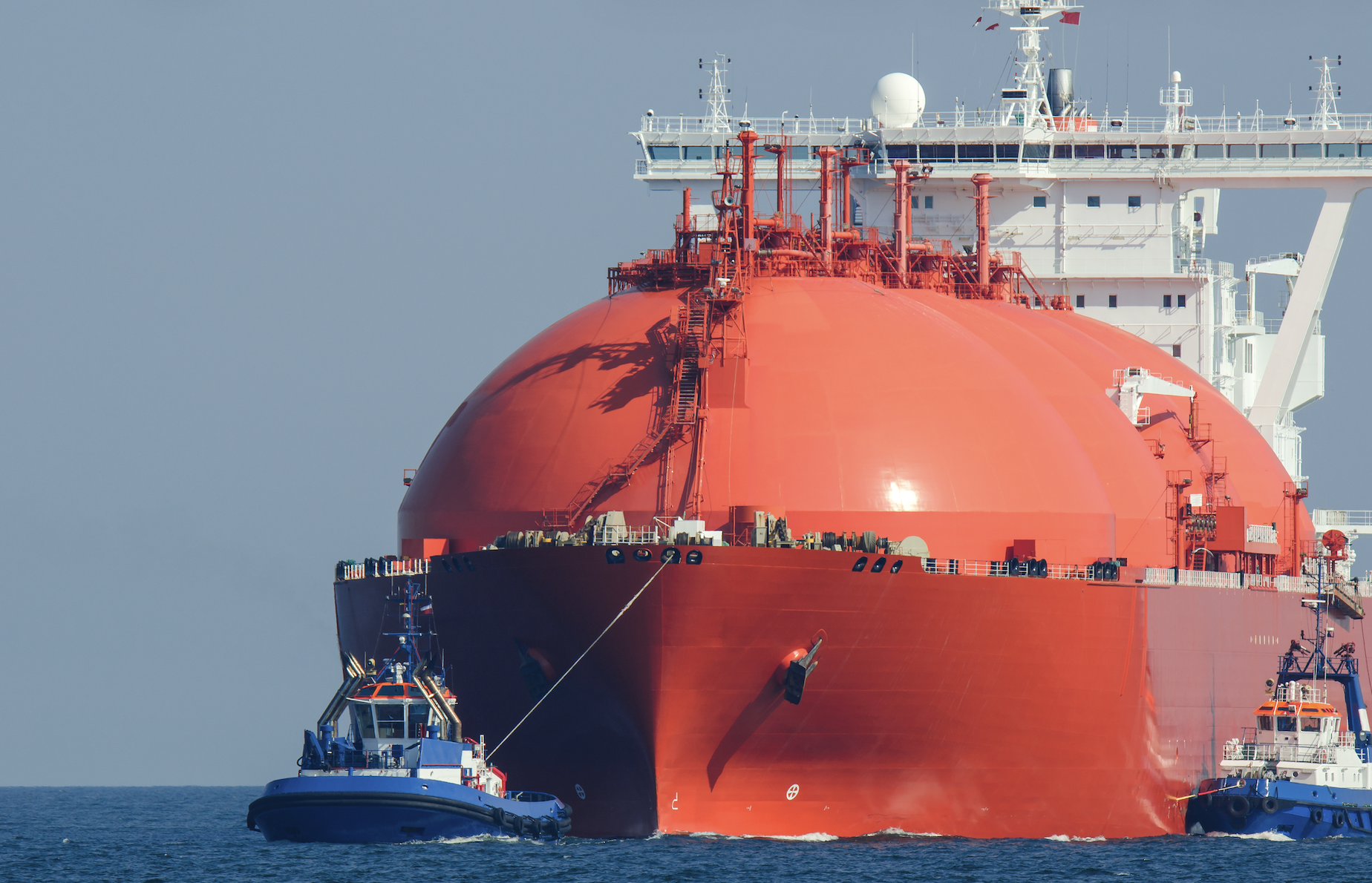
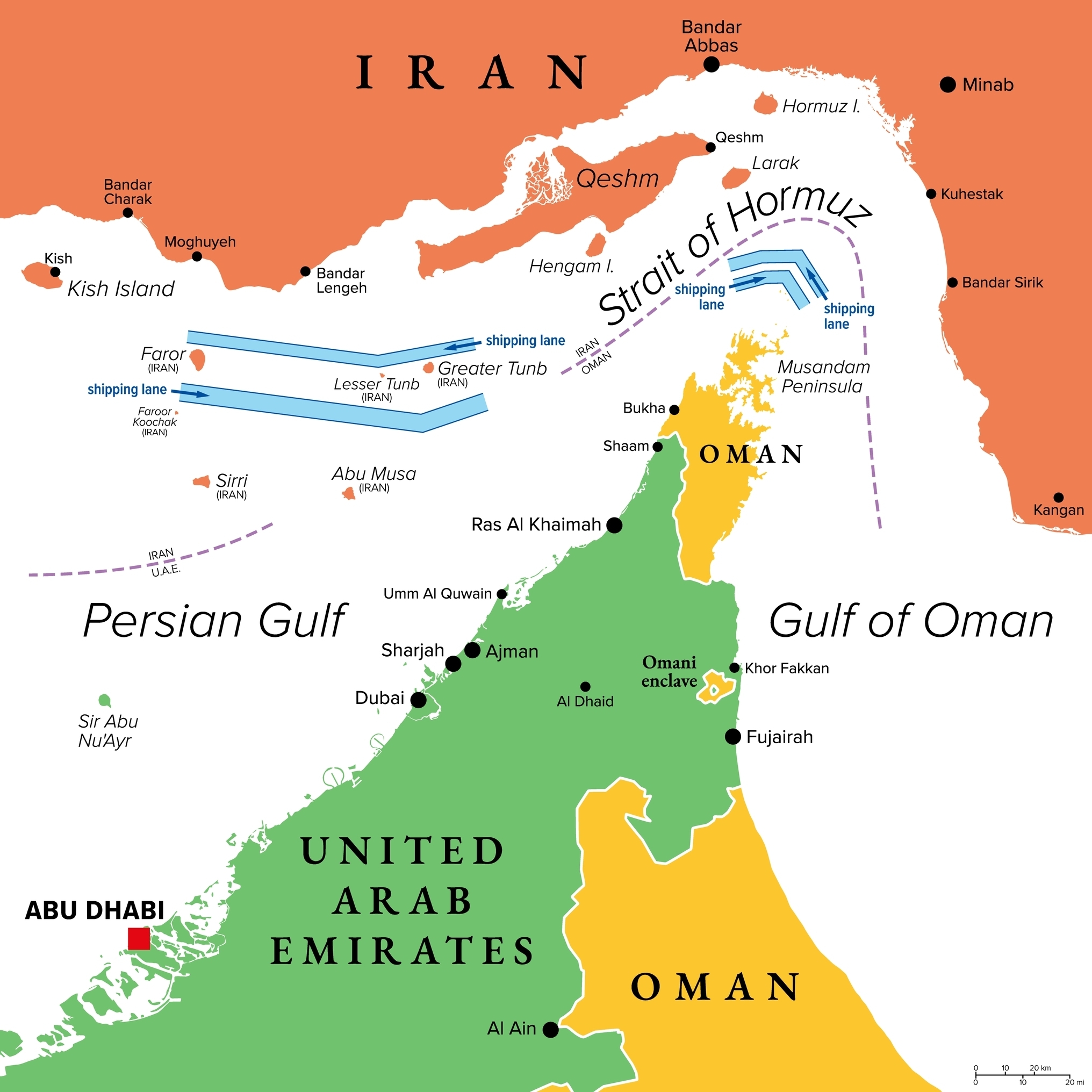
On Monday, President Donald Trump announced that the U.S. and Iran have reached a peace deal to reopen the Strait of Hormuz, the 21-mile chokepoint through which roughly 20% of the world’s oil supply normally flows.
Gold has always had a way of testing investors’ expectations. Just when the headlines appear most supportive—inflation is rising, geopolitical risk is escalating and confidence in fiat currency is being questioned—gold can suddenly move in the opposite direction.
In case you’ve been living under a rock for the past few months, three of the world’s largest and most consequential private companies—SpaceX, Anthropic and OpenAI—are preparing to go public in the same year. Together, they could add nearly $4 trillion in market cap to public markets.
If you’re not familiar with the name Leopold Aschenbrenner, you should be. A 24-year-old wunderkind, Aschenbrenner was hired by OpenAI in 2023 to work on the company’s “superalignment” team, essentially trying to figure out how to keep AI systems safe once they become smarter than the people building them.
Despite these higher costs, a projected 45 million Americans are expected to travel at least 50 miles from home this weekend, setting a new record. Close to 40 million will drive while some 3.7 million will fly.
I’ve long been a student of game theory, the branch of mathematics that studies how rational actors make decisions when their outcomes depend on what everyone else does. It’s a helpful framework for understanding markets and geopolitics, and right now, there’s no better place to apply it than Taiwan.
Early detection, I believe, is one of the smartest investments you can make, whether we’re talking about your portfolio or your health.
What a week this was! On Tuesday, I participated on a panel at the Bitcoin Conference in Las Vegas, where I discussed why Bitcoin miners have a head start in the race for AI compute.
Despite the turbulence, the global LCC market remains an enormous force. Four of the world’s 10 largest airlines—Ryanair, Southwest, IndiGo and easyJet—operate on a low-cost model. The broader budget travel market is projected to exceed $315 billion by 2028, according to Statista.
The history of the U.S. airline industry is really a history of consolidation driven by crisis. The pattern has been remarkably consistent. Historically, when an external shock has hit—a recession, a war, an energy spike—the weakest carriers have folded or been acquired, while the strongest have emerged leaner and more profitable.
Since the U.S. and Israel launched strikes on Iran on February 28, jet fuel prices in the U.S. have more than doubled. According to data from the Energy Information Administration (EIA), the year-to-date percent change in U.S. jet fuel prices stood above 120% as of the end of March.
I just returned from the Investment U conference in Las Vegas, where I presented on gold and the great digital transformation. Sentiment among investors was upbeat, despite great uncertainty in the world right now.
Since hostilities began in the Middle East three weeks ago, I’ve urged investors to stay calm and resist the temptation to panic-sell. While I still stand by that advice, it’s important to point out that this conflict isn’t resolving as quickly as initially expected.
When geopolitical tensions flare up, the natural assumption is that gold should immediately surge. War breaks out, markets panic… and the metal rallies as investors rush to safety.
Markets hate uncertainty, and right now there’s plenty to go around. The outbreak of the U.S.-Iran conflict, following by Iranian retaliation against oil infrastructure across the Persian Gulf, has sent crude prices surging and shipping rates soaring to record levels.
By now you’ve likely seen the news that the Department of War (DOW) issued a Friday-evening ultimatum to Anthropic, maker of the Claude AI chatbot, demanding unrestricted military access to its technology.
According to the UN World Tourism Organization, an estimated 1.52 billion international tourists traveled the world in 2025. That’s nearly 60 million more than the year before, representing 4% growth, and it marks a return to the steady, pre-pandemic growth trend of 5% annually that the industry enjoyed between 2009 and 2019.
Four months ago, digital assets underwent what I believe was the most consequential liquidation event in their history. On October 10, 2025, over $19 billion in leveraged positions were wiped out within hours. Bitcoin plummeted from roughly $122,000 to $105,000. More than 1.6 million trader accounts were liquidated.
This past week, I had the privilege of attending the 2026 Harvard Presidents’ Seminar alongside some of the nation’s top executives and thought leaders. One of the most compelling speakers was Ambassador Kevin Rudd, former prime minister of Australia.
Since ChatGPT burst onto the scene in 2022, artificial intelligence (AI) has moved from science-fiction to reality. For many, AI has become a necessity. The transformation has been swift. Nearly every company now wants to integrate generative AI into their business model, while governments are scrambling to develop sovereign AI infrastructure.
The Bank of Japan’s recent policy shift is sending shockwaves through global markets. Headlines this week highlight the dollar’s tumble against the yen and renewed chatter of an unwind to the massive yen carry trade, estimated at over $500 billion.
Seven hundred billion dollars. That’s the figure being floated as the potential price tag for acquiring Greenland, according to recent reporting. Call me skeptical, but I don’t think anyone’s cutting a $700 billion check anytime soon. For comparison’s sake, that’s more than half of the Defense Department’s entire 2024 budget.
What happened in Venezuela last weekend may turn out to be the most consequential energy and geopolitical event of the decade. In a swift, coordinated operation that stunned the world, U.S. forces captured Venezuela’s longtime socialist dictator, Nicolás Maduro.
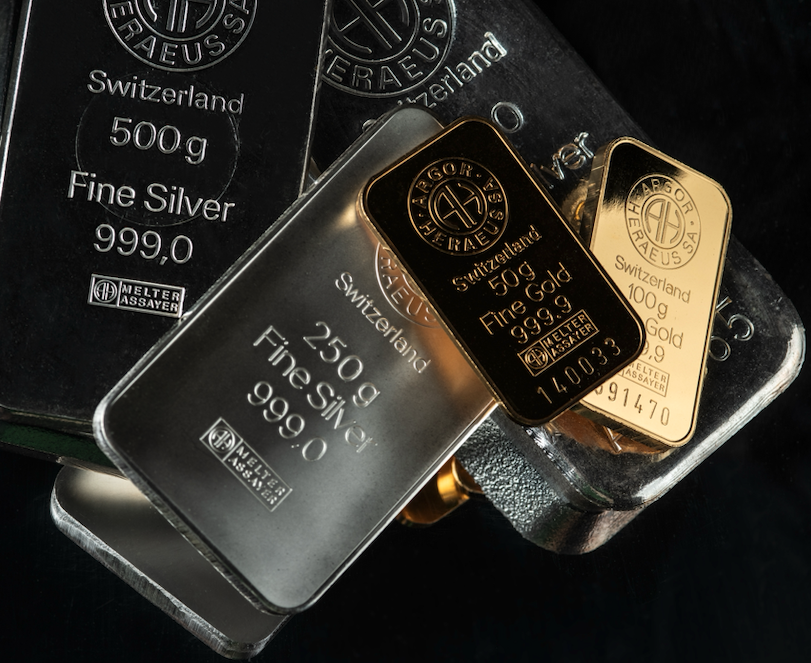
Silver was the best-performing commodity last year, up an astounding 145%, but precious metals as a whole delivered solid returns. Gold, silver, platinum and palladium all responded positively to a number of factors, from rising geopolitical tensions to changes to global trade to the accelerating energy transition.
This week, President Donald Trump ordered a blockade of oil tankers entering and leaving Venezuela, dramatically escalating U.S. pressure on the Maduro regime.
A generation ago, a single income could support a family, buy a house and pay for a vehicle or two in the driveway. Today, even two high earners are struggling to purchase a new home.
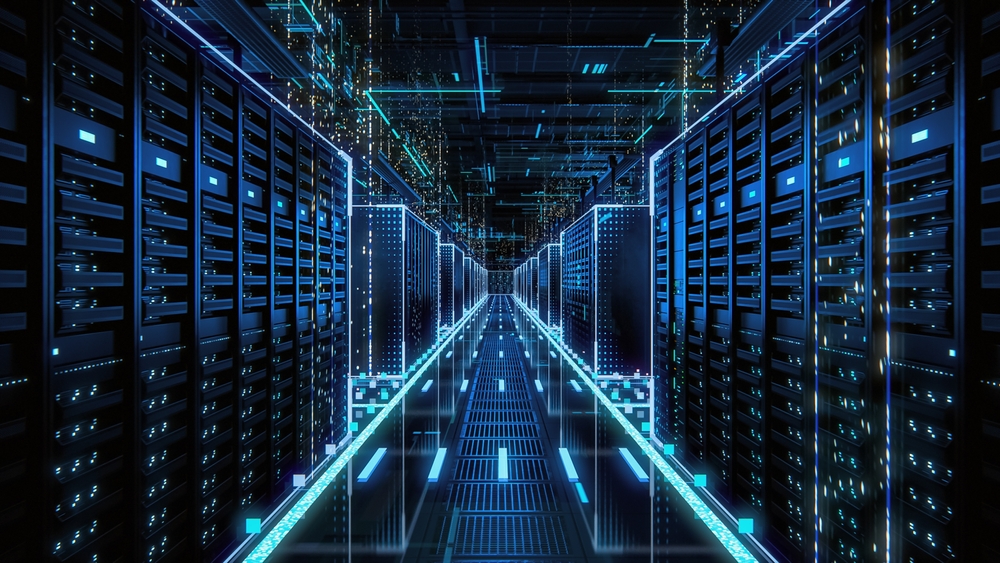
A conventional data center uses between 5,000 and 15,000 tons of copper. A hyperscale data center, on the other hand—the kind being built to run artificial intelligence (AI)—can require up to 50,000 tons of copper per facility, according to the Copper Development Association.
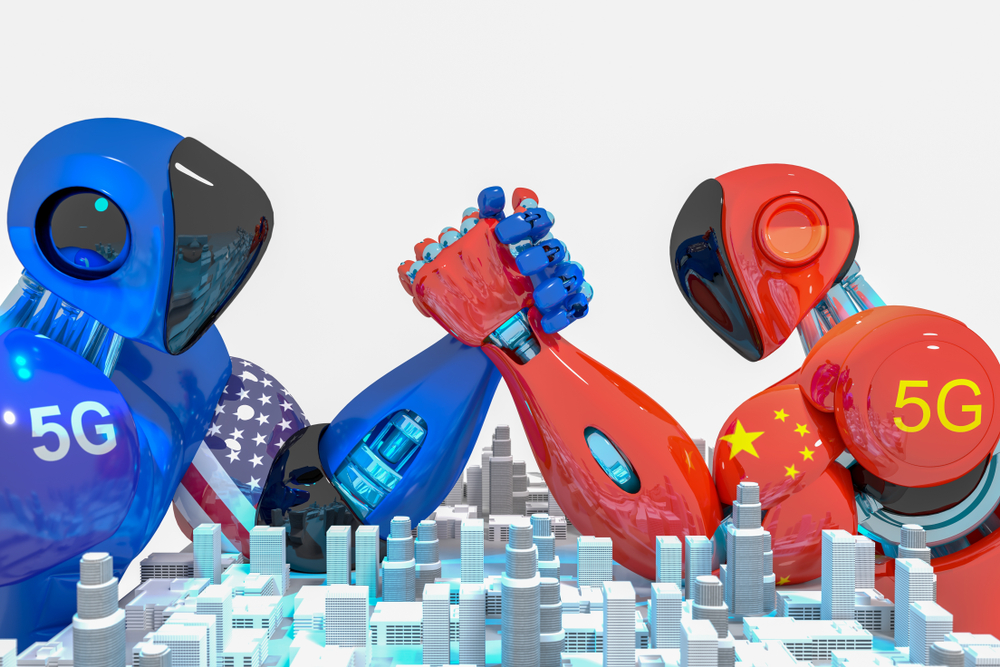
Nvidia CEO Jensen Huang turned heads earlier this month when he told the Financial Times he believes China will win the artificial intelligence (AI) arms race due to the country’s expanding power capacity and lack of regulatory bottlenecks that slow things down here in the U.S.
As someone who’s been involved in capital markets his entire adult life, I can safely say that gold investors haven’t seen a period like this in decades. The third quarter of 2025 was nothing short of historic, and in many ways, I believe we’re witnessing the beginning of a new era for the yellow metal.
For more than a century, New York City has stood as the beating heart of global capitalism. That’s why this month’s election of Zohran Mamdani, a self-described Democratic Socialist, as the city’s next mayor has sent shockwaves through America’s business and investing community.
The good news for investors is that history may be on their side. According to the Halloween effect—also known as the Halloween strategy or indicator—stocks have tended to outperform in the six-month period from November to the end of April, compared to the six months from May to the end of October.
Earlier this week, several of my friends texted me in frustration, letting me know that they couldn’t place trades on Coinbase or Robinhood. The culprit wasn’t market volatility or government regulation, but something far more mundane: a cloud outage.
Since the shutdown began, air traffic controllers and TSA agents have been working without pay. Many are calling in sick, leading to longer lines and more flight disruptions.
After joining the World Trade Organization (WTO) in 2001, China’s trade with Latin America grew an average of 31% a year for approximately the next decade. In 2024, bilateral trade between the two regions hit $518 billion, overtaking the U.S. as South America’s top trading partner.
Like AI stocks, precious metals look overbought; but unlike AI stocks, they’re structurally underinvested. As such, I believe they deserve another look.
My reasons are simple. The debt pile is unfathomably massive, and it’s accelerating. Fiscal imbalances are widening, and monetary policy is being constrained. The Fed can’t raise rates aggressively without bankrupting the government, but it also can’t make deep cuts without tanking the dollar.
Join us for an exclusive webcast where Holmes discusses how thematic ETFs in the gold royalty and defense/AI sectors may offer advisors ways to manage risk and support portfolio resilience using smart beta 2.0 strategies in today’s volatile market.
One of the most critical resources in 2025 is compute power. Chips and the data centers that house them have become the 21st-century equivalent of refineries and power plants, and governments are increasingly treating them as such.
Gold mining equities are having a blockbuster 2025. Prices for the precious metal have hit one all-time high after another, and the miners who pull it from the ground are rewarding investors with some of the best returns in the market today.
Looking back over the past 20 years, airline equities have tended to outperform in the final three months of the year, with the NYSE Arca Global Airlines Index gaining over 3% on average in October; this is followed by an even stronger showing in November and a 3% increase in December on average.
Markets surged late last week after Federal Reserve Chairman Jerome Powell suggested at Jackson Hole that the U.S. central bank may be ready to cut interest rates in September. Traders took it as a green light, while Goldman Sachs, J.P. Morgan, Barclays and others quickly pivoted their forecasts. The CME FedWatch tool now puts the odds of a September cut at nearly 90%.
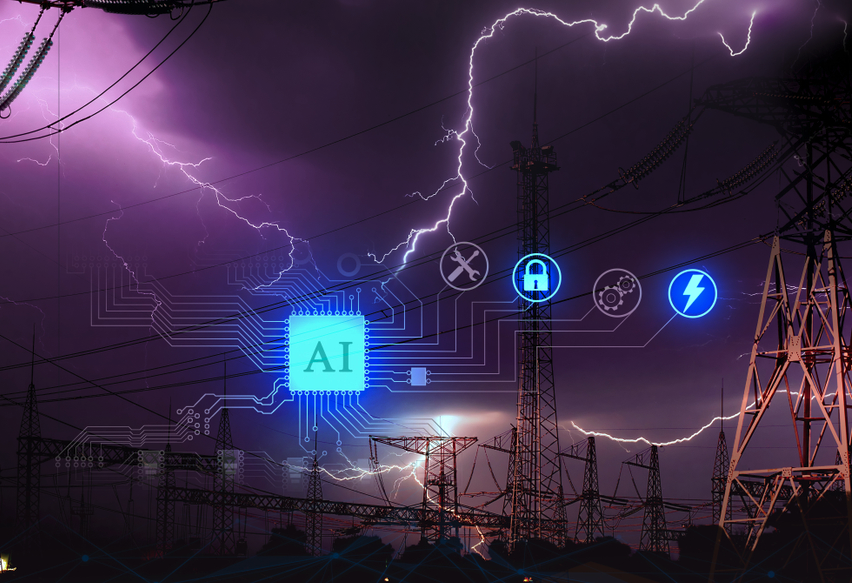
For nearly two decades, U.S. electricity demand was flat. Between 2005 and 2020, consumption barely budged, thanks to efficiency gains in appliances and slower economic growth. Utilities planned for more of the same.
The latest wholesale inflation numbers in the U.S. took some of the wind out of Wall Street’s sails this week, but they haven’t dulled investor enthusiasm for gold.
You’ve probably seen versions of these headlines this summer. They’re all designed to grab your attention by sounding the alarm, then close with a hand-wringing quote from someone who probably missed the last bull run.
If you’ve been following the luxury sector, you’ve probably seen your fair share of sobering news.
If there’s one thing I’ve learned after decades in the investment world, it’s that government policy is a precursor to change.