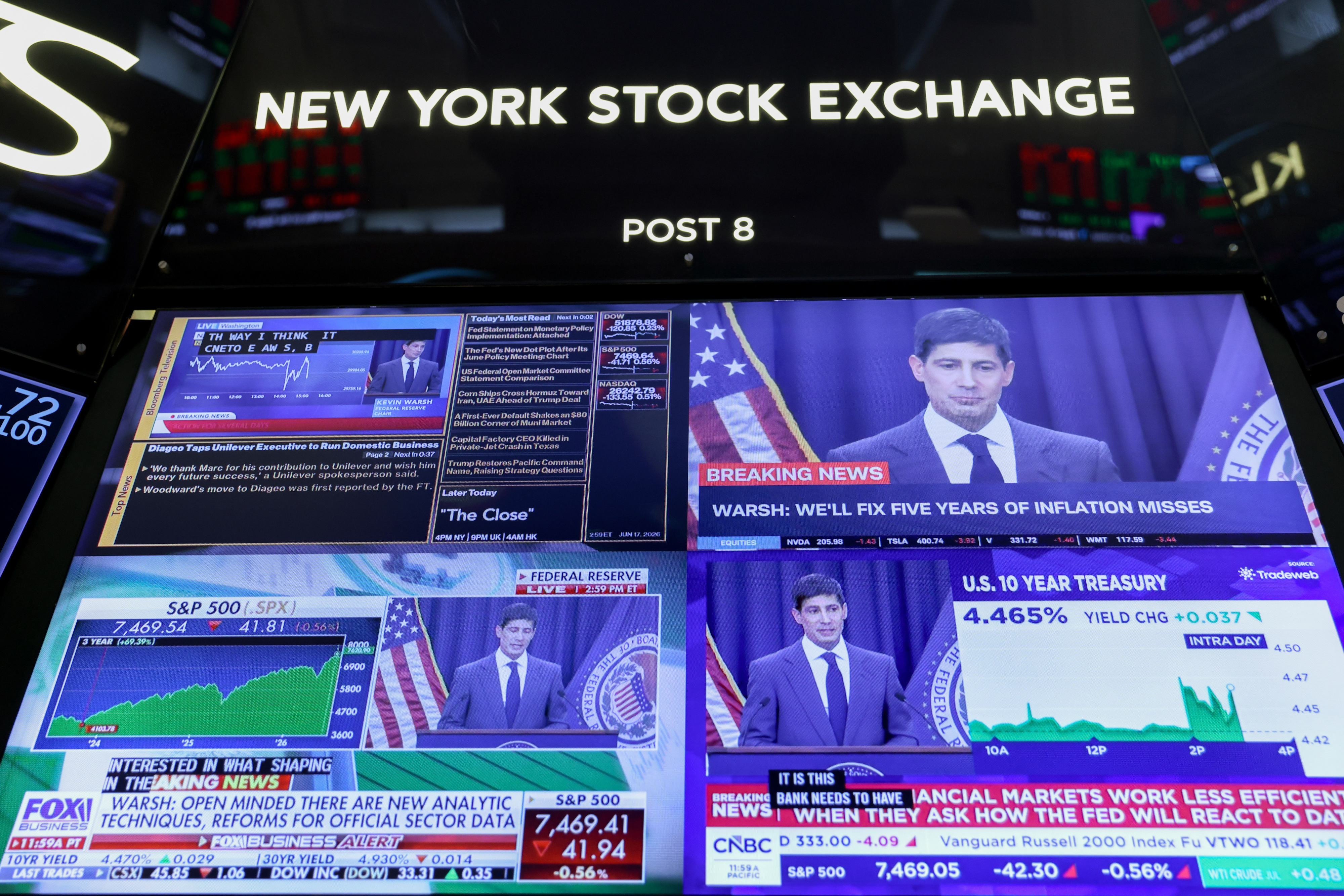
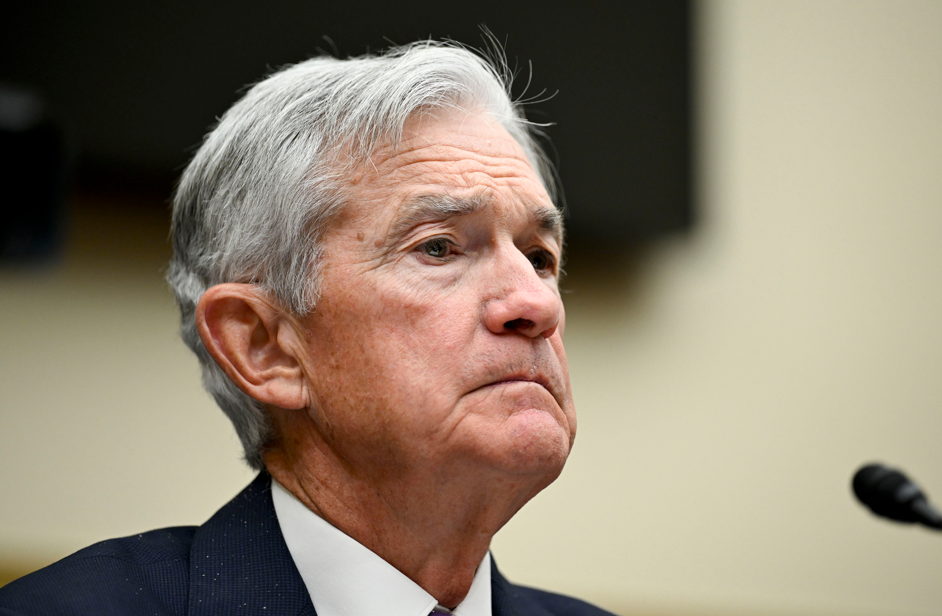
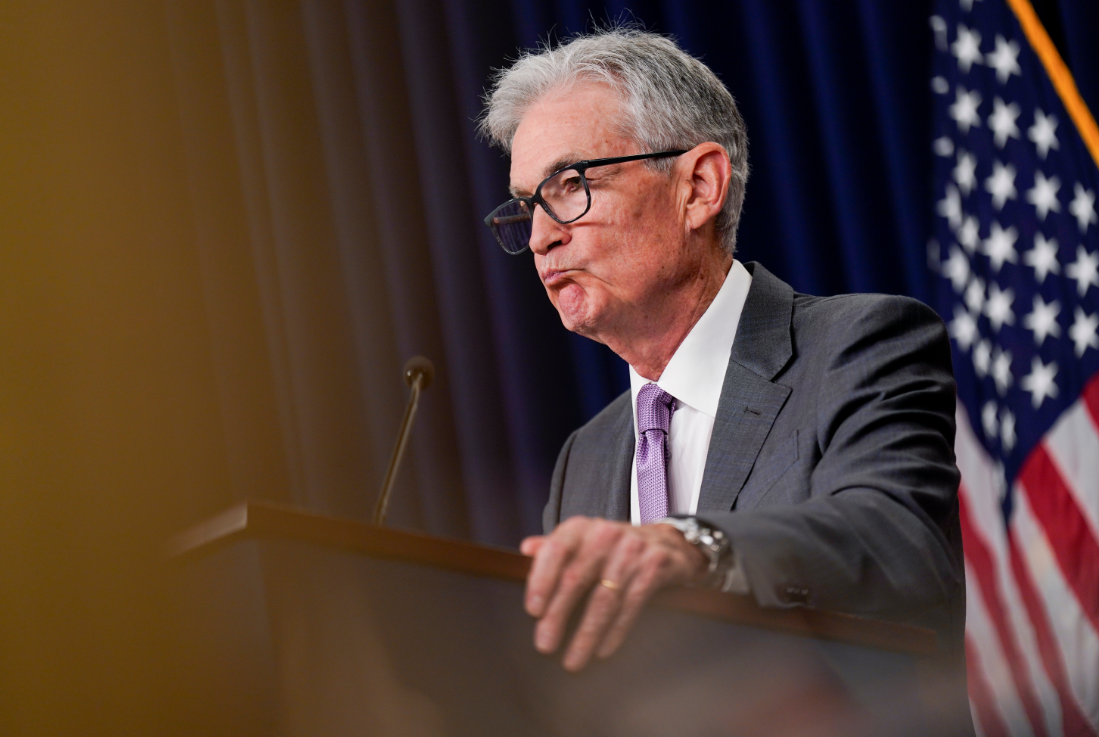
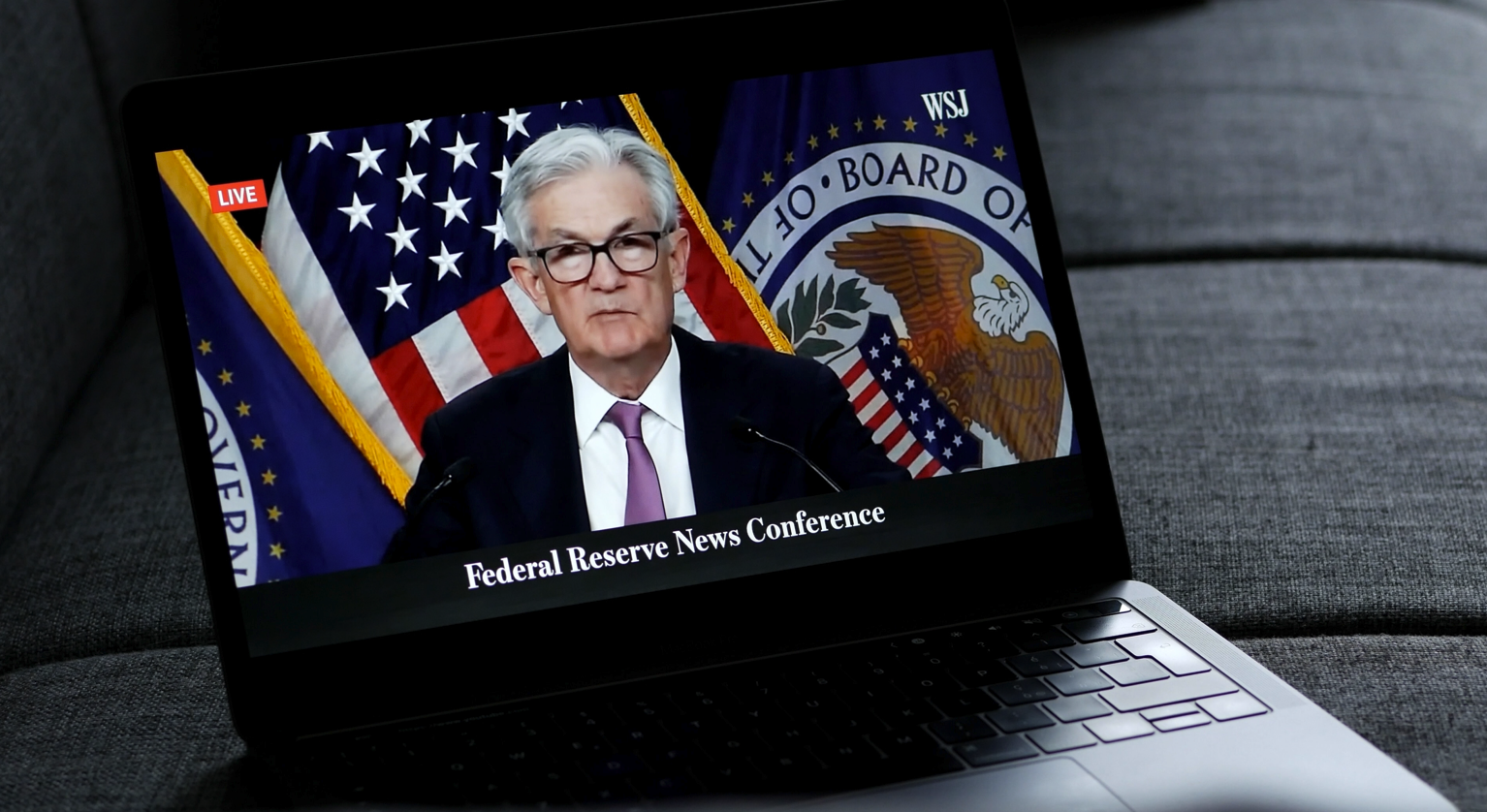
Federal Reserve Chair Kevin Warsh is changing how the central bank conducts monetary policy. A fresh look is appropriate, especially given the Fed’s failure to achieve its 2% inflation objective for more than five years. But this needs to be done with greater care than Warsh has shown to date.
Now that investors are aware of withdrawal limits, they’ll have a greater incentive to always ask for the maximum, requiring further asset sales that will depress returns — which, in turn, will encourage more withdrawals.
The Federal Reserve's balance sheet has significantly shrunk from its peak of nearly $9 trillion in 2022, shifting the reserve environment from "abundant" to "ample." While some advocate for further reduction, arguing it would increase market volatility and allow for lower rates, this move would necessitate a major operational change in how the Fed conducts monetary policy and would not dramatically lower short-term rates.
The boom in artificial-intelligence investment is undoubtedly boosting both the US stock market and the broader economy right now. But what about the longer term? Will AI be a big net positive, delivering prosperity and solving the nation’s fiscal problems?
The US Federal Reserve will soon face a crucial decision: What to do with the vast portfolio of securities it has amassed in its efforts to manage the economy?
Granted, the Fed’s monetary policy doesn’t directly determine economic growth. It operates by influencing broader financial conditions, which have eased a lot in the past year. Stock prices have risen, bond yields have declined and the dollar has weakened.
How AI evolves is perhaps the biggest question looming over the future of both the stock market and the broader economy. The “magnificent seven” tech companies, all with big bets on AI, account for more than one third of the S&P 500 Index’s market capitalization, up from about a fifth at the end of 2022.
Should the US Federal Reserve keep cutting interest rates? Markets certainly think it will: Futures prices suggest the federal funds rate will fall to about 3% by the end of 2026, from just above 4% now.
The market for Treasury securities is sending an increasingly troubling signal. As of last week, investors were demanding about 90 extra basis points in yield to compensate for the added risk of lending longer-term to the US government.
The agreement between the US and China to roll back their respective tariffs for 90 days has led to renewed optimism that the worst of America’s trade wars is over.
The US Federal Reserve is undertaking a major rethink of how it manages the world’s largest economy.
The Federal Reserve has raised some questions with its recent decision to slow the pace at which it’s shrinking its more-than-$4-trillion pile of Treasury securities.
Without a robust regulatory framework that incentivizes stablecoin issuers to register in the United States, stablecoin activity will migrate to countries with weaker rules, increasing the likelihood of financial instability. Fortunately, the US can still head off these risks and reap the technology’s benefits.
The US Federal Reserve has begun a process with vast implications for the global economy: rethinking the framework by which it sets the interest rates that influence prices and lending in the US and just about everywhere else.
Federal Reserve Chair Jerome Powell has indicated that the central bank’s communication will be part of its 2025 monetary policy review.
When US Federal Reserve Chair Jerome Powell faces the media after the central bank’s policy-making meeting next week, he’ll probably get a politically fraught question: How will the Fed incorporate president-elect Donald Trump’s stated plans — including tax cuts, tariffs and deportations — into its economic outlook and monetary policy?
Bitcoin has shot up more than 40% since Donald Trump’s victory in the US presidential election, in part on hopes that he’ll champion a government reserve devoted entirely to the cryptocurrency.
Next year, the US Federal Reserve will undertake an exercise with global implications: the periodic monetary policy framework review, at which it rethinks its approach to managing the world’s largest economy.
The US Federal Reserve and its chair, Jerome Powell, are rightly choosing not to act on any assumptions about what Donald Trump might do as president. That said, if he follows through on his more extreme campaign promises, they’ll struggle to contain the economic consequences — a problem that equity investors ignore at their peril.
I’ve been too pessimistic about the risks of a so-called hard landing for the US economy over the past few years. Although most of my conclusions that led to that view were correct, such an outcome remains very much in doubt.
The US Federal Reserve faces a crucial decision at its policy-making meeting this week: Ease off slightly on monetary restraint with a 25-basis-point interest-rate cut, or go for a rare 50-basis-point cut to fend off a recession.
When US Federal Reserve Chair Jerome Powell speaks at next week’s annual economic conference in Jackson Hole, Wyoming, people will be listening intently for any hint about what the central bank will do with interest rates at its September policy making meeting.
Has the US Federal Reserve gone too far in its fight against inflation, tipping the world’s largest economy into a damaging recession?
I’ve long been in the “higher for longer” camp, insisting that the US Federal Reserve must hold short-term interest rates at the current level or higher to get inflation under control.
The US government’s finances keep looking worse. The latest Congressional Budget Office projections suggest that it will need to borrow an added $400 billion this year to cover its budget deficit — and trillions more over the next decade.
To a large and under-appreciated extent, the job of the US Federal Reserve entails chasing an elusive number: r*, or the neutral short-term interest rate. When the Fed’s target rate is above r*, it should restrict growth. When it’s below, it should stimulate economic activity.
America’s experiment with quantitative easing is almost over. This week, the Federal Reserve will likely announce plans to slow the shrinkage of its balance sheet, foreboding the end of a long period in which it sought to stimulate the economy by holding large quantities of Treasury and mortgage securities.
Financial markets and the US Federal Reserve remain in disagreement on a subject crucial to asset prices and economic growth: how low interest rates will eventually go.
With interest-rate cuts off the table for now, the US Federal Reserve will focus on a different topic at next week’s policy-making meeting: when and how to slow quantitative tightening, the process of reducing the vast securities portfolio amassed in previous efforts to support economic activity.
Financial markets have lately been intensely focused on the US Federal Reserve’s next moves: How soon will it start cutting interest rates, and how low will it take them this year?
The US Federal Reserve faces a monetary-policy challenge above and beyond determining the right level of short-term interest rates: how much and how quickly to reduce the more than $7 trillion in securities still on its balance sheet — holdings it amassed in previous years to help stimulate growth.
The US has yet to fully address one of the greatest weaknesses revealed by last year’s failure of Silicon Valley Bank and other regional lenders: Supervisors saw the problems, but they failed to compel action before it was too late.
The US Federal Reserve and its chair, Jerome Powell, are betting that they can have the best of both worlds — that they’ll be able to defeat excessive inflation without forcing the economy into recession.
When the crypto bubble was on the rise, it prompted governments to step up development of their own form of electronic cash, known as central bank digital currencies. Now that enthusiasm for crypto has waned, will CBDCs fade away, too?
The market for US Treasury securities is arguably the world’s most important: a haven for investors in turbulent times, and a benchmark for virtually all other assets.
The US Federal Reserve thinks it can take a break. As Fed officials see it, they need only sit back and wait while the monetary tightening they’ve already done gradually takes hold, slowing the economy and pushing inflation back down to the central bank’s 2% target.
Lately, Federal Reserve officials have been paying greater attention to financial conditions – that is, to the influence that market phenomena such as stock prices, bond yields and housing prices have on economic activity, above and beyond the effect of the short-term interest rates that the central bank controls directly.
The US Federal Reserve’s efforts to quell inflation have sent long-term interest rates to their highest level in a generation, putting a lot of stress on banks, companies and anyone looking to finance a new home.
Can the Federal Reserve engineer a soft landing, in which it defeats excessive inflation without tipping the US economy into recession? This week, Fed officials will offer important clues as to whether that’s achievable.
US banking regulators are back to their old tricks. In the wake of a crisis — this time the March demise of a handful of regional banks — they want banks to fund themselves with more loss-absorbing equity capital.
Who knew that the subject of US Treasury bond yields could inspire such passion? When, in late June, I argued that they were likely to move considerably higher than the then-prevailing 3.75%, I attracted some vehement pushback.
After a string of encouraging data, markets are displaying increasing optimism that the Federal Reserve might be done with its battle against inflation — and that the US will experience a rare “soft landing,” in which inflation falls back to 2% and the economy cools without dipping into recession.
The recent demise of Silicon Valley Bank and a few other regional lenders is forcing policymakers to revisit a difficult question: What should the government do to prevent such damaging bank runs? Should it yet again expand deposit insurance?
Yields on long-term US Treasury securities have risen, and prices have fallen, farther and faster over the past few years than at any time since the 1980s. This has wreaked no small amount of havoc — contributing, for example, to the recent demise of several regional banks.
Having presided over America’s first banking crisis since 2008, Federal Reserve officials are rightly focused on reforming regulation. That said, they should keep in mind some lessons for monetary policy, too.
The once-burgeoning realm of crypto and decentralized finance keeps imploding, presenting policy makers with a quandary: Should they just let it burn, or step in to address its now-obvious flaws?
The US is headed for yet another standoff over the federal debt limit. House Republicans say they won’t raise the arbitrary cap on total borrowing unless President Joe Biden agrees to budget cuts.
In some ways, the 2023 economic outlook for the US is locked in. The Federal Reserve’s goal is to push the rate of inflation back down to 2% over the next few years.
Some people are suggesting that the Federal Reserve consider a compromise in its battle with rising prices: Instead of imposing the full monetary tightening required to get inflation back down to its 2% target, why not increase the target a bit?
All financial manias have some features in common.