Google parent Alphabet Inc.’s municipal-bond market debut was met by a surge of investor interest.
The $1.8 trillion private credit industry is finding out that trying to shake investor angst about the market is more of a marathon than a sprint. Such is the nature of long-term lending — there are few quick answers to the concerns that the market became too concentrated on software assets, a sector that’s ripe for disruption by artificial intelligence.
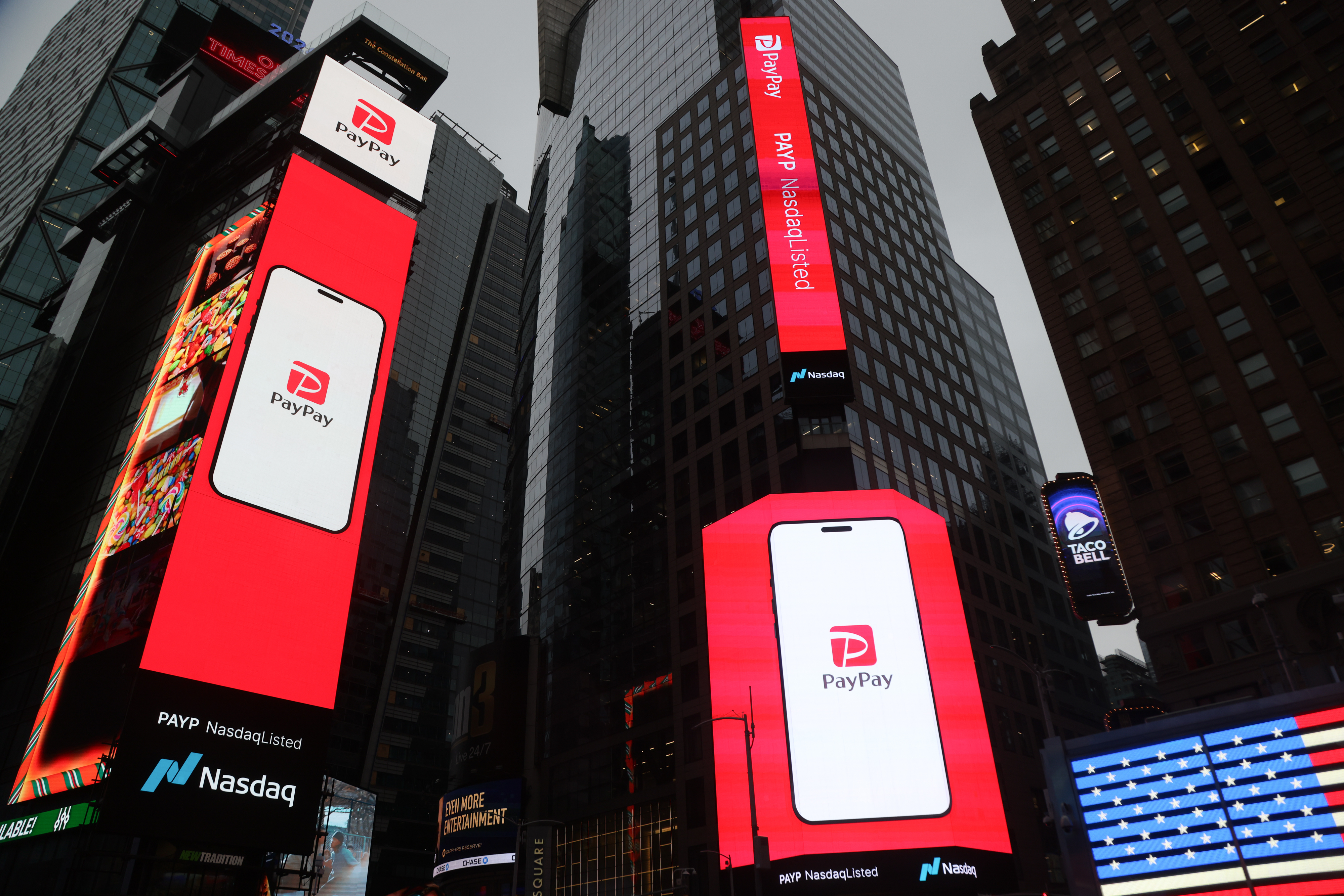
SoftBank Group Corp.’s payments unit is buying the life insurance unit of T&D Holdings Inc. for ¥134.3 billion ($840 million) to broaden its offerings and better compete in Japan’s ballooning fintech market.
Some of that tension is also being felt by their clients, advisers say. Along with the anticipation of a life-changing windfall, the initial public offering is eliciting more complicated emotions, as well, ranging from apprehension to confusion.
Currencies in the developing world sank after a blowout US jobs report provided the clearest sign yet that the labor market is breaking out of a prolonged period of lackluster hiring, undercutting the case for rate cuts from the Federal Reserve.
The largest ski resort in the US, in a corner of Utah long popular with wealthy travelers and second-home buyers, is expanding — and turning to the municipal bond market to help pay for it.
When someone told me recently that her favorite use of AI is for financial advice, I was horrified. I am a retirement economist, and my first reaction was self pity: Now I know how doctors feel when people use AI for medical questions.
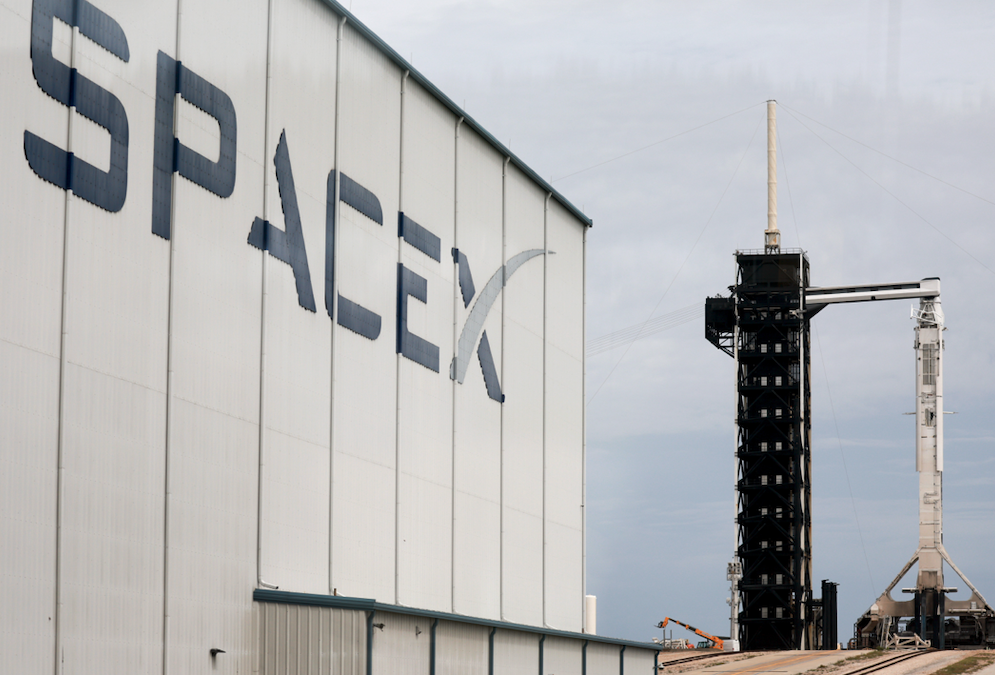
Elon Musk can still enchant investors with his vision of the future. Any questions about SpaceX’s record-breaking initial public offering — be it about the valuation, the company’s trajectory or technical execution — were brushed aside as the retail marketing for the deal got under way.
The stock market keeps setting records. Bitcoin has minted millionaires. Gold has peaked at new levels. Yet one of the most popular trades is to sit in cash or, more precisely, money-market funds.
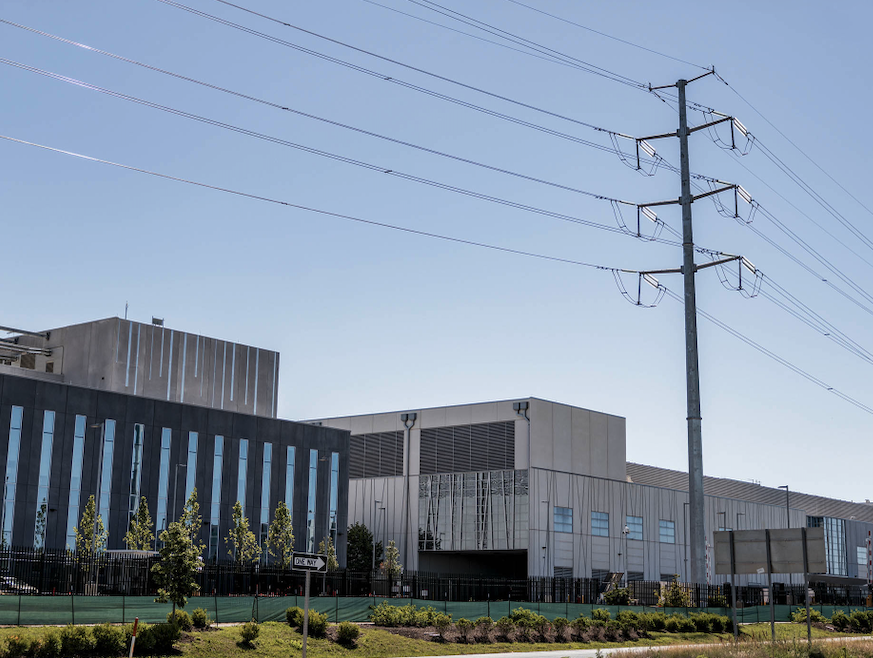
Soaring US power bills are threatening to claim their biggest victim yet — the nation’s largest electric grid operator.
While insurance coverage has broadly kept pace with rising catastrophe exposure, the protection gap — in absolute terms — has gone up as the value of exposed assets has grown, the Swiss Re Institute said on Wednesday.
A seemingly endless appetite for buying US stock dips has propelled Vanguard Group’s S&P 500-tracking ETF past $1 trillion in assets, making it the first fund of its kind to reach a milestone once thought unimaginable for the ETF industry.
JPMorgan Chase & Co. Chief Executive Officer Jamie Dimon plans to discuss the upcoming SpaceX initial public offering with thousands of the bank’s high-net-worth clients, part of an unprecedented nationwide push in coordination with the rocket maker’s leaders.
Cliffwater LLC’s flagship private credit fund capped redemptions at 5% in the second quarter after investors looked to pull about 17% of shares, in a sign of enduring pressure on the $1.8 trillion market.
Foreign investors led by the likes of Stanley Druckenmiller and major Wall Street banks are returning to Argentine stocks this year after some had exited ahead of 2025’s volatile midterm election cycle.
Wellington Management Co. agreed to buy the asset-management division of Hartford Insurance Group Inc. as the Boston-based investment firm pushes ahead with a wealth expansion.
It’s so hard in our industry to “benchmark” things like comp, benefits and work-from-home philosophies, because if you show me 15 teams or firms, I’ll show you 15 different ways to answer these questions. I know the WFH question is a big one, and many teams are struggling with it.
More and more Americans are feeling financially behind in 2026. More than eight in 10 have reported having at least one financial regret from 2025, according to a recent survey from Omni Calculator. 28% said making rushed decisions without enough planning were the leading cause of financial mistakes.
As billions of dollars leave Bitcoin and Ether funds, money is flowing into a corner of crypto that promises something investors have long struggled to find in digital assets: a clearer path from economic activity to token value.
When clients sense that nothing is expected of their answer, they relax. They pause. They speak more slowly. They wander a little as they search for words, and in that wandering, something real often appears. This is where conversations change.
A private credit fund jointly managed by Future Standard and KKR & Co. sold $900 million of junk bonds on Monday, according to people familiar with the matter, in a rare high-yield offering by a publicly traded credit fund.
Blackstone Inc. has entered an agreement to provide Nippon Life Insurance Co. with investment services, adding to an increasing number of tie-ups between private investment firms and Japanese insurers.
Google parent Alphabet Inc. is poised to enter the municipal-bond market’s prepaid energy space by participating in a $1 billion transaction out of California, a major development in the evolution of a booming segment.
A key source of demand for corporate bonds may be fading now that managers of company pension funds have more than enough money on hand to pay their retirees.
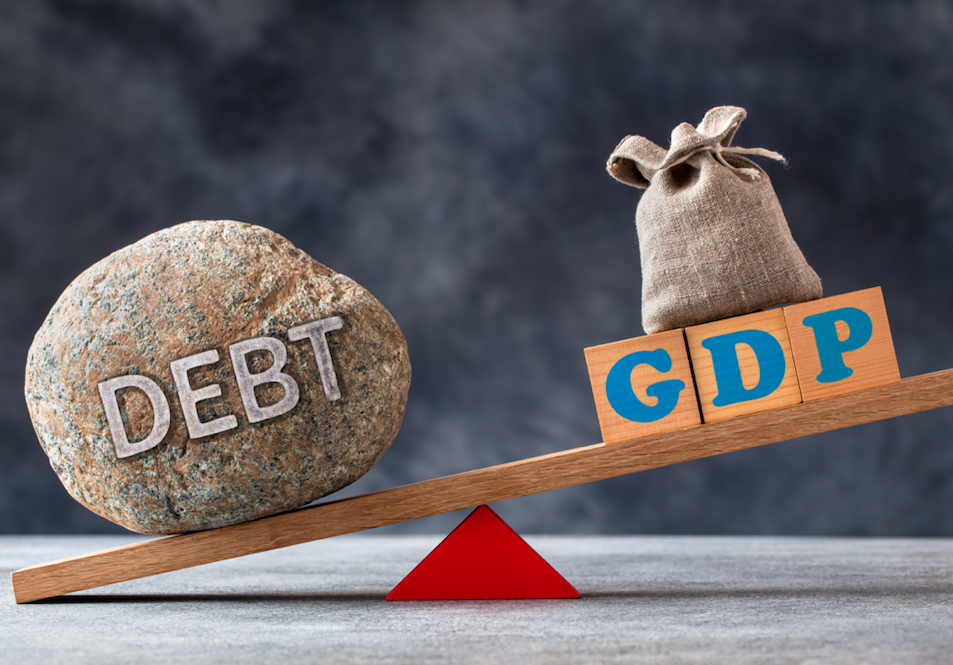
As advisors, our role is not to solve fiscal policy; it is to ensure our clients are positioned to weather the uncertainty that comes from that gap, stay committed to their long-term plans, and not let macroeconomic anxiety drive short-term decisions they will regret.
Individual expertise matters. But in complex situations, making good decisions also depends on your financial professionals sharing information. When you support and expect their collaboration, you are no longer the communication relay.
While the mass affluent market may not be feeling the brunt of inflation woes or the rising cost of living, its financial planning is still being impacted by current economic headwinds.
Investors are about to get a read on the durability of the soaring rally in cybersecurity stocks when two of the industry’s major players report earnings in the coming days.
Elon Musk’s SpaceX is negotiating to pay razor-thin fees to Wall Street firms handling its IPO — but banks are still likely to rake in about $500 million from the record-setting market debut.
The announced expansion comes as the US races to provide huge amounts of electricity for AI data centers, with nuclear power emerging as one of the big winners. The Trump administration is pushing to quadruple output from nuclear plants which will require a leap in uranium fuel production to meet the challenge.
Caution has become the most expensive position on Wall Street. A hot inflation reading this week — sending the annual gauge to its highest in about three years — landed alongside fresh strikes in the Persian Gulf and enduring expectations that the Federal Reserve may need to keep policy tight.
Investors are pouring money back into municipal bonds as higher yields and the approaching summer reinvestment season draw cash into the tax-exempt market.
Goldman Sachs announced a partnership with Anthropic in early May, though you probably shouldn’t view it as just a cool innovation story. It is infrastructure in motion. When institutions like Goldman move, pay attention to what problem they believe they are solving.
Before I recommend what to do, I want to first state what not to do. Don’t invest as if you think you know what long-term inflation will be. Will we return to the double-digit inflation of the late ‘70s and early ‘80s? The answer is: Nobody knows.
The assumption that muni equals tax-free is deeply embedded in how the asset class gets discussed and presented. But for high-net-worth clients in high-tax states, the gap between partially exempt and fully exempt is material enough to be worth a conversation.
It’s not often that investors encounter something truly new in markets. But they will soon when Space Exploration Technologies Corp., OpenAI and Anthropic PBC go public with trillion-dollar valuations, or close to it. No company listed in the US has ever come to market so extravagantly priced — by a long shot.
Mentioning artificial intelligence to the graduating class of 2026 has been sure to get you booed. And why not? Fresh graduates have spent the past few years being told about the wonders of AI and watched seniors struggle to get a toehold in the labor market.
The industry is entering a more customized phase of liability-driven investing, he said. While earlier stages focused on adding duration and raising fixed-income allocations, better-funded plans are now tinkering at the margins to more precisely match their holdings with their obligations.
US stocks headed for a positive open on Monday as traders remained hopeful that Washington and Tehran would strike a peace deal, even amid a rise in oil prices.
Nvidia Corp. is entering the PC market with a new chip aimed at loosening the stranglehold of Intel Corp. technology in that arena and modernizing the machines for the AI era.
Innovation drives productivity growth, which in turn raises the standard of living for a nation's population. Accordingly, we support the theory that AI will benefit the economy and the population. We laid this bullish case out in "The AI Economy: Looking Beyond The Façade Part I."
Massachusetts Mutual Life Insurance Co. agreed to have Nationwide Mutual Insurance Co. reinsure a book of life insurance policies, freeing up about $6 billion of reserves.
The Bloomberg Dollar Spot Index is up 0.7% so far in May, as investors ramped up bets that the Federal Reserve will raise rates by early 2027, boosting the appeal of US assets. The gauge is on track for only its fourth monthly gain since the greenback’s 2025 downtrend began.
If you want a blueprint for how countries can survive this era of great power rivalry, look no further than Vietnam.
Growing excitement around the burgeoning space economy is increasingly favoring companies positioned to benefit not only from Elon Musk’s SpaceX filing for a public offering, but also from rising enthusiasm for space exploration and increased funding.
Large asset managers are rolling out a wave of actively managed emerging-market ETFs, pitching them as alternatives to benchmarks increasingly dominated by AI stocks.
Treasuries rallied back to be little-changed on the day, erasing earlier declines spurred by higher oil prices, after a key US inflation gauge rose less than expected.
Shares of retailers spanning Kohl’s Corp. to Best Buy Co. and Dollar Tree Inc. rose on Thursday amid optimism that shoppers are still spending when they see what they want at the right price.
An abundance of cash in US funding markets appears to be driven by deeper structural shifts that are unlocking billions of dollars in balance-sheet capacity at the biggest banks, Wall Street strategists say.
Coverage of prediction platform Polymarket has recently converged on a single statistic, delivered with the cadence of a verdict: Most users lose money. The top 1% of accounts capture roughly three-quarters of the gains, while most traders since 2022 are underwater.