Federal Reserve chair Jerome Powell steps down this month after proving himself an exemplary public servant. Compelled to deal with a president intent on telling the central bank what to do, his response was exactly right. Reluctant to confront the White House until he had no choice, he then did so firmly, without needless drama or any trace of ego.
We’ve all been in meetings that “could have been an email,” so why not have a jury trial that could have been an AI prompt?
The sooner the mass of retail private credit managers realize they are zombies and give up the ghost, the sooner we can burn the whole thing to the ground and conjure a better model from the ashes. But there is no time like a crisis to have conversations about how to make the structure work better for everyone in the future!
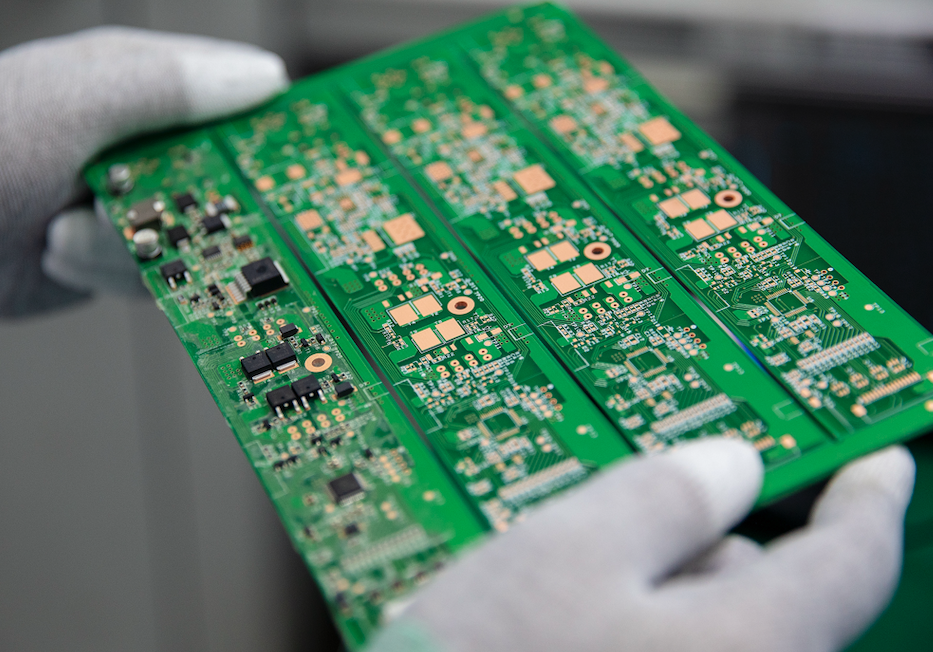
Semiconductor stocks, along with some computer hardware companies, are the market’s latest AI darlings. Momentum and gamma are driving the outperformance, and, in their wake, a supportive narrative is trying to justify it.
You are undoubtedly seeing in the news that high earners are leaving New York, Los Angeles, and other metro areas. This does not begin to address the magnitude of the problem. There are dozens of cities that are trending towards fiscal collapse. Indeed, taxpayers are leaving.
What do “the utilities of retirement” refer to? Buy gas and electric stocks and live off the dividends? No. Not in this article. We’re talking about utility as an economic term of art, meaning reward, pleasure, and satisfaction.
I was in West Texas recently to witness firsthand the emerging practical applications of artificial intelligence. What I saw bolstered my conviction about the technology’s progress and the need to mold it rather than resist the change.
Investors were forced to pay attention Friday, when the most interest-rate sensitive corners of the market saw big plunges in an ugly market selloff. The small-cap Russell 2000 Index dropped 2.4% for the biggest single-day decline since November.
NextEra Energy Inc. agreed to pay about $67 billion in stock for Dominion Energy Inc. in the biggest power acquisition ever, creating a giant utility extending from Florida to the data centers clustered in Virginia.
Yields on US bonds dipped as much as three basis points Monday after Iran’s semi-official Tasnim reported that Washington proposed a temporary waiver on Iran oil sanctions until the final agreement, citing a source close to the negotiation team.
In the race to build the infrastructure that powers artificial intelligence, Alphabet Inc.’s Google has an enviable position: The company has a healthy cloud computing business, makes its own chips, and has struck deals to share them with companies like Anthropic PBC and Meta Platforms Inc.
America is fast becoming a country with two economies: a stagnant one for men and a growing one for women. So far this year, the US has created more than 165,000 private-sector jobs, and 72% of them went to women. To some extent this reflects a structural change in the economy, as growth is in industries more likely to employ women, such as healthcare.
Rising bond yields curbed traders’ appetite for risky bets early Friday, sending stocks lower following a weeks-long record-setting rally driven by a rush of cash into all things artificial intelligence.
Investors shed government bonds around the world, propelling borrowing costs to multi-year highs from Japan to the US amid intensifying fears that war-driven inflation will force central banks to pursue higher interest rates.
Elon Musk’s ambitions for artificial intelligence are coming together in a former vacuum-cleaner factory in Memphis, Tennessee.
With stocks near all-time highs, the need for change is hardly obvious. Proponents argue that requiring fewer reports will reduce the time and cost of compliance. Some blame an increase in disclosure demands over the last three decades for a sharp decline in the number of public companies.
While US stocks have been going from one record to the next, global asset allocators haven’t quite kept up. And that may keep the market’s upward momentum intact as fund managers try to catch up.
Investors are growing increasingly optimistic about Amazon.com Inc.’s position in artificial intelligence, lighting a fire under the stock and sending the company’s market capitalization soaring toward the rarefied $3 trillion level.
In today’s war-torn market, both are the supplier of last resort. One provides dollars; the other barrels. But that’s where the similarities end. The central bank can print the currency at ease; the drillers cannot.
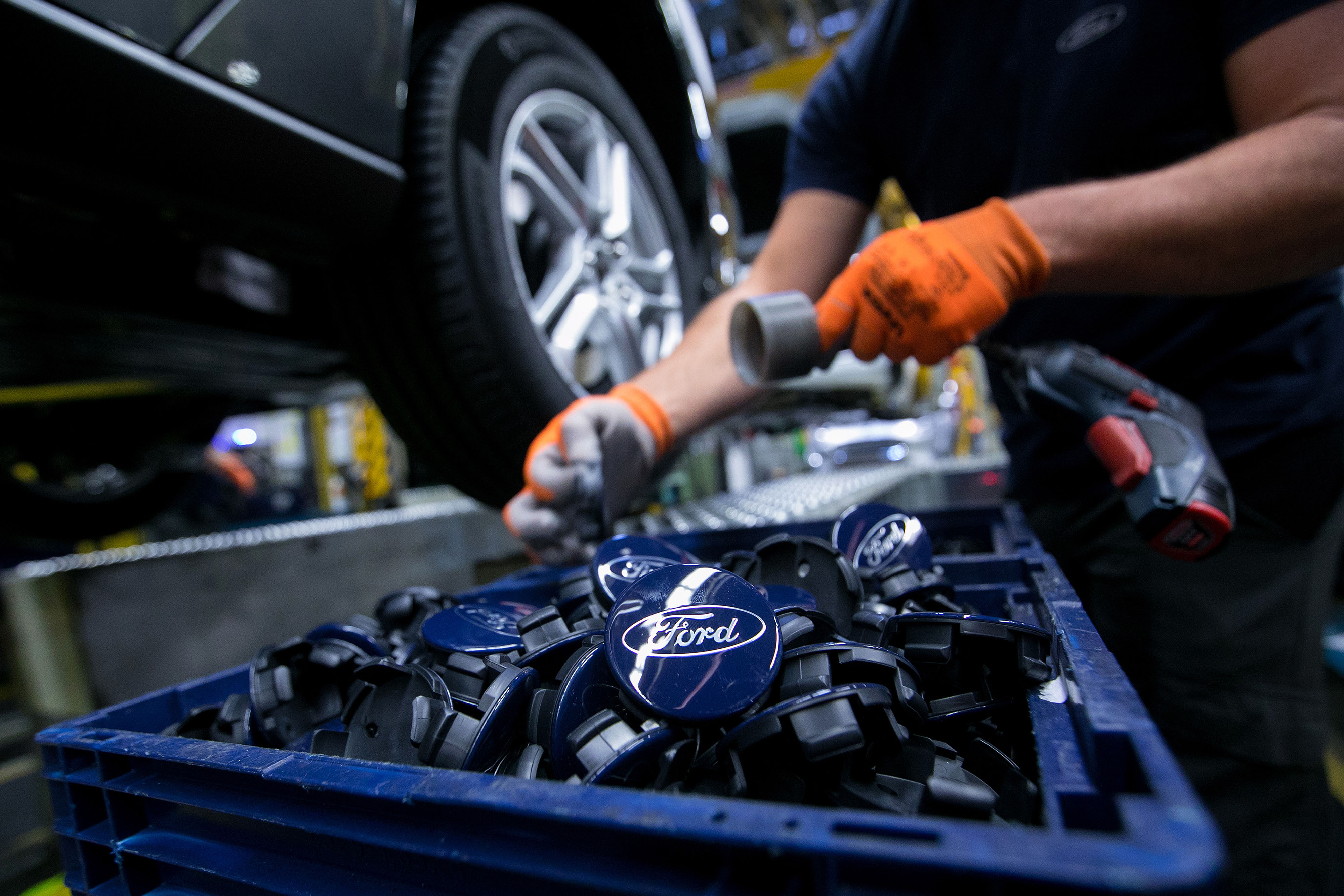
Ford Motor Co. has finally hit upon an electric strategy that shouldn’t lose money. The key element is that it doesn’t involve vehicles — not for now, anyway.
Apollo Global Management Inc. announced last week that it will soon provide daily pricing for its private credit. It may not sound like a big move, but its decision to lift the veil on these assets could be the most impactful development in financial markets and investing in a long time.
State revenues are softening, and rainy day fund capacity has declined for the first time since the Great Recession, he wrote in his second quarter outlook report released Wednesday. The end of pandemic-era stimulus programs, slowing tax collections and rising costs are all adding to the weakness.
To understand the full impact of AI on advisor productivity, it’s important to look beyond speed alone. The more relevant question is whether efficiency gains are creating meaningful breathing room or simply raising expectations and expanding the scope of work.
Advisors may need to amend their wealth management or financial planning strategy, if many of their clients work in the public sector, or are based in geographic locations unevenly impacted by government cuts or mandates.
I’m all about trying to build bridges and fix things, and I am also a realist. I often tell clients there is a right way, and then there is what you can get done within your environment. I’ll always lean toward the second one.
The rules haven't changed. The obligation to capture, retain, and supervise communications is exactly what it was in 2021. What changed was the enforcement spotlight — and firms that have mistaken a quieter SEC for a changed regulatory landscape are building exposure that will surface eventually.
US equity futures pushed higher early Wednesday as traders snapped up technology shares after a pullback in the group, with enthusiasm around strong earnings outweighing a resurgence in inflation.
The nuclear power industry is booming. With electricity demand surging, dozens of nations have set a goal of tripling the world’s capacity by 2050. And the US, which has the biggest fission fleet, is pushing to quadruple output from its reactors.
Alphabet Inc.’s Google introduced a new high-end laptop segment called "Googlebook" that will run Android and prominently showcase Gemini artificial intelligence. Hardware partners Dell Technologies Inc., Lenovo Group Ltd. and HP Inc. will debut models built on the platform in the coming months.
Mamdani called the pied-à-terre tax and the change in the unincorporated business tax credit, which would mostly affect affluent taxpayers, “common-sense measures.” He said the city is working with Albany on plans to administer the second-home levy.
Nvidia Corp. co-founder Jensen Huang joined US President Donald Trump on his visit to China as a last-minute addition, thrusting AI and technology into the spotlight before a high-stakes Beijing summit.
The College for Financial Planning is a degree-granting institution offering various financial certification programs. It provides graduate degree, non-degree and continuing professional education programs for students. Founded in 1972, today it is part of Kaplan Financial and has trained over 165,000 professionals.
Once clients’ taxes are filed, most assume the story is over for another year. For many, filing season ends with relief, frustration, or confusion — a refund that feels arbitrary, a payment that stings, or little clarity about what to do differently next time. That’s where you, as the advisor, can step in.
Setting and working toward a financial goal that represents your own freedom number is well worth doing. I suggest treating that number as a beginning and a continuing journey rather than a destination. Recognize that achieving financial independence alone is no guarantee of happiness and wellbeing.
AI infrastructure costs just keep on rising. Big tech firms are likely to invest several trillion dollars over the next few years to satisfy your ChatGPT and Claude habit.
The nearly $13 trillion market isn’t the flashiest outpost on Wall Street, but it’s the vital plumbing that keeps the money flowing. Through repurchase agreements, or repos, firms exchange Treasuries for cash — typically overnight — providing the short‑term funding that underpins trading, settlement and market‑making across the financial system.
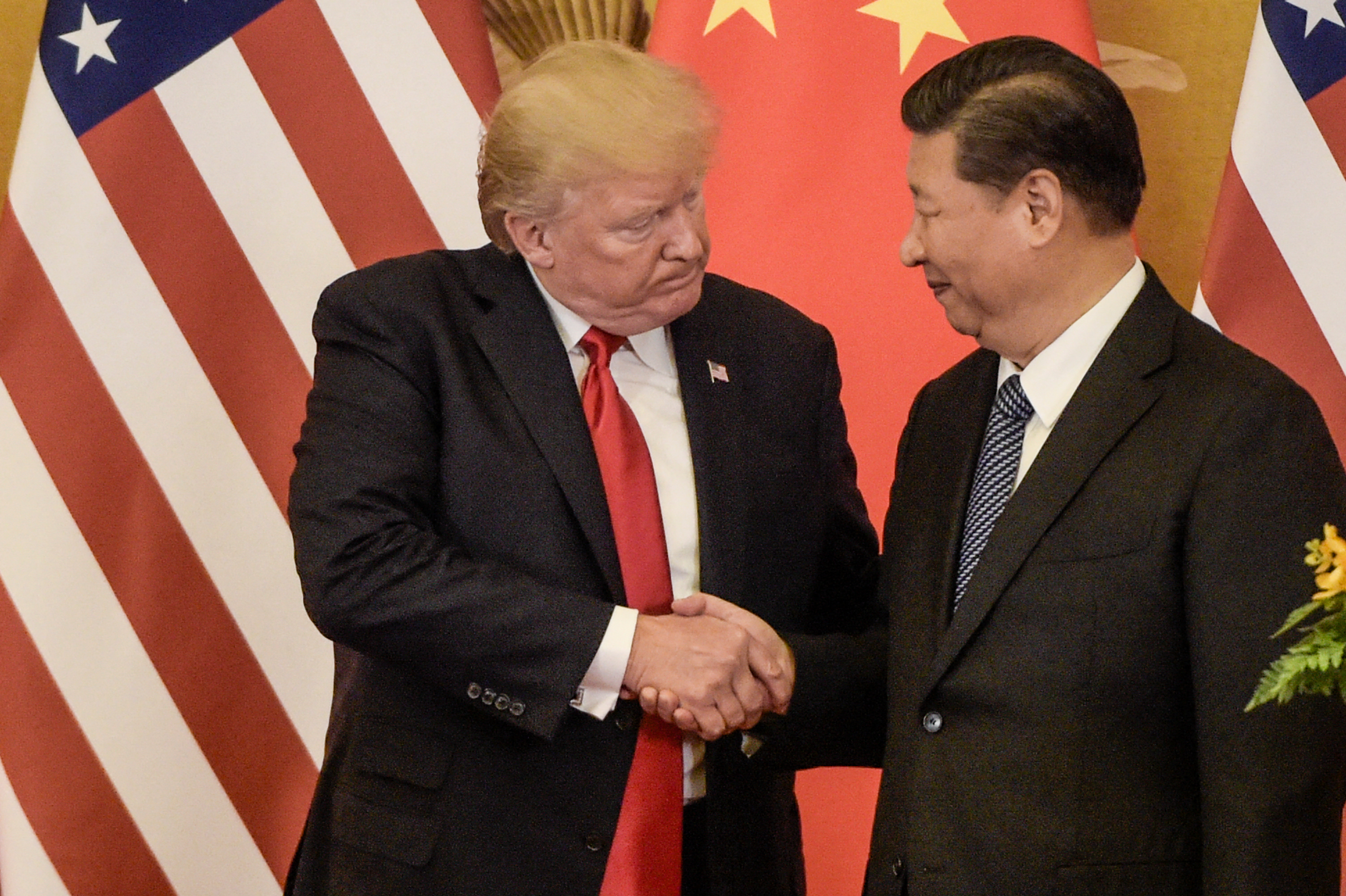
China investors are counting on the summit between Xi Jinping and Donald Trump to deliver just enough to sustain the detente trade underpinning stocks and the yuan.
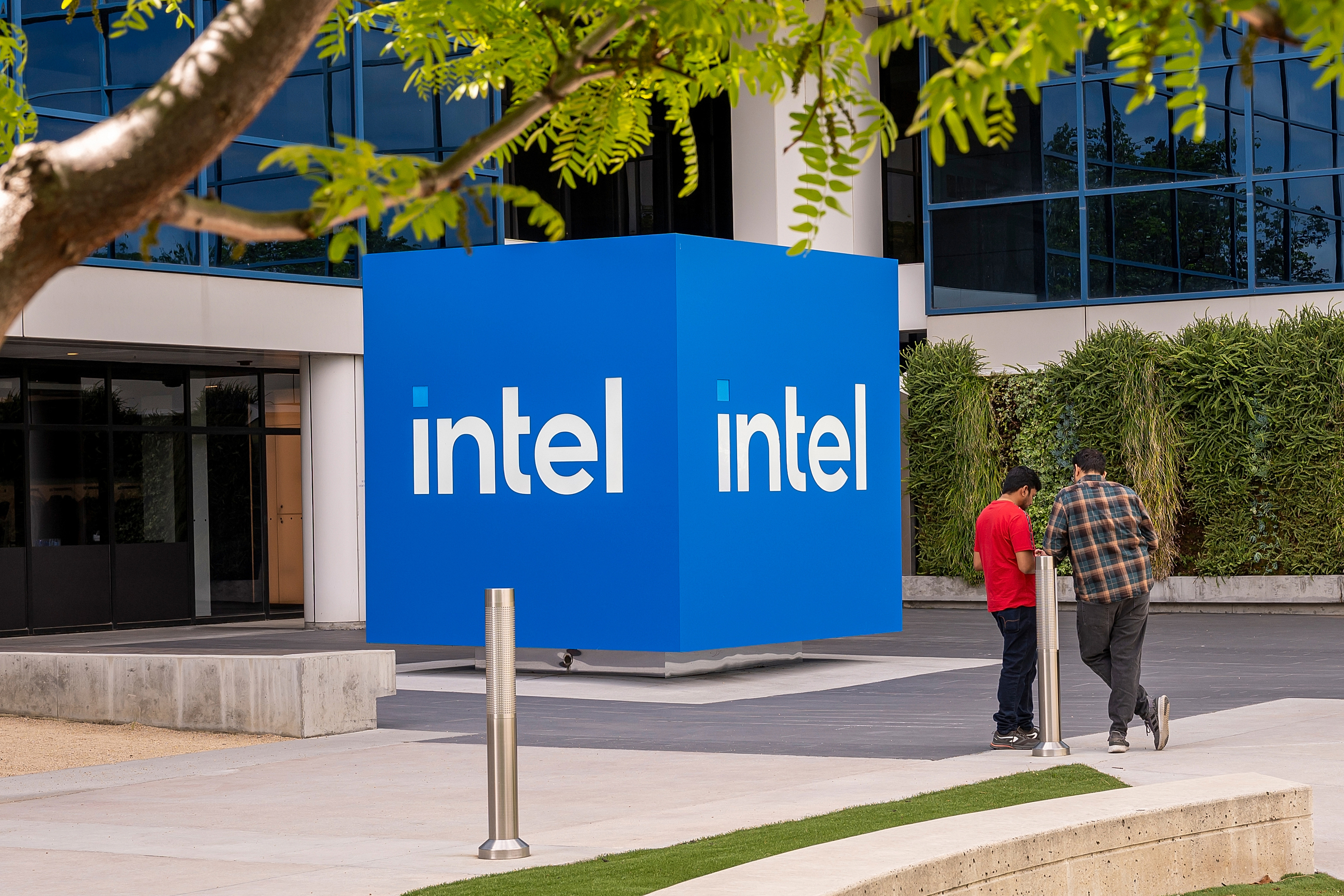
A scorching rally in Intel Corp. shares is threatening huge losses for traders wagering that they’re due to fall. But that isn’t stopping them from placing those bets.
United Airlines Holding Inc. is returning to the municipal bond market with a junk-rated $256 million sale, after last year’s volatility forced it to postpone the deal.
Scalable personalization means saving time while not sacrificing the “secret sauce” that is unique to your practice. Time savings can come from scaling portfolio construction via model portfolios or direct indexing, adding tools or talent to complement strengths, and using technology like AI.
A look at the highlights for the year to date via four charts, including updates about diversification, economic indicators and the national debt.
Rather than worrying about the narrow impact of faster IPO inclusion on index fund performance, we think investors would be better served by focusing on the long-term expected returns offered by the markets in which they’re investing – in particular the U.S. and non-U.S. equity markets.
Gold bugs often claim that when more dollars are in circulation, each dollar buys less; prices rise, and gold, as a store of value, helps protect purchasing power from that decline. As a result, they believe that a rising money supply, in and of itself, is inherently inflationary.
Copper headed toward its highest close ever — and other metals advanced — as traders shrugged off the apparent deadlock between the US and Iran to join a broader rally for risk assets.
Oil rose after US President Donald Trump rejected Iran’s response to his latest peace proposal, prolonging the effective closure of the crucial Strait of Hormu
Retail traders largely sat out a record-setting advance in chip stocks in April. Now they’re diving in just as worries mount that the group’s rally may be losing steam.
Cerebras Systems Inc. increased the size of its initial public offering, now seeking to raise as much as $4.8 billion, as demand for the artificial intelligence chipmaker and data center operator’s shares continues to build
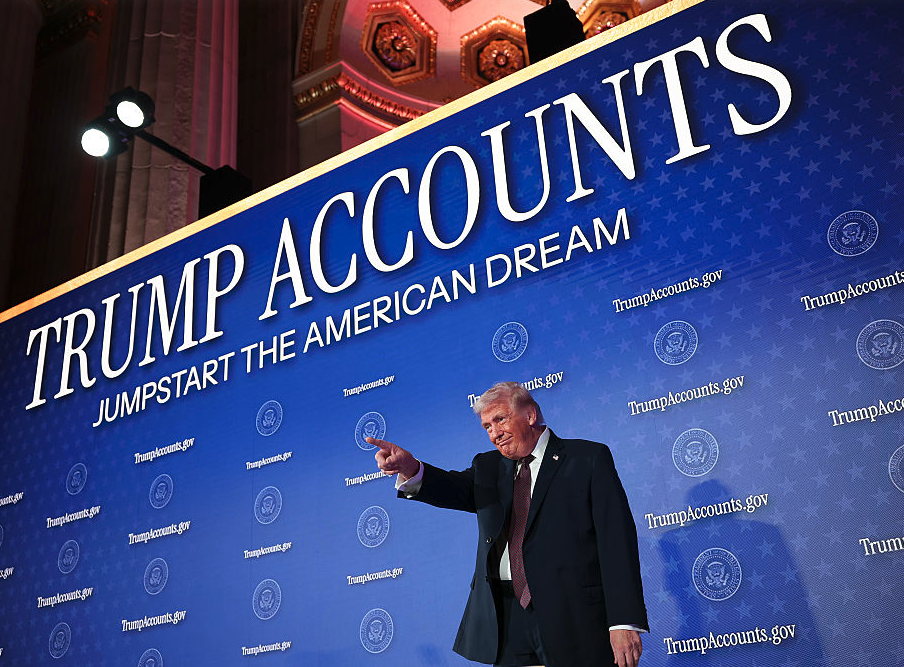
Putting money directly into Trump accounts is fundamentally different: It goes directly to the beneficiaries. Whether it will be more effective at improving prosperity or reducing populist anger is unclear. The public/nonprofit model can be better targeted and address specific societal needs, such as hunger or education.
DoubleLine Capital’s Jeffrey Gundlach is repositioning some of his funds for the extreme scenario that the US government could choose to restructure its debt in response to a potential future recession.
US stocks were on track for a record closing high, buoyed by semiconductor stocks, strong monthly payrolls figures and a US-Iran ceasefire that appeared intact even with overnight clashes near the Strait of Hormuz.