The period from 1956-1966 offers lessons we can apply to today's bull market, regarding technological progress, market fundamentals and more.
Galaxy’s Chris Rhine and State Street’s Matt Bartolini discuss their firms’ recent collaboration on three actively managed ETFs focused on digital assets and disruptive technology. VettaFi’s Roxanna Islam combs through new ETF filings from BattleShares, Cambria, iShares, Canary, and more.
Asset managers in Europe and the US have spent 2024 winding down hundreds of ESG funds, as the investment strategy continues to bump up against regulatory headwinds.
As Steward Health Care Systems LLC’s network of hospitals was struggling, it stopped paying some of its vendors. One of those vendors was a supplier of bereavement boxes, the tiny cases used to transport the remains of newborns who don’t survive.
Imagine if humanity decides it doesn’t have enough amusement parks. All the world’s nations announce they will be financing new ones across the planet. Bankers stand next to models of future parks and hand comically large loan checks to the developers. It’s not nearly enough to end the global amusement-park crisis, but they still win accolades and shareholder approval for doing their part.
This half-day symposium brings the brightest minds in the ETF and mutual fund industry together for panel discussions spanning critical fixed income topics.
The sharp selloff in Treasuries abated on Thursday, with US bonds rallying alongside European peers, after three straight days of declines.
Tesla Inc.’s shares surged after the carmaker reported surprisingly strong earnings and forecast as much as 30% growth in vehicle sales next year.
The tech sector approaches third-quarter earnings season in unusual territory, with investors worried about a slowdown in earnings growth over the last year. Margins loom large.
Volatile interest rates have spurred investment capital into motion. Clients often ask where they should allocate on the yield curve.
The start of a rate-cutting cycle has opened up new questions ― and possibilities ― for stock investors. Tony DeSpirito, Global CIO of BlackRock Fundamental Equities, outlines key areas to watch as the Fed takes action to “recalibrate” interest rates.
In our latest AB Disruptor Series episode, we take a closer look at the implications of a polarized US electorate on the macro and market landscape.
Today’s U.S. markets are highly concentrated, with nearly 70% of the economic profit in the S&P 500 Index generated by the top 10 companies.
If you listen to tech industry leaders, business-sector forecasters, and much of the media, you may believe that recent advances in generative AI will soon bring extraordinary productivity benefits, revolutionizing life as we know it. Yet neither economic theory nor the data support such exuberant forecasts.
The regulatory outlook is a question of direction more than extent.
The U.S. election outcome is anyone’s guess, so let’s try to game out the winners and losers from the candidates’ major policy proposals.
The robotics space has underperformed broader tech recently, leading to investment opportunities as the market underappreciates major tailwinds.
Fixed income experts at Natixis Investment Managers recently weighed in with outlooks on rate cuts and how to approach bonds.
Municipal bonds are an important component in a well-diversified fixed income allocation. We recently caught up with Sylvia Yeh, co-head of municipal fixed income at Goldman Sachs Asset Management, to dive deeper into this unique bond category.
Last year, James Gorman told the In Good Company podcast that now that he had stepped down as CEO of Morgan Stanley, he wanted a board role that was more than an easy paycheck. "I want something that is complicated. I like solving problems,” he said.
It’s inevitable that the market dynamics that have delivered cheaper airfares, used cars and rents in the past year will eventually turn around. One high-profile reminder came from United Airlines’ earnings last week.
US sales of previously owned homes declined to an almost 14-year low in September as prospective buyers waited for a further decline in mortgage rates and more attractive asking prices.
Treasury yields climbed for the third straight day amid growing expectations that the Federal Reserve will lower interest rates at a gradual pace and as traders fretted about the potential inflationary implications of the US presidential election.
Vanguard Group Inc. sees more opportunities in the lowest rung of investment-grade bonds, even as spreads for triple-B notes reached their tightest since 1998 last week.
Determining your client’s risk tolerance is a critical first step in constructing a tailored investment portfolio.
With third quarter GDP being reported next Wednesday – less than a week before election day – the US is still not in recession.
Tighter fiscal policy in Europe and China may hinder the economic response to easing monetary policy, with a resulting shift in investors' focus.
Senior Investment Strategist Tracey Manzi notes that while the predictive power of the inverted yield curve has waned this cycle, investors shouldn't dismiss the warning signs entirely.
Global oil markets are working through many disruptions.
Recent events, particularly the devastation caused by Hurricanes Helene and Milton in 2024, provide a clear example of why destruction does not create long-term economic prosperity. Despite the short-term boost in economic activity from rebuilding efforts, the broader economic implications are far more detrimental.
The FOMC lowered the Fed Funds rate by 50 basis points at their September meeting. This was the first cut in over four years and the start of what is expected to be a multi-year easing cycle.
Thanks to a variety of structural advantages, including favorable demographic trends, we believe the U.S. remains the most attractive investment environment in the world.
The latest economic data reveals a resilient economy, led by strong retail sales and a surprising drop in jobless claims. Despite some weakness in manufacturing, industrial production, and housing, overall economic strength is reflected in the projected third-quarter real GDP growth, expected to come in at a robust 3%—largely driven by productivity gains. This productivity led rebound is very positive and this confirms that despite tighter monetary conditions, the real economy remains strong.
Explore how AI fuels nuclear investments, drives energy demand, and attracts tech giants to nuclear power.
Advisors recommend having a clear understanding of how giving will align your values – and also be the most tax efficient.
Join the pioneers in the options-based ETF space from NEOS Investments for an educational webcast that explores the key considerations when choosing options strategies.
I often hear my clients talk about the struggles with the next generation and how hard it is to work with them. Here are some of my best tips for how to lead the next generation (or potentially any generation that needs a little boost).
With polls showing Kamala Harris and Donald Trump in a close race, how do the key economic metrics favor each candidate?
In this new economy, your prospect is assessing you, the opposite of the way things should be and used to be. The advisory industry is now officially in a trust recession.
The cautiously optimistic American consumer braces for financial strain as inflation and debt delinquencies are expected to rise.
I have developed a seven-step framework that has been used countless times to assist advisors looking to build a $1 million, 100-days-off practice, as well as help leaders of seven-figure firms scale their success to new heights.
Markets fluctuate for numerous reasons, but investors often focus on just a few, like how a presidential election will impact the markets.
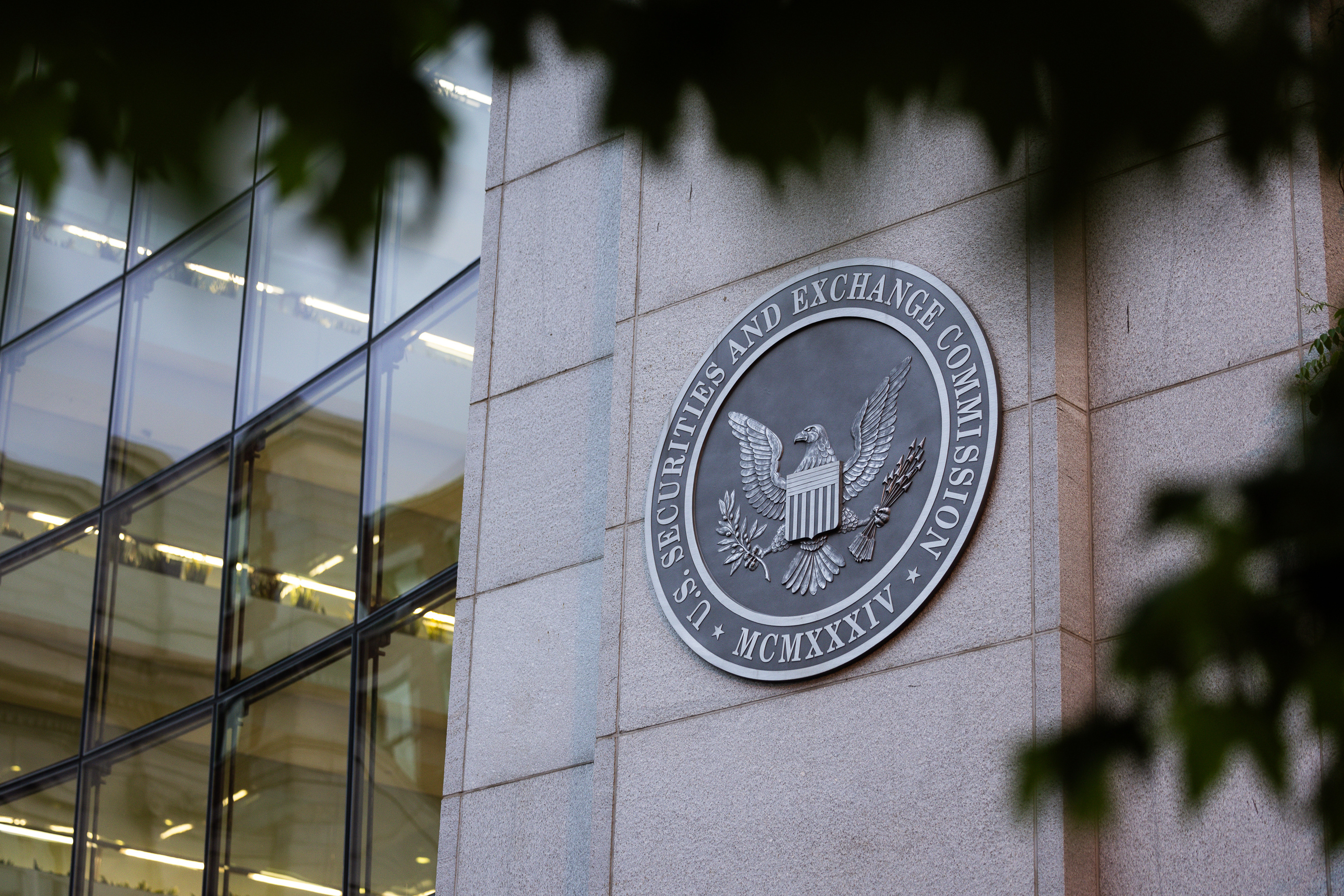
The US Securities and Exchange Commission’s examiners will step up scrutiny of financial firms’ use of artificial intelligence next year, the latest sign of regulators’ growing concerns about the emerging technologies.
Bonds extended losses as investors mulled the prospect of slower US interest-rate cuts, a trend that risks upending debt positions everywhere.
Big Tech is going nuclear in its pursuit of artificial intelligence. Power-hungry datacenters are just one part of a broader freak-out over how the US grid will handle even bigger loads including electric vehicles and re-shored factories, plus withstand extreme weather, all while decarbonizing at a reasonable cost.
Ironically, China’s President Xi Jinping has been cornered into the same uncomfortable spot reserved for high-profile chief executives like JPMorgan Chase & Co.’s Jamie Dimon: Impatient stock investors are brushing aside the intricacies of running complex businesses and demanding simplistic numbers to justify their euphoria.
US stocks are unlikely to sustain their above-average performance of the past decade as investors turn to other assets including bonds for better returns, Goldman Sachs Group Inc. strategists said.
On the latest edition of Market Week in Review, Chief Investment Strategist for North America, Paul Eitelman, discussed the details surrounding China’s latest stimulus announcements. He also reviewed early U.S. third-quarter earnings results as well as the latest U.S. macroeconomic data.
From current data, it is clear there are no signs the U.S. economy is currently facing challenges.
Energy policy decisions today will have long-lasting implications.