We’re back to reading tea leaves! Hooray! Next week the Federal Reserve will have its second meeting since Kevin Warsh officially took the helm. And, at this point, the outcome is far from certain, which is unusual given that ever since Ben Bernanke instituted “forward guidance” the market usually knew what to expect.
AI is changing the investment landscape, but fundamentals still matter, and we remain focused on quality companies with growing free cash flow.
Whenever I speak at investment conferences, I like to point out that we invest in a number of publicly traded airports. I even list them: Spain’s Aena. Aeroports de Paris. Zurich Airport. Airports of Thailand. Two of the world’s largest operators, Grupo Aeroportuario del Sureste and Grupo Aeroportuario del Pacifico, trade in Mexico.
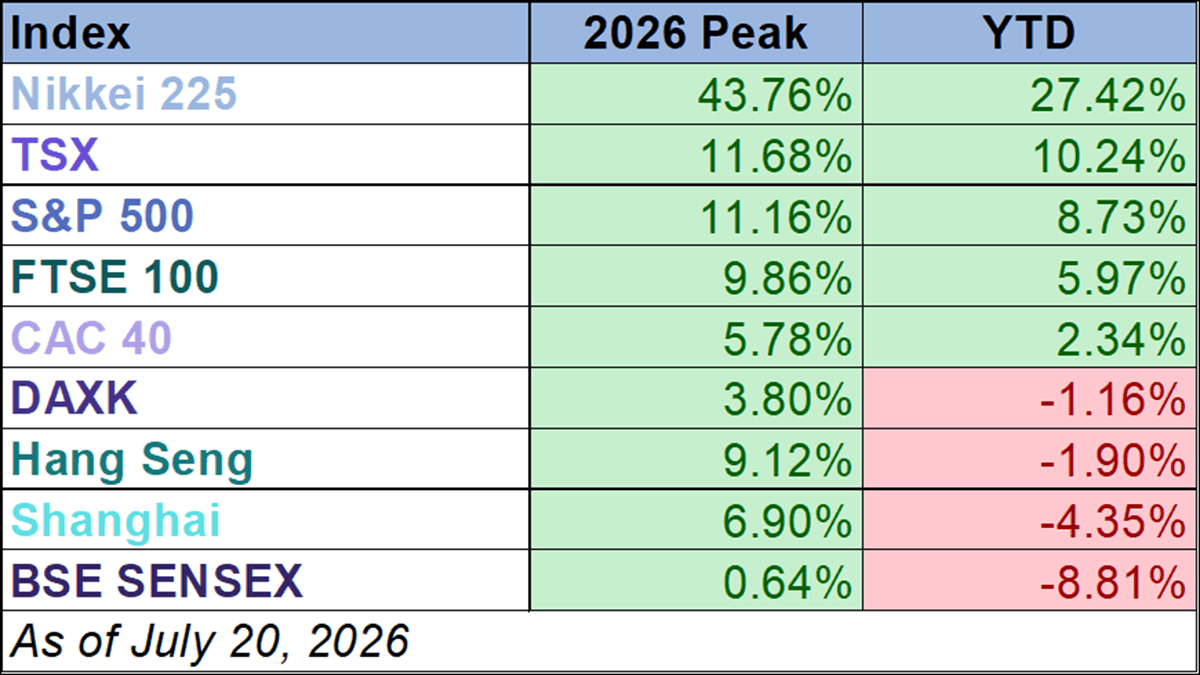
Five of the nine indexes on our world markets watch list posted year-to-date gains through July 20, 2026.
There are several market headwinds that warrant attention, as well as a tailwind that may be large enough to keep the boat moving forward. Fully understanding the headwinds and tailwinds will help you better monitor the market barometer, allowing you to assess and adjust risk levels with more awareness going forward.
A holistic approach to retirement planning involves careful thinking and conversation around investment strategy, tax efficiency, income needs, and estate planning. The goal, of course, is to minimize the drag of taxation on lifetime earnings and wealth accumulation while maintaining both compliance and attention to the client’s priorities and values.
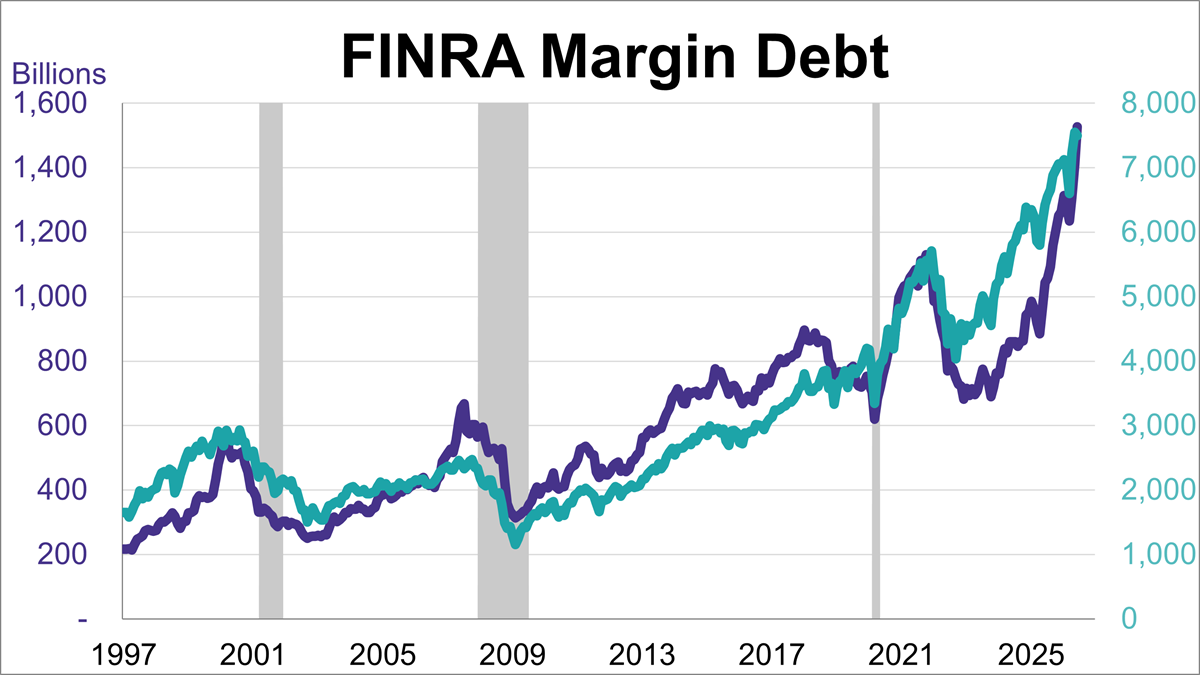
Margin debt rose for a third straight month in June, reaching a new record high of $1.53 trillion. This marked a 7.9% increase from May and a 51.5% rise compared to the previous year.
Bond traders and Federal Reserve Chairman Kevin Warsh are in agreement on a crucial point: The central bank’s fight against inflation still seems far from over.
Whether you admire him or cringe at the mention of his name, US President Donald Trump has long had a penchant for putting his name on things. Once it was condos, steaks and Bibles.
US stocks advanced on Monday, paring last week’s slump, as chipmakers rebounded amid a deluge of earnings reports that will test whether Big Tech’s profits can match high expectations.
Decades of data across global markets reach the same verdict: the more frequently retail traders trade, the worse they perform. The infrastructure has never been more inviting. The losses have never been more documented. Here are some key statistics we will dive into further.
I have been tracking the ETF industry for a long time. I remember when the SPDR S&P 500 ETF Trust (SPY) made history as the very first ETF to hit the $100 billion mark. Since then nearly two dozen have joined SPY.
Markets are embracing the idea that we are in an AI supercycle. Investors are betting on a multi-decade technological shift, similar to the internet, that will transform industries, computing, and infrastructure.
A handful of key economic data points dropped last week, painting a picture of an economy that is successfully downshifting from its recent inflation peaks even as consumers keep their footing.
A record inflow hit the largest US-listed South Korea exchange-traded fund, as investors seeking exposure to SK Hynix Inc. piled into the ETF as a proxy at a time when the chipmaker’s new American depositary receipts trade at a substantial premium to its local shares.
Halfway through the year, the U.S. equity market performance is broadening. That said, market concentration remains incredibly high, while equity and bond correlations sit in positive territory — conditions that scream a call for diversification. Investors are heeding that call, many with alternatives ETFs.
Entering Wednesday, the Russell 2000 and S&P SmallCap 600 indexes were up an average of 20.8% year-to-date, confirming small-cap stocks are back with a vengeance. Arguably overlooked in that scenario, some vibrant ETFs represent higher-quality approaches to smaller stocks.
A country drowning in energy shouldn't also feel like it's running out of electricity. In other words: before we ask whether America can make more things again, we should probably ask whether America can power the production.
On July 15, Direxion launched the Direxion Daily SK Hynix Bull 2X ETF (SKHL), seeking to replicate double the daily performance of the South Korean semiconductor manufacturers Sk Hynix (SKHY). The fund provides leveraged exposure to the world’s leading supplier of high-bandwidth memory chips. It boasts an expense ratio of 97 basis points.
Big Pharma has a $300 billion problem, and biotech developers with promising drugs are becoming the fix. Major drugmakers are spending at a pace not seen since 2019 to replace medicines that will soon lose patent protection.
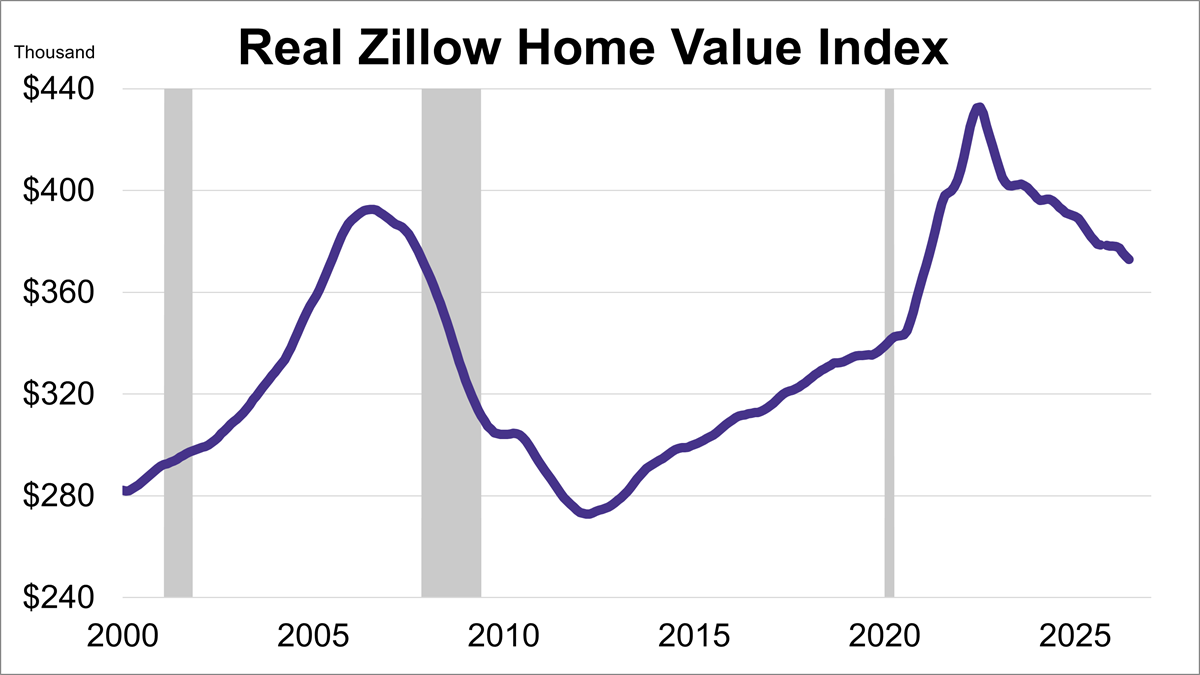
Home values fell for a second straight month in June, according to the Zillow Home Value Index. Additionally, after adjusting for inflation, real home values dropped even more sharply, hitting their lowest level in over five years.
Small-cap stocks remain the cheapest corner of the U.S. market. That’s true even after posting their best first-half performance in more than three decades, according to Morningstar’s Q3 2026 stock market outlook.
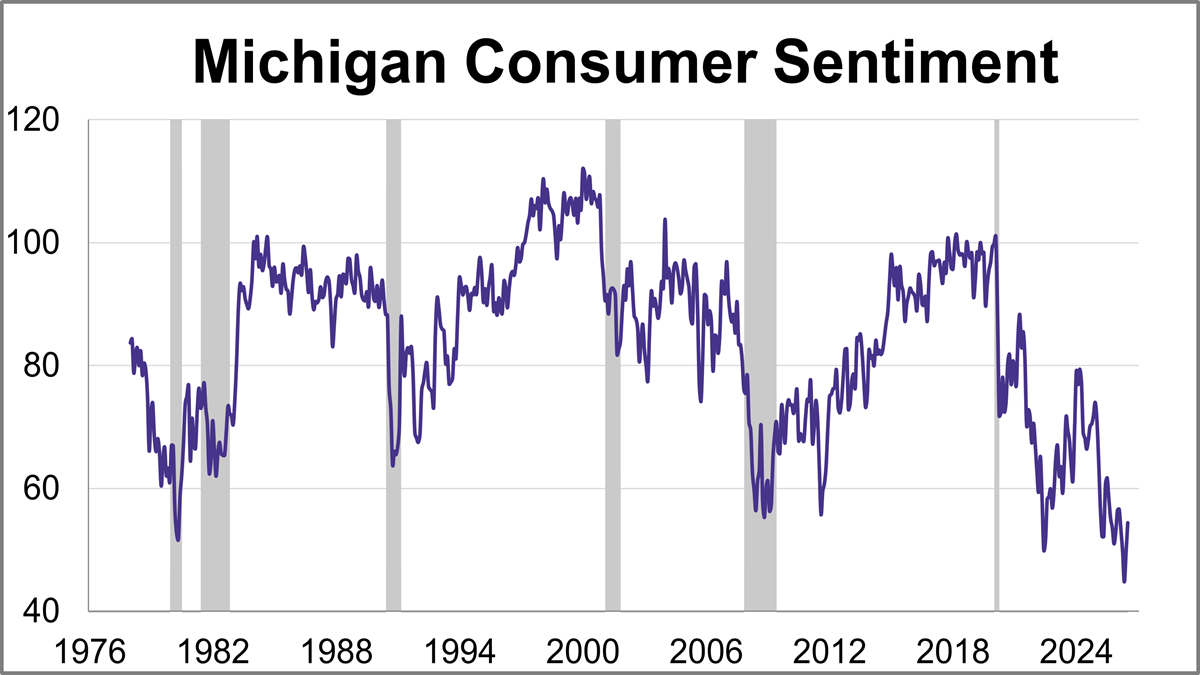
Consumer sentiment reached its highest level since February, driven by easing gas prices. The preliminary July reading for the University of Michigan Consumer Sentiment Index came in at 54.4. This marks a 9.9% (4.9 points) increase from June and beat the expected reading of 51.0.
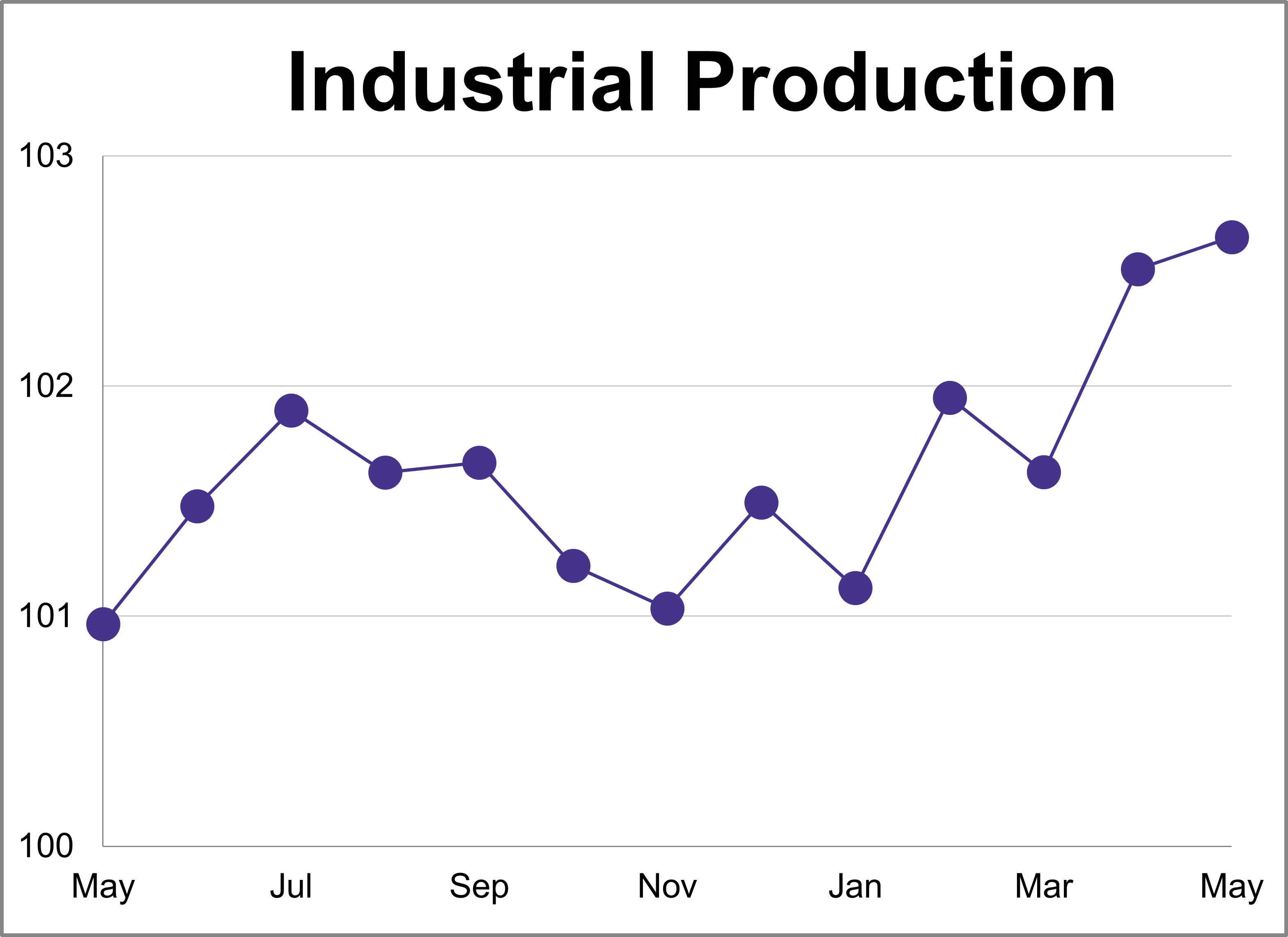
Industrial production rose less than expected in June, increasing 0.1% after May's 0.1% growth. This was lower than the expected 0.2% growth and marks a 1.1% increase compared to one year ago.
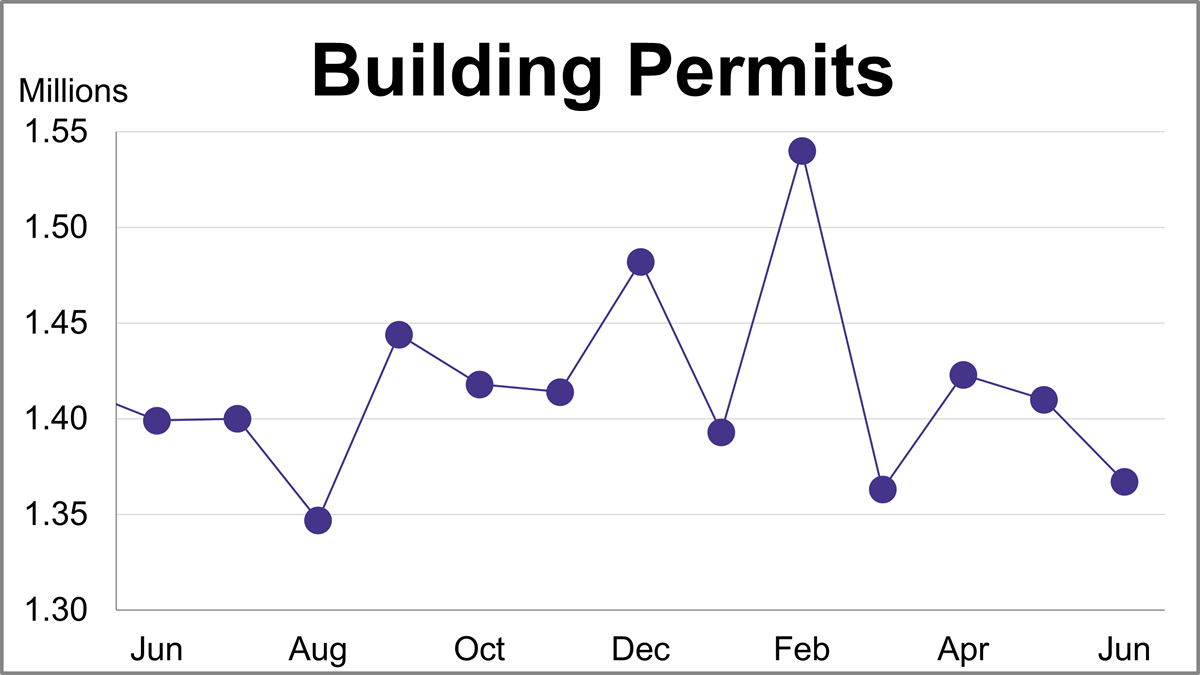
Building permits fell 3.0% in June to a seasonally adjusted annual rate of 1.367 million. The latest reading missed the forecast of 1.400 million.
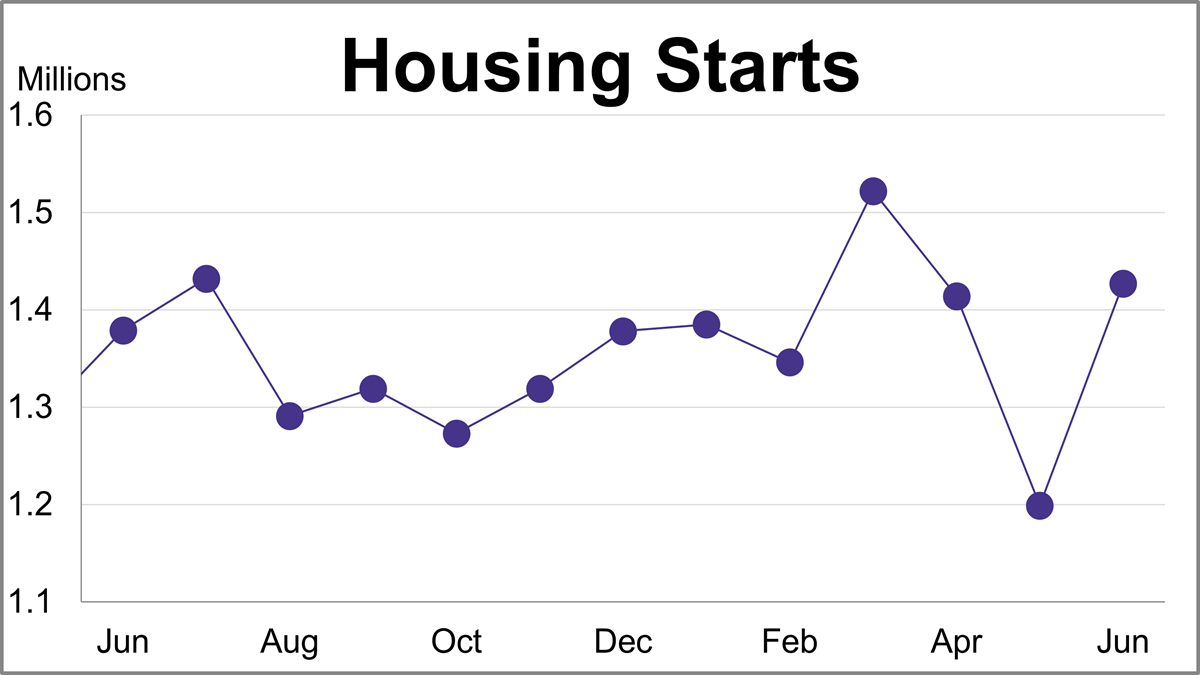
Housing starts jumped 19.0% in June to a seasonally adjusted annual rate of 1.427 million, beating forecasts driven by a massive surge in multi-family units.
David Solomon, decked out in full academic garb, bobbed his head happily and wagged his index finger to the beat of his own AI-generated music.
Private debt is increasingly valued for its potential to help insurers operationally and strategically: support liability matching, improve portfolio design, diversify underlying exposures and, when underwritten well, add resilient excess return.
The rules governing global commodity markets are starting to witness a profound shift, which is putting critical minerals at the forefront of policy. On a recent episode of ETF Guide’s Metals in Motion, Justin Tolman, Senior Portfolio Manager and Economic Geologist at Sprott Asset Management, discussed this dynamic.
Discover the top 10 most-read charts from the first half of 2026, covering historic market valuations, record margin debt, recession indicators, and global index performance.
Netflix Inc. has been one of the worst stocks in the market over the past 12 months as concerns about the video-streaming giant’s plans and prospects refuse to go away. Now, investors worry that its earnings report after the close will confirm those fears.
Nominal retail sales were up 0.22% month-over-month and up 6.72% year-over-year in May. However, after adjusting for inflation, real retail sales were up 0.64% month-over-month and up 3.15% year-over-year.
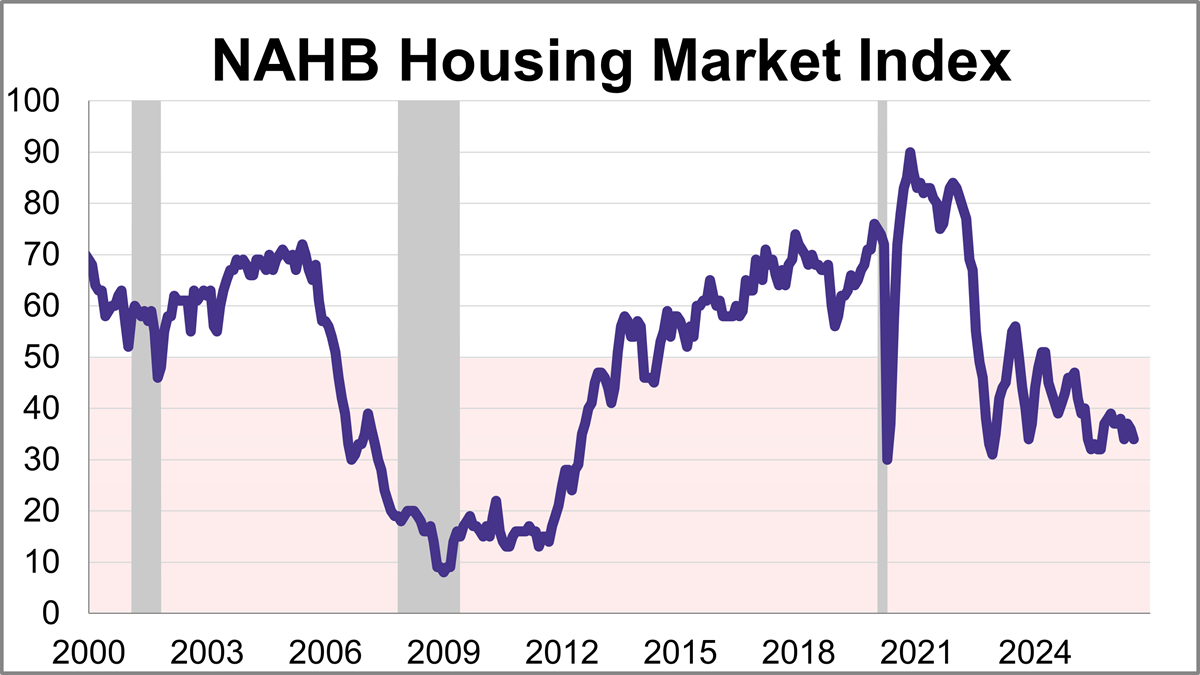
Builder confidence edged lower in July as ongoing affordability challenges continue to affect the housing market. The National Association of Home Builders (NAHB) Housing Market Index (HMI) fell 2 points from June to 34 this month, marking the 27th consecutive negative reading.
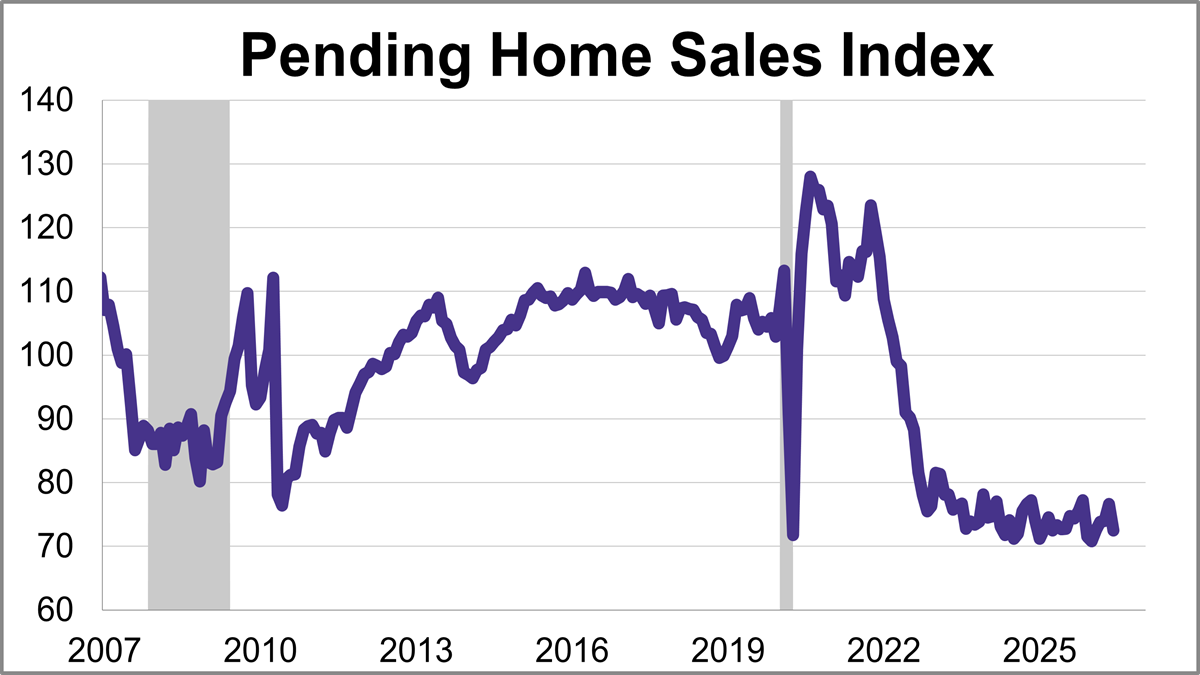
The National Association of Realtors® (NAR) pending home sales index sank 5.4% in June to 72.5, the lowest level since January.
Captain Ahab never caught Moby Dick, but Morgan Stanley shows how tracking billionaire tech whales like Elon Musk can eventually land a fortune. Not long ago, the bank appeared to have shot itself in the foot as lead lender on the disastrous $44 billion buyout of social media platform Twitter, now known as X.
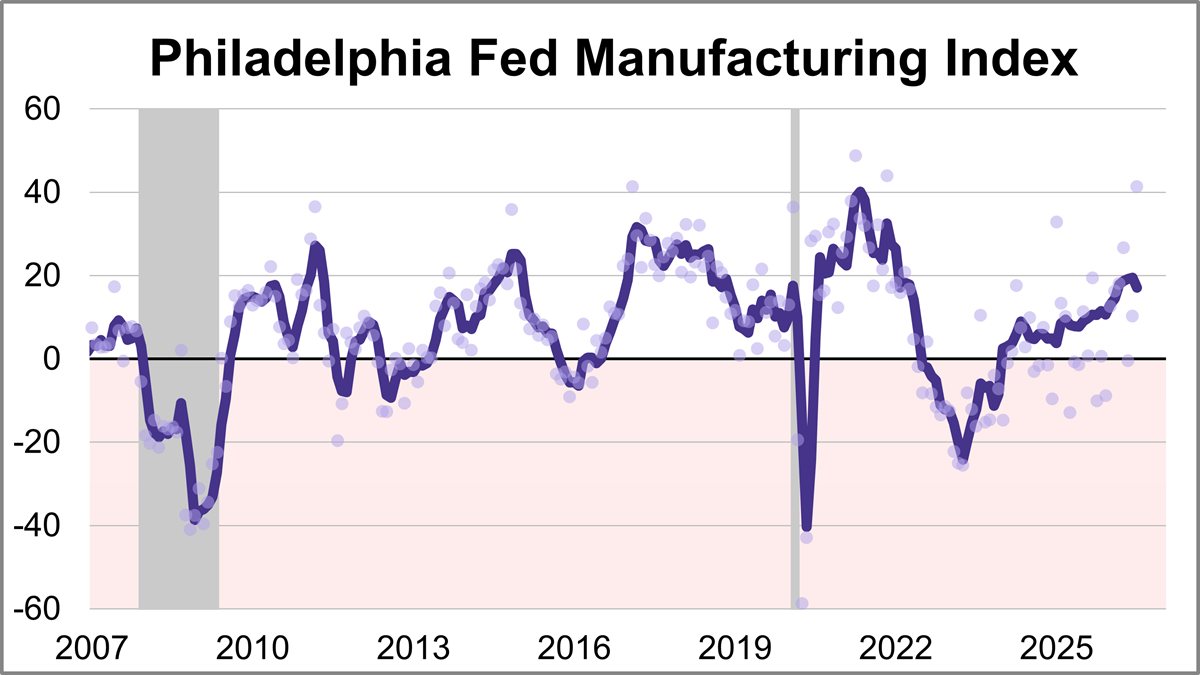
The Philadelphia Fed manufacturing index showed activity expanded significantly in July, with the index jumping 31.1 points to 41.4. This marks the highest level for the index since November 2021 and was more than triple the forecast of 12.7.
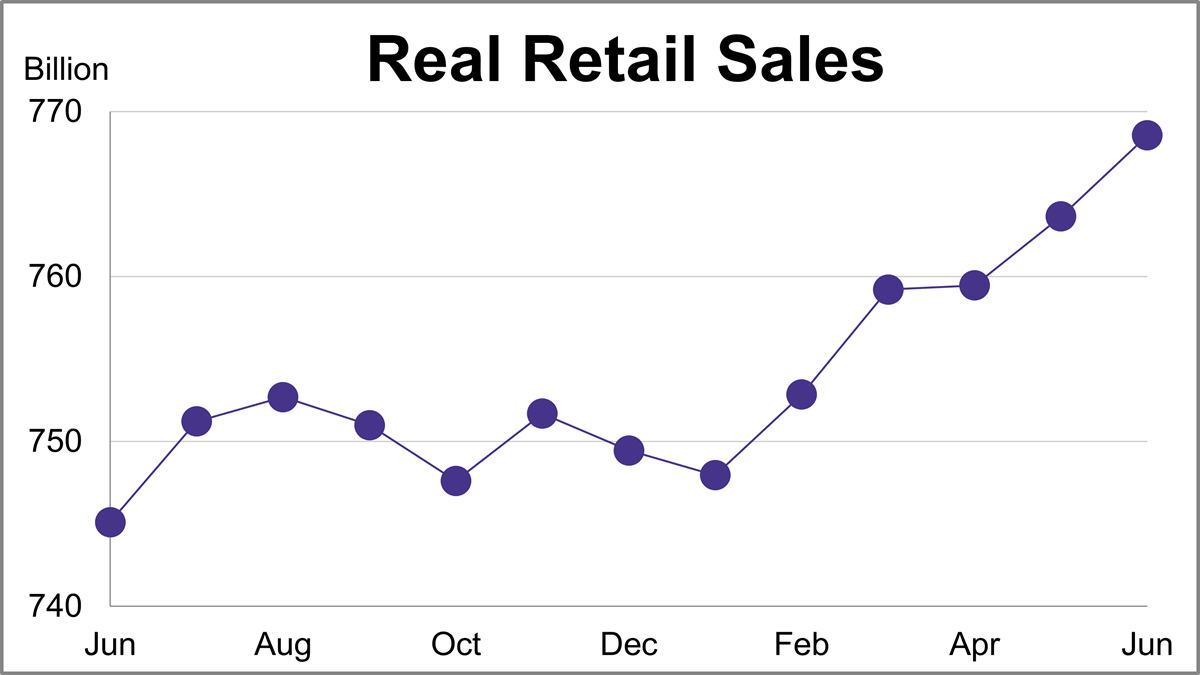
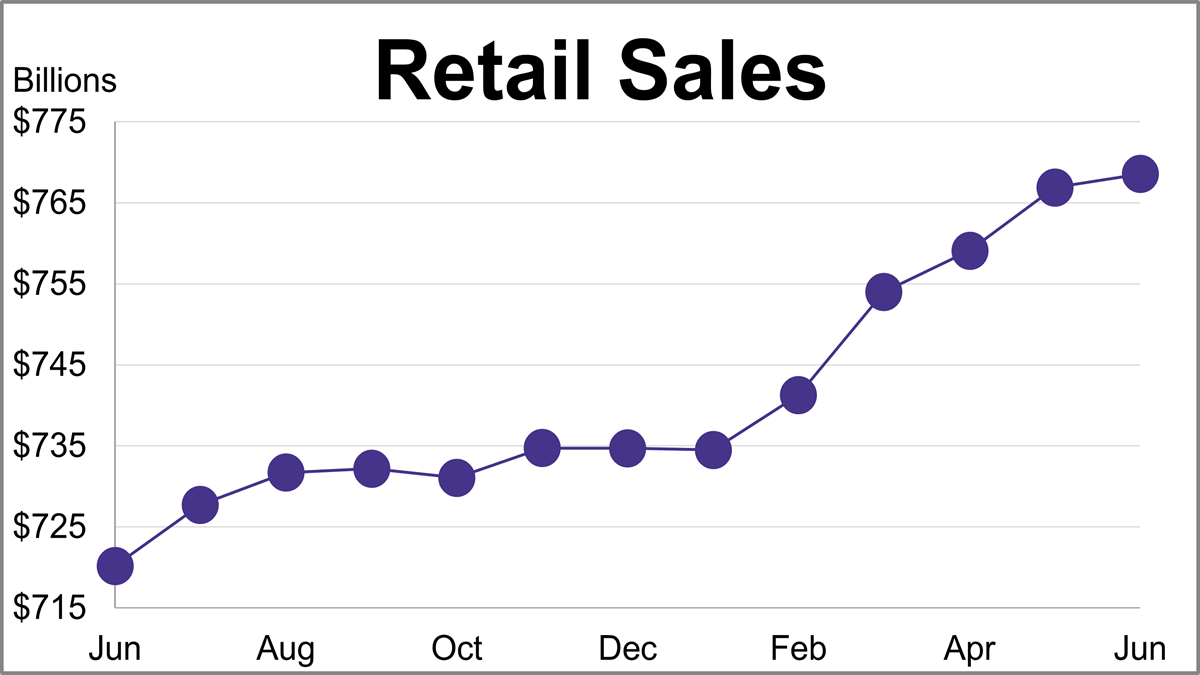
U.S. headline retail sales increased for a fifth straight month, rising 0.2% to $768.6B in June, while core retail sales fell unexpectedly by 0.2%.
Friday, July 10, may have been ordinary for those outside the investment community, but for folks engaged with the market, it marked an opportunity to gain exposure to the second most valuable company in South Korea. On Friday, SK Hynix (SKHY) became available to U.S. investors via the Nasdaq.
For decades, traditional index-based ETFs have served as the low-cost foundational anchor for core allocations, consistently demonstrating that outperforming a broad market index is an uphill battle.
After a difficult start to the year, investor sentiment reached a low point near the end of March as concerns around inflation, geopolitics, and rising interest rates weighed on risk assets.
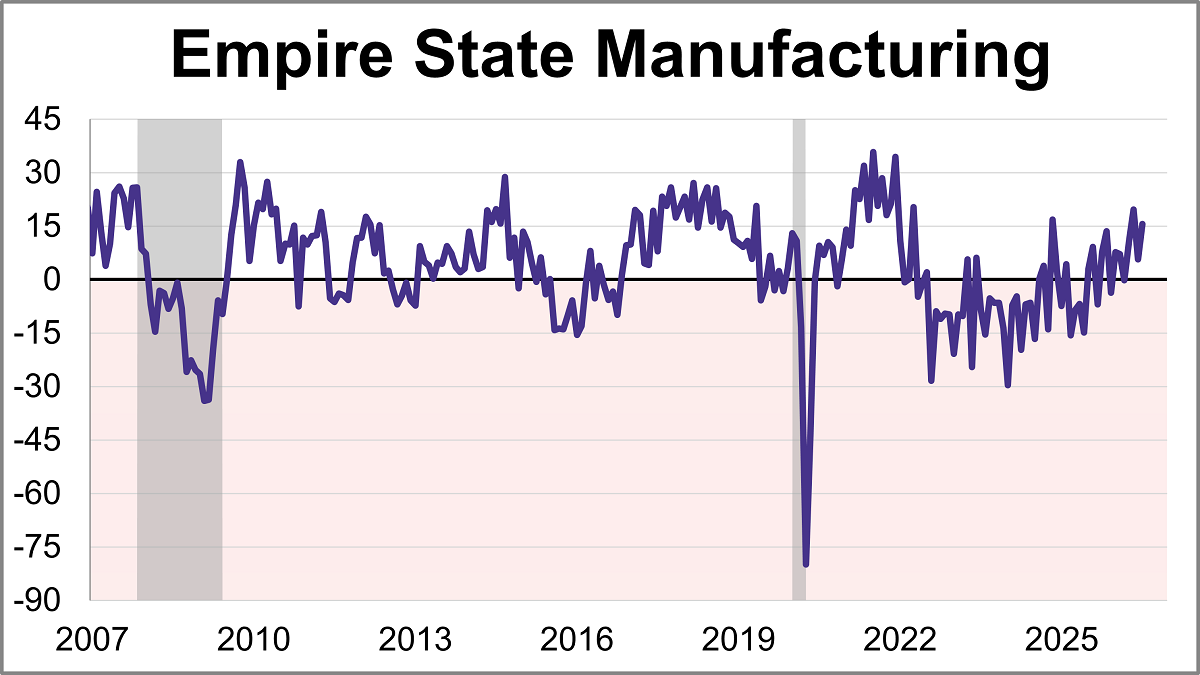
Manufacturing activity grew significantly in New York State, according to the Empire State Manufacturing July survey. The diffusion index for General Business Conditions remained in positive territory for a fourth straight month, jumping 9.9 points to 15.6 and coming in above the 9.3 forecast.
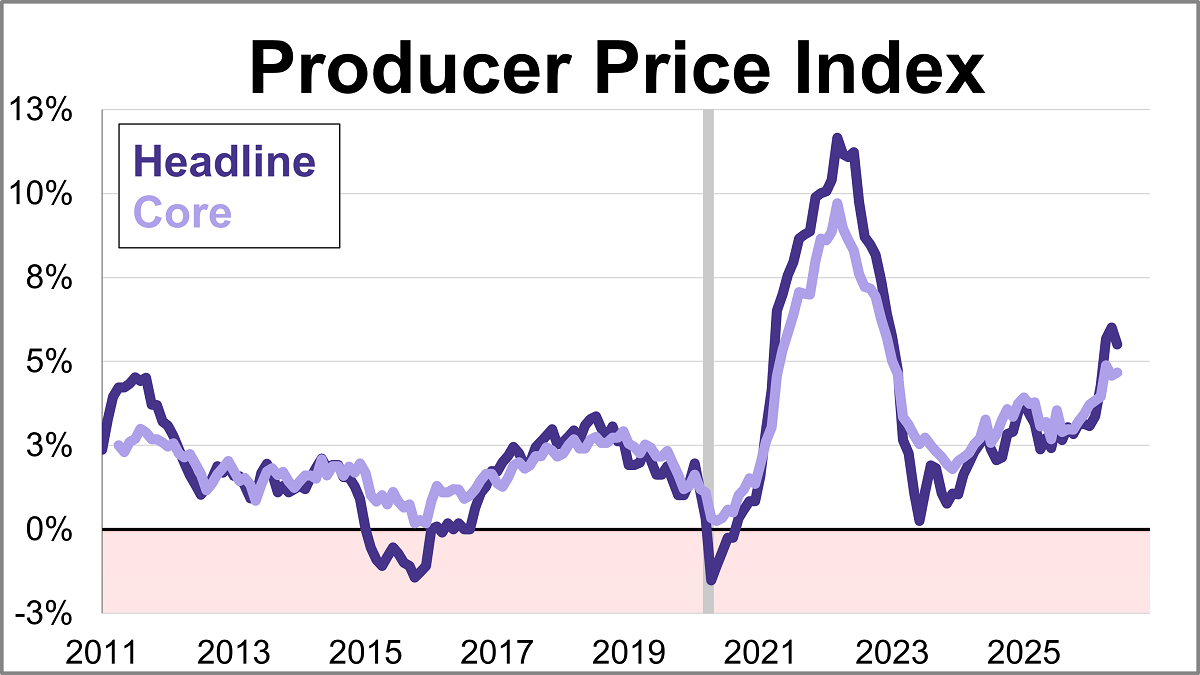
The Producer Price Index (PPI) experienced its largest decline in over a year in June, with wholesale inflation dropping 0.3%.
incoln National Corp. is in advanced talks with Talcott Financial Group for a reinsurance deal that would shift billions of dollars of life insurance reserves off its balance sheet, according to people familiar with the deliberations.
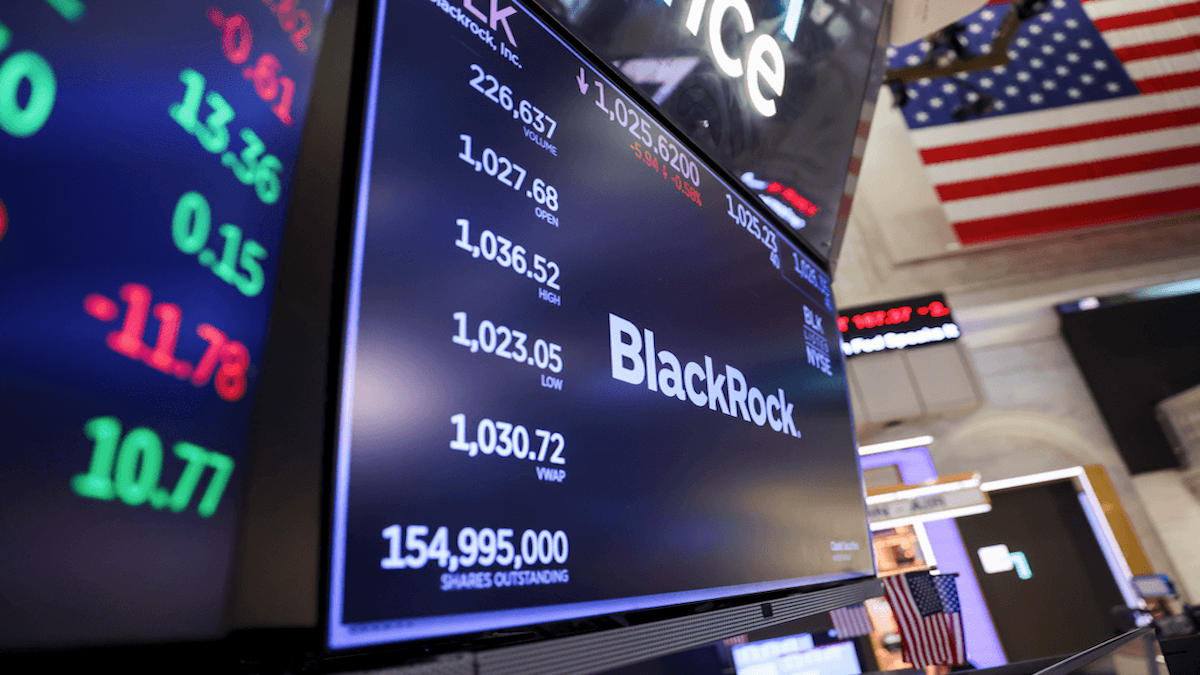
BlackRock Inc. pulled in $192 billion of net client cash in the second quarter, with investors pouring money into exchange-traded funds and pushing total assets above $15 trillion for the first time.
In the span of just two weeks, Meta Platforms Inc. has gone from a market afterthought to one of its hottest stocks, as investors finally like what Facebook’s parent is saying about its artificial intelligence plans.
When it comes to space stocks, Elon Musk’s SpaceX (SPCX) is clearly the big kahuna. After all, the company just completed the largest initial public offering (IPO) in history, rapidly joining the $1 trillion-plus market capitalization club in the process. However, the broader space economy extends beyond a single company.
After a wild last 12 months in a technology stock boom – and more recent volatility – the question du jour, in our view, is not whether AI is transformative.
Every major geopolitical crisis has two types of effects: those that occur during the crisis itself and those that remain on a long-term basis, perhaps even permanently. The US-Iran conflict is no exception.
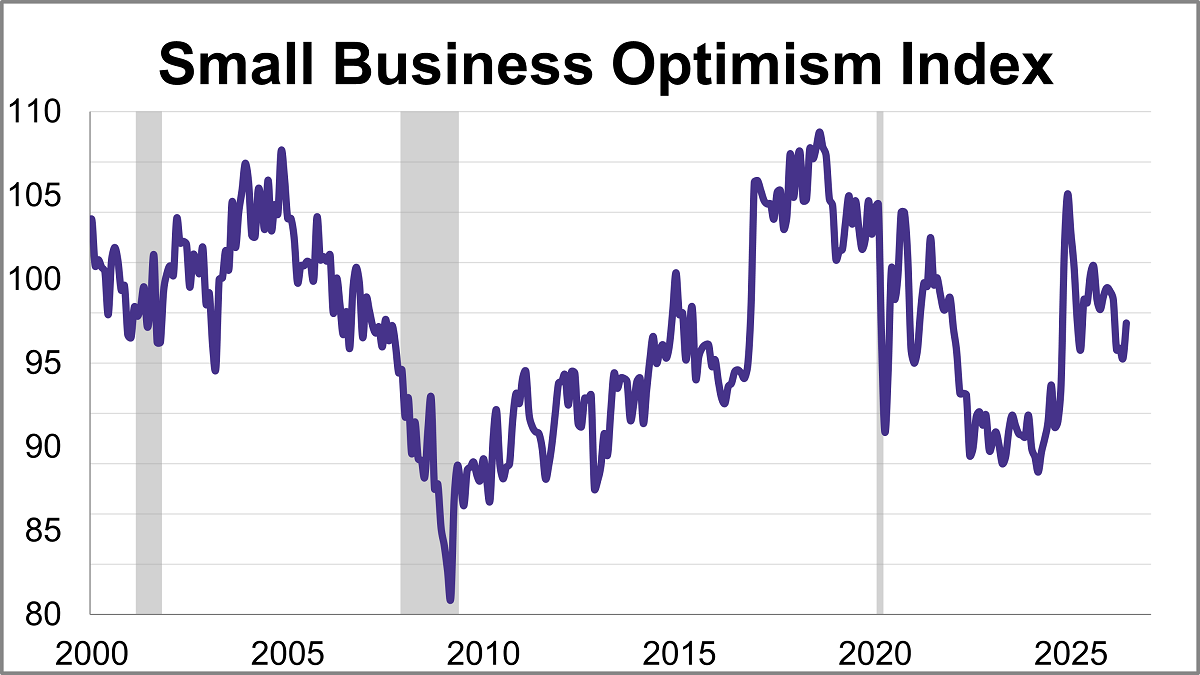
The NFIB Small Business Optimism Index rose 2.1 points to 97.4, reaching its highest level since February. However, the index remains below its historical average for a fourth straight month.
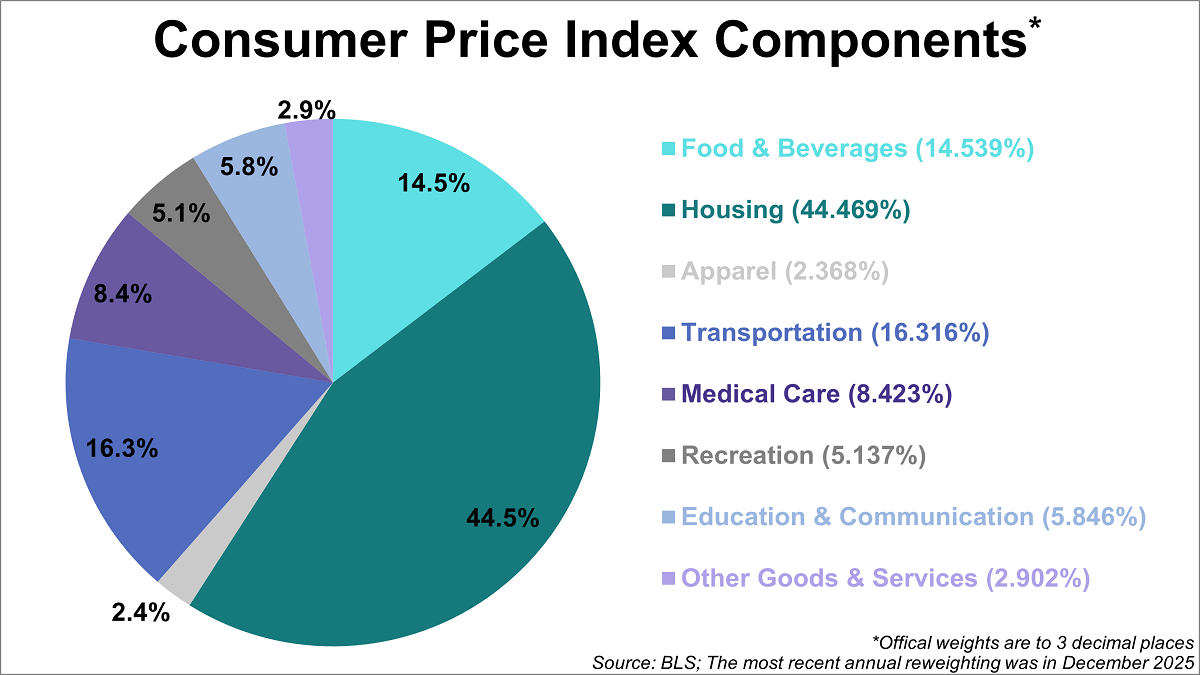
Inflation affects everything from grocery bills to rent, making the Consumer Price Index (CPI) one of the most closely watched economic indicators. The Bureau of Labor Statistics (BLS) tracks this by categorizing spending into eight categories, each weighted by its relative importance.